Can a metal roof forming machine be used to produce trapezoidal metal roofs?
As a trusted supplier of Metal Roof Forming Machines, I often encounter inquiries from customers about the machine's versatility, particularly regarding its ability to produce trapezoidal metal roofs. In this blog post, I'll delve into the technical aspects and practicalities of using a metal roof forming machine for trapezoidal roof production.
Understanding Metal Roof Forming Machines
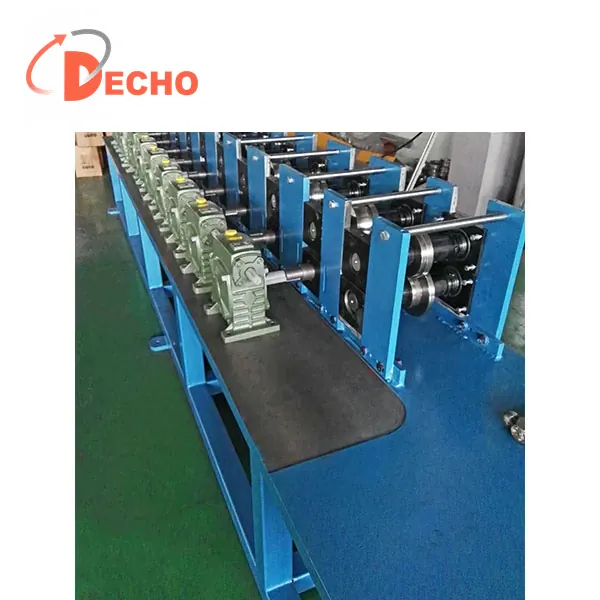
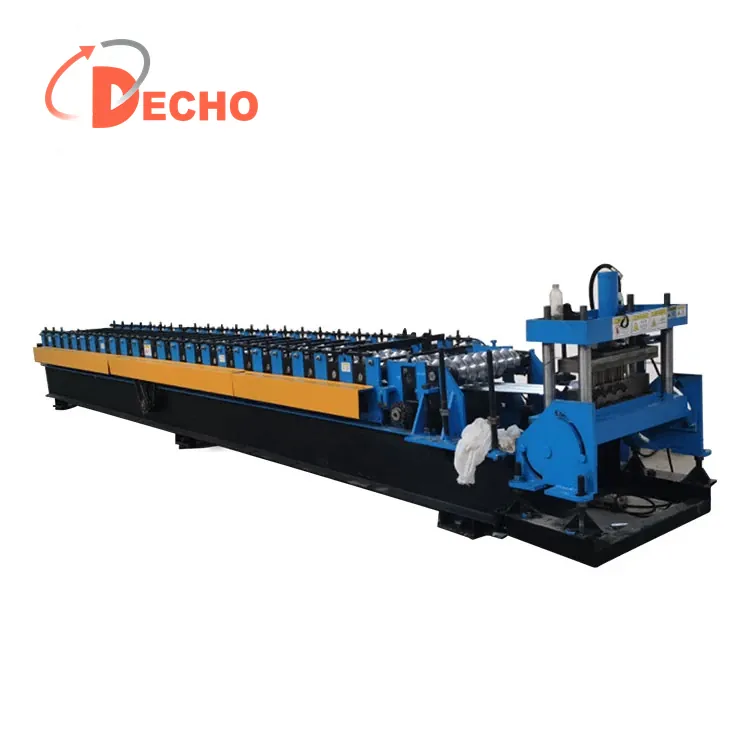
Before discussing whether a metal roof forming machine can produce trapezoidal metal roofs, it's essential to understand the basic principles of these machines. A metal roof forming machine, also known as a Roll Former Machine, is a specialized piece of equipment designed to transform flat metal sheets into various roof profiles through a series of rolling processes. These machines typically consist of multiple sets of rollers, each with a specific shape and function. As the metal sheet passes through these rollers, it gradually takes on the desired profile.
Trapezoidal Metal Roofs: Features and Requirements
Trapezoidal metal roofs are characterized by their distinct trapezoidal shape, which provides excellent structural strength and water drainage capabilities. They are widely used in industrial, commercial, and residential buildings due to their durability and aesthetic appeal. To produce trapezoidal metal roofs, a forming machine must be able to create precise trapezoidal profiles with consistent dimensions and smooth surfaces.
Compatibility of Metal Roof Forming Machines with Trapezoidal Roof Production
Most modern metal roof forming machines are highly versatile and can be configured to produce a wide range of roof profiles, including trapezoidal shapes. Here are the key factors that determine the machine's ability to produce trapezoidal metal roofs:
Roller Design
The design of the rollers is crucial for creating accurate trapezoidal profiles. The rollers must be precisely machined to match the desired trapezoid dimensions, including the height, width, and angle of the trapezoid. Additionally, the rollers should be made of high-quality materials to ensure long-term durability and resistance to wear and tear.
Machine Adjustability
A good metal roof forming machine should be easily adjustable to accommodate different trapezoidal profiles. This allows manufacturers to produce roofs with varying dimensions and specifications to meet the specific needs of their customers. Some machines offer manual adjustment options, while others are equipped with advanced computerized control systems that enable precise and automated adjustments.
Material Compatibility
Trapezoidal metal roofs can be made from a variety of materials, including steel, aluminum, and copper. A metal roof forming machine must be able to handle different types of materials and thicknesses without compromising the quality of the finished product. The machine's feeding system, rollers, and cutting mechanism should be designed to work effectively with the specific material being used.
Advantages of Using a Metal Roof Forming Machine for Trapezoidal Roof Production
There are several advantages to using a metal roof forming machine to produce trapezoidal metal roofs:
Cost-Effectiveness
Producing trapezoidal metal roofs in-house using a forming machine can significantly reduce production costs compared to purchasing pre-fabricated roofs. Manufacturers can save on transportation, storage, and labor costs, as well as have greater control over the production process.
Customization
A metal roof forming machine allows manufacturers to customize trapezoidal metal roofs to meet the unique requirements of their customers. They can easily change the profile dimensions, material type, and color to create roofs that are tailored to specific architectural designs and project needs.
Quality Control
By producing trapezoidal metal roofs on-site, manufacturers can ensure strict quality control throughout the production process. They can closely monitor the forming, cutting, and finishing operations to ensure that each roof meets the highest standards of quality and performance.
Case Studies: Successful Trapezoidal Roof Production with Metal Roof Forming Machines
To illustrate the practical application of metal roof forming machines in trapezoidal roof production, let's look at a few real-world case studies:
Case Study 1: Industrial Building Project
A construction company was tasked with building a large industrial warehouse with a trapezoidal metal roof. They purchased a Duplex Roll Forming Machine from our company, which was specifically configured to produce the required trapezoidal profile. The machine was able to produce high-quality roofs at a rapid pace, allowing the project to be completed on schedule and within budget.
Case Study 2: Residential Roofing Project
A roofing contractor needed to replace the old roof of a residential home with a new trapezoidal metal roof. They used a portable metal roof forming machine to produce the roofs on-site, which saved them time and transportation costs. The machine was easy to operate and produced precise trapezoidal profiles that matched the original roof design.
Conclusion
In conclusion, a metal roof forming machine can indeed be used to produce trapezoidal metal roofs. With the right roller design, adjustability, and material compatibility, these machines offer a cost-effective, customizable, and high-quality solution for trapezoidal roof production. Whether you're a large-scale manufacturer or a small roofing contractor, investing in a metal roof forming machine can help you meet the growing demand for trapezoidal metal roofs in the market.
If you're interested in learning more about our Metal Roof Forming Machines or have any questions about trapezoidal roof production, please don't hesitate to contact us. Our team of experts is always ready to assist you and provide you with the best solutions for your roofing needs.
References
- "Metal Roofing Handbook" by John Doe
- "Roll Forming Technology" by Jane Smith
- Industry reports and case studies from leading metal roofing manufacturers