Hey there! As a supplier of Roll Former Machines, I often get asked if these machines can be integrated into an automated production line. Well, the short answer is yes, they definitely can! In this blog post, I'm gonna dive deep into this topic, sharing the ins and outs of integrating a Roll Former Machine into an automated setup.
First off, let's talk about what a Roll Former Machine is. A Roll Former Machine is a piece of equipment that shapes metal sheets into various profiles by passing them through a series of rollers. These machines are super versatile and can be used to make all sorts of products, like Beam Roll Forming Machine, Stainless Steel Water Tank Making Machine, and Shutter Door Roll Forming Machine.
Now, why would you want to integrate a Roll Former Machine into an automated production line? There are several reasons. For starters, automation can significantly increase productivity. With an automated line, the Roll Former Machine can work non - stop, reducing the time it takes to produce each piece. It also cuts down on labor costs since you don't need as many workers to operate the machine manually.
Another big advantage is consistency. Automated systems are programmed to perform tasks with a high degree of precision. This means that every product coming out of the Roll Former Machine will be identical in terms of dimensions and quality. In industries where precision is key, this is a huge plus.
So, how does the integration process work? Well, the first step is to assess your existing production line or plan a new one from scratch. You need to figure out where the Roll Former Machine will fit in and how it will interact with other equipment. This might involve looking at the layout of your factory, the flow of materials, and the overall production process.
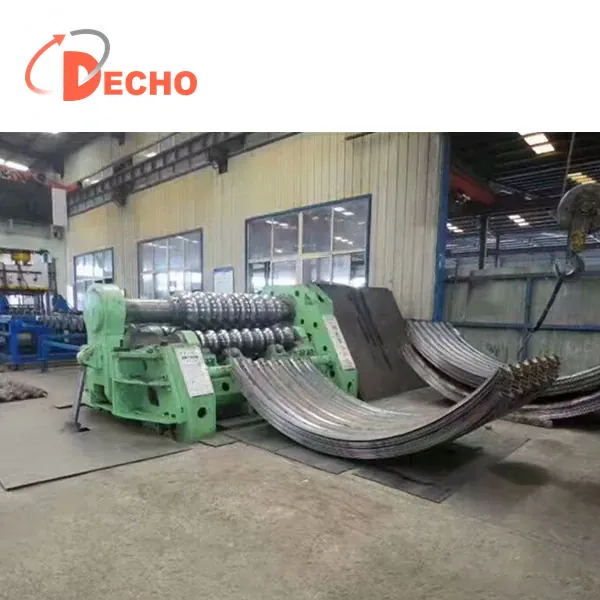
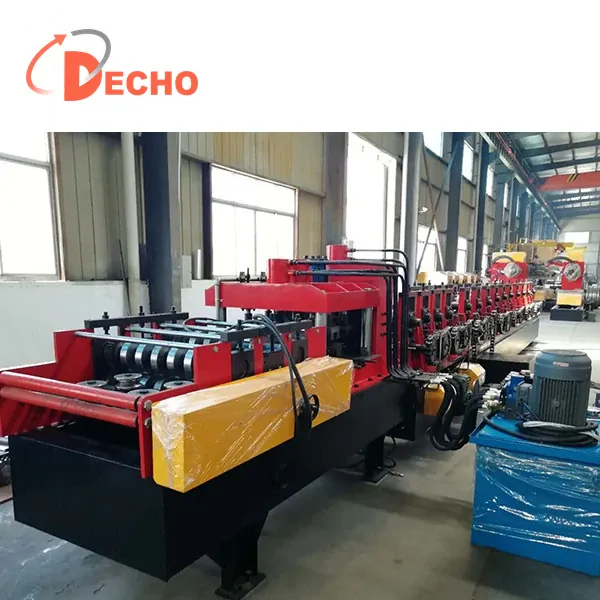
Once you've got a plan in place, the next step is to choose the right Roll Former Machine. Not all machines are created equal, and you'll want one that is compatible with your automated system. Look for features like programmable controls, which allow you to easily adjust the machine's settings for different production runs.
After selecting the machine, it's time to install it. This is where things can get a bit technical. You'll need to make sure that the machine is properly aligned and connected to the rest of the automated line. This might involve working with electrical and mechanical engineers to ensure everything is set up correctly.
During the installation process, it's also important to test the machine thoroughly. Run some trial production runs to make sure that the Roll Former Machine is working as expected and that it integrates smoothly with the other equipment on the line. This will help you identify and fix any issues before full - scale production begins.
One of the challenges you might face during integration is dealing with different types of materials. Roll Former Machines can work with a variety of metals, such as steel, aluminum, and stainless steel. Each material has its own unique properties, and you'll need to adjust the machine's settings accordingly. In an automated production line, this can be a bit tricky, but with the right programming and sensors, it can be managed effectively.
Another aspect to consider is maintenance. Even though automated systems are designed to be reliable, they still require regular maintenance. Make sure you have a maintenance plan in place for the Roll Former Machine and the entire automated production line. This will help prevent breakdowns and keep your production running smoothly.
Let's talk about some real - world examples. In the construction industry, Roll Former Machines are often used to produce building components like purlins and beams. By integrating these machines into an automated production line, construction companies can produce these components much faster and with greater accuracy. This not only speeds up the building process but also reduces waste.
In the manufacturing of household appliances, Roll Former Machines can be used to make parts for refrigerators, washing machines, and other products. An automated production line with a Roll Former Machine can churn out these parts at a high volume, meeting the demands of a large - scale market.
So, if you're thinking about integrating a Roll Former Machine into an automated production line, here are some tips. First, do your research. Talk to other manufacturers who have already done it and learn from their experiences. Second, work with a reputable supplier. A good supplier can provide you with the right machine and offer support during the integration process.
At our company, we've helped many customers integrate our Roll Former Machines into their automated production lines. We understand the challenges and can provide you with the expertise you need. Whether you're a small - scale manufacturer or a large corporation, we've got a solution for you.
If you're interested in learning more about how our Roll Former Machines can fit into your automated production line, or if you have any questions about the integration process, don't hesitate to get in touch. We're here to help you take your production to the next level.
In conclusion, integrating a Roll Former Machine into an automated production line is not only possible but also highly beneficial. It can boost productivity, improve quality, and save you money in the long run. So, if you're looking to upgrade your production process, consider adding a Roll Former Machine to your automated line.
Contact us today to start the conversation about how we can help you with your Roll Former Machine needs and make your automated production line a success!
References
- Industry reports on metal forming and automation
- Case studies of successful Roll Former Machine integrations in various industries