As a supplier of roll former machines, I often get asked whether these machines can be integrated with other production equipment. The short answer is yes! In fact, integrating a roll former machine with other production equipment can bring a whole bunch of benefits to your manufacturing process. Let's dive in and explore this topic in more detail.
Why Integrate a Roll Former Machine?
First off, let's talk about why you'd even want to integrate a roll former machine with other equipment. One of the main reasons is to streamline your production process. By connecting different machines, you can create a more efficient and automated workflow. This means less manual labor, fewer errors, and ultimately, higher productivity.
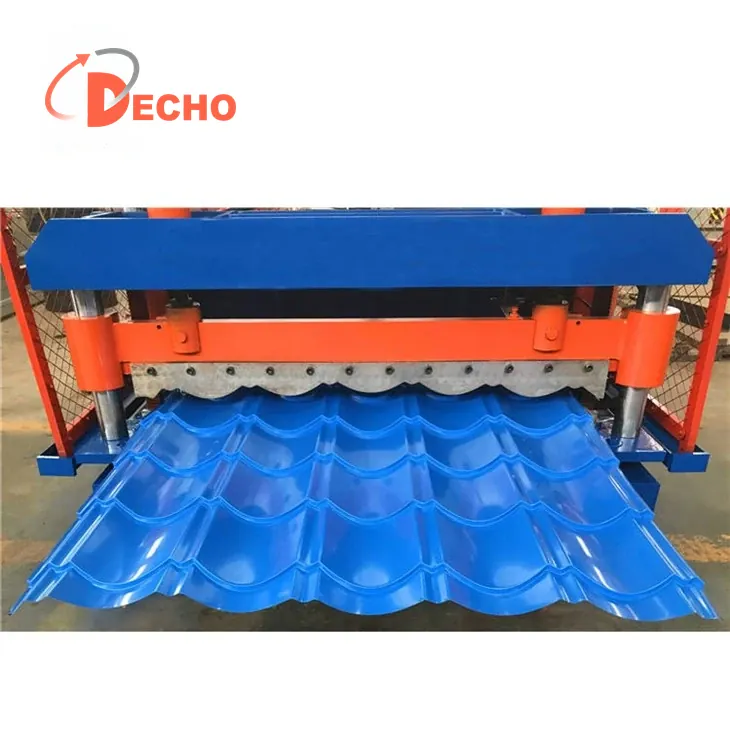
For example, if you're producing metal roofing panels, you can integrate a Roof Tile Roll Forming Machine with a cutting machine and a stacking system. The roll former will shape the metal into the desired tile profile, the cutting machine will cut the panels to the right length, and the stacking system will neatly arrange the finished panels. This way, you can produce high - quality roofing panels in a continuous and efficient manner.
Another benefit is cost - savings. When you integrate your equipment, you can reduce the need for multiple operators. Since the machines work together seamlessly, one person can oversee the entire process. This not only cuts down on labor costs but also minimizes the risk of human error.
Types of Equipment That Can Be Integrated
There are several types of production equipment that can be integrated with a roll former machine.
Cutting Machines
Cutting machines are a common addition to a roll forming setup. After the metal is formed into the desired shape by the roll former, a cutting machine can precisely cut the length of the product. There are different types of cutting machines, such as shear cutters and flying cutters. Shear cutters are suitable for straight cuts, while flying cutters can cut the material while it's still in motion, which is great for continuous production lines.
Punching Machines
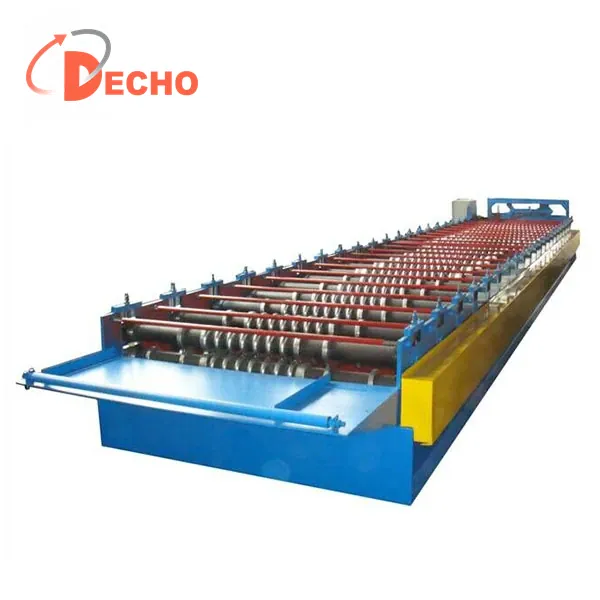
Punching machines can be integrated to add holes or other perforations to the formed metal. For instance, if you're making corrugated sheets for ventilation purposes, you might want to punch holes in them. By integrating a Corrugated Sheet Roll Forming Machine with a punching machine, you can create the corrugated shape and add the necessary holes in one continuous process.
Stacking and Packaging Equipment
Once the products are formed and cut, stacking and packaging equipment can be used to arrange the finished items and prepare them for shipping. This can include robotic arms that stack the products neatly and packaging machines that wrap them in protective materials. This integration ensures that the final products are well - organized and ready for distribution.
Coil Feeding Equipment
Coil feeding equipment is essential for supplying the raw material (metal coils) to the roll former. It can be integrated to ensure a smooth and continuous flow of material. This equipment can handle different coil sizes and weights, and it can be adjusted to match the speed of the roll former.
Challenges of Integration
Of course, integrating a roll former machine with other production equipment isn't without its challenges. One of the main issues is compatibility. Different machines may have different control systems, power requirements, and operating speeds. To overcome this, you need to carefully select equipment that is designed to work together. Many modern machines come with standardized interfaces and communication protocols, which makes integration easier.
Another challenge is maintenance. When you have multiple machines working together, it can be more difficult to troubleshoot problems. You need to have a well - trained maintenance team that can quickly identify and fix any issues that arise. Regular maintenance schedules should also be established to keep all the equipment in good working condition.
Real - World Examples
Let's take a look at some real - world examples of roll former machine integration. A company that produces stainless steel water tanks might integrate a Stainless Steel Water Tank Making Machine with a welding machine and a polishing machine. The roll former will shape the stainless steel sheets into the required tank panels, the welding machine will join the panels together, and the polishing machine will give the tanks a smooth and shiny finish. This integrated setup allows the company to produce high - quality water tanks efficiently.
In the automotive industry, roll former machines are integrated with various stamping and assembly equipment. The roll former can create the tubular or sheet metal components, which are then stamped and assembled with other parts to form car body components. This integration enables the automotive manufacturers to produce complex parts with high precision and at a large scale.
How to Get Started with Integration
If you're interested in integrating your roll former machine with other production equipment, the first step is to assess your production needs. Determine what types of products you want to make, the production volume, and the quality requirements. Based on this, you can select the appropriate equipment.
It's also a good idea to work with a supplier who has experience in equipment integration. As a roll former machine supplier, I can offer advice on which equipment is best suited for your specific needs and how to integrate them effectively. We can also provide installation, training, and after - sales support to ensure that your integrated production line runs smoothly.
Conclusion
In conclusion, a roll former machine can definitely be integrated with other production equipment. The benefits of integration, such as increased productivity, cost - savings, and improved quality, make it a worthwhile investment. While there are challenges to overcome, with the right planning and support, you can create a highly efficient and automated production line.
If you're considering integrating a roll former machine with other equipment for your manufacturing process, don't hesitate to reach out. We're here to help you find the best solutions and get your production up and running at its best. Let's work together to take your manufacturing to the next level!
References
- Manufacturing Automation Handbook
- Metal Forming Technology Journals
- Industry Reports on Production Equipment Integration