Hey there! As a supplier of roll forming machines, I often get asked a bunch of questions about what these machines can and can't do. One question that's popped up more than a few times lately is, "Can a roll forming machine be used to produce profiles with different surface roughnesses?" Well, let's dive right into it and find out.
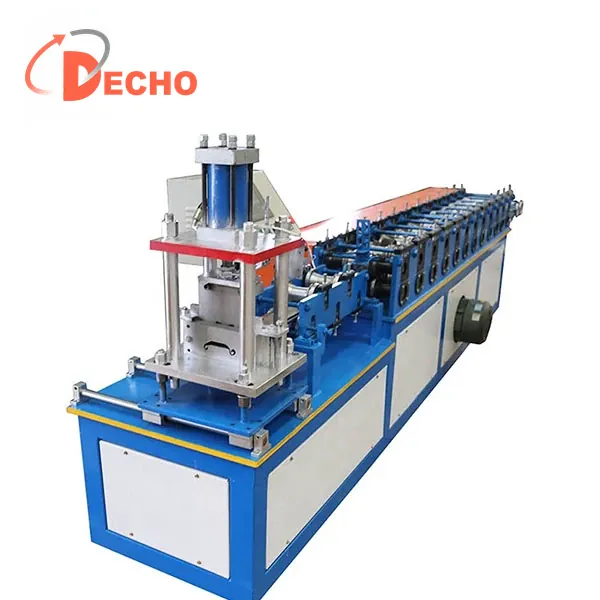
First off, let's talk a bit about what a roll forming machine actually does. In simple terms, a roll forming machine is a piece of equipment that takes a flat strip of metal and bends it into a specific shape by passing it through a series of rollers. These rollers gradually shape the metal until it reaches the desired profile. It's a super efficient way to produce long, continuous lengths of shaped metal, and it's used in a ton of industries, from construction to automotive.
Now, back to the question at hand: surface roughness. Surface roughness is basically how smooth or rough the surface of a metal profile is. It can have a big impact on how the profile looks, how it performs, and even how it interacts with other materials. For example, a smoother surface might be better for a decorative application, while a rougher surface could provide better grip or adhesion.
So, can a roll forming machine produce profiles with different surface roughnesses? The short answer is yes, it can. But there are a few things you need to know.
One of the main ways to control surface roughness in roll forming is through the design and condition of the rollers. The rollers are the parts of the machine that actually come into contact with the metal, so their surface finish plays a huge role in determining the surface finish of the final product. If you want a smoother surface, you can use rollers with a polished finish. These polished rollers will transfer their smoothness to the metal as it passes through, resulting in a profile with a low surface roughness.
On the other hand, if you need a rougher surface, you can use rollers with a textured finish. There are different ways to create a textured finish on the rollers. One common method is to use a special machining process to create small grooves or patterns on the roller surface. When the metal passes over these textured rollers, it picks up the pattern, resulting in a profile with a higher surface roughness.
Another factor that can affect surface roughness is the type of metal being used. Different metals have different inherent surface characteristics, and they can respond differently to the roll forming process. For example, some metals are more prone to scratching or marring during the forming process, which can increase the surface roughness. So, when you're trying to achieve a specific surface roughness, it's important to choose the right type of metal for the job.
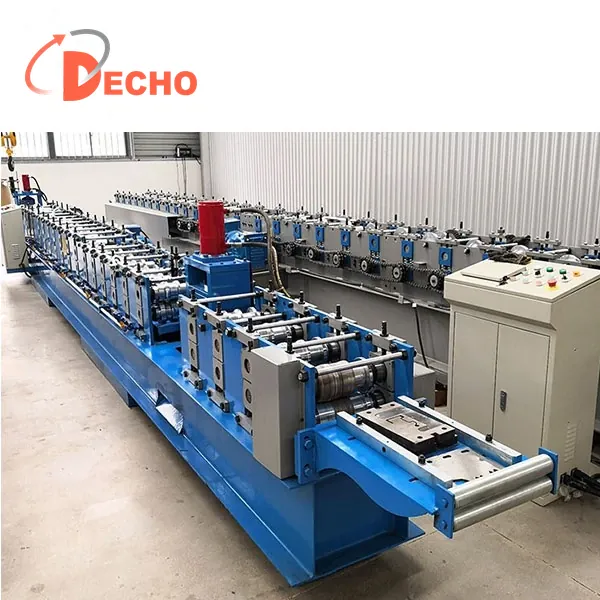
The speed at which the roll forming machine operates can also have an impact on surface roughness. Generally speaking, a slower forming speed allows for more precise control over the shaping process, which can result in a smoother surface. On the other hand, a faster speed might cause more friction and vibration, which could lead to a rougher surface. So, depending on the surface roughness you're aiming for, you might need to adjust the machine speed accordingly.
Let's take a look at some real - world applications where different surface roughnesses are required. In the construction industry, for example, Metal Roof Making Machine are used to produce metal roofing panels. For some roofing applications, a smooth surface might be preferred because it looks more aesthetically pleasing and is easier to clean. However, in other cases, a slightly rougher surface could be beneficial as it can help with water runoff and reduce the risk of standing water on the roof.
In the manufacturing of roller shutter doors, Roller Shutter Door Forming Machine are used. A rougher surface on the door panels might be desirable as it can provide better grip for the rollers and tracks, improving the overall functionality and durability of the door.
And then there's the Duplex Roll Forming Machine. This type of machine is often used to produce more complex profiles. Depending on the application, you might need different surface roughnesses on different parts of the profile. For example, one side of the profile might need to be smooth for a decorative finish, while the other side could be rough for better adhesion to another material.
As a roll forming machine supplier, I've seen firsthand how important it is to be able to produce profiles with different surface roughnesses. That's why we offer a range of options when it comes to roller design and machine customization. We can work with you to understand your specific requirements and tailor the machine to achieve the exact surface roughness you need.
If you're in the market for a roll forming machine and you have specific surface roughness requirements, don't hesitate to reach out. We're here to help you find the right solution for your business. Whether you're a small - scale manufacturer or a large industrial operation, we have the expertise and the equipment to meet your needs.
In conclusion, roll forming machines are incredibly versatile and can definitely be used to produce profiles with different surface roughnesses. By carefully considering factors like roller design, metal type, and machine speed, you can achieve the perfect surface finish for your application. So, if you're looking to produce high - quality metal profiles with specific surface characteristics, give us a shout, and let's start a conversation about how we can help you.
References
- "Roll Forming Technology Handbook" by the Roll Forming Association
- "Metal Forming Processes and Die Design" by Kalpakjian and Schmid