Can a roll forming machine produce products with different lengths? That's a question I get asked a lot as a roll forming machine supplier. And the short answer is yes, it can! In this blog post, I'm gonna break down how roll forming machines work, why they're super flexible when it comes to product lengths, and some of the factors you need to consider.
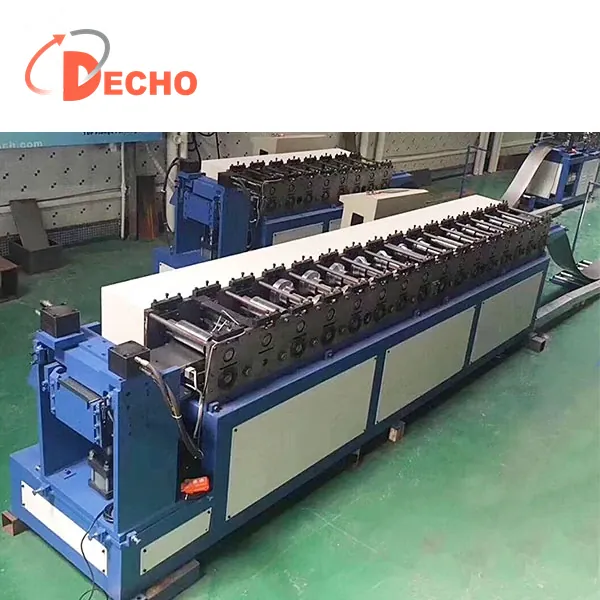
First off, let's talk about what a roll forming machine actually does. A roll forming machine takes a flat strip of metal, like steel or aluminum, and passes it through a series of rollers. Each set of rollers gradually bends the metal into the desired shape, whether it's a simple C-channel, a complex roof panel profile, or something else entirely. It's a continuous process, which means the metal keeps moving through the machine until it reaches the end.
So, how can these machines handle different lengths? Well, there are a few key features and techniques that make it possible.
Cut - to - length Mechanisms
One of the most important parts of a roll forming machine when it comes to producing different lengths is the cut - to - length mechanism. This is what actually cuts the formed metal strip into the desired lengths. There are two main types of cut - to - length systems: flying cut - off and stop - shear.
The flying cut - off system is really cool. It cuts the metal while it's still moving through the machine. This allows for very high - speed production and can handle a wide range of lengths with great precision. The machine uses sensors to detect the position of the metal and a cutting tool that moves in sync with the metal's speed to make the cut.
On the other hand, the stop - shear system stops the metal strip before making the cut. It's a bit slower than the flying cut - off, but it can still be very accurate. This system is often used for shorter production runs or when very precise cuts are needed.
Programmable Controls
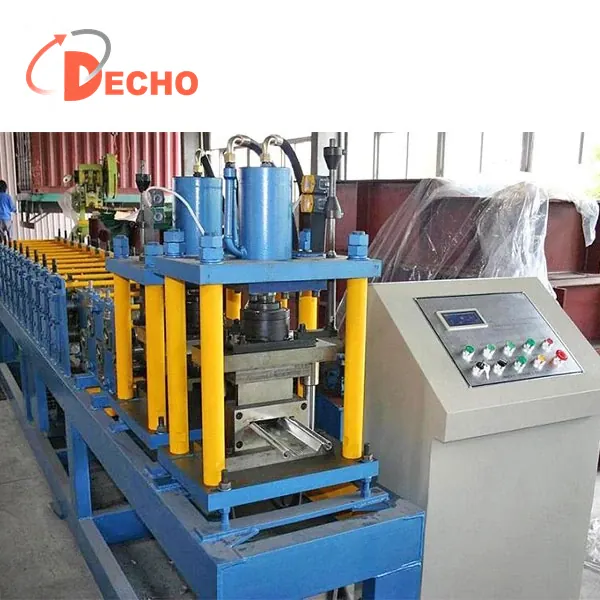
Most modern roll forming machines come with programmable controls. These controls allow you to set the exact length of the products you want to produce. You can input different lengths into the machine's computer system, and it will automatically adjust the cut - to - length mechanism accordingly. This means you can switch between different lengths quickly and easily, without having to make a lot of manual adjustments.
For example, let's say you're making metal roofing panels. You might need some panels that are 8 feet long and others that are 10 feet long. With a programmable roll forming machine, you can simply enter these lengths into the control panel, and the machine will produce the panels with the correct lengths one after another.
Flexibility in Production
The ability to produce products of different lengths gives roll forming machines a huge advantage in many industries. Take the construction industry, for instance. Builders often need metal components like purlins, door frames, and roofing panels in various lengths to fit different building designs. A roll forming machine can easily accommodate these different requirements.
If you're interested in specific types of roll forming machines, we have some great options. Check out our Roller Shutter Door Machine, which is designed to produce high - quality roller shutter doors in different lengths. Our Portable Roll Forming Machine is perfect for on - site production, allowing you to create metal products with different lengths right at the construction site. And our Door Frame Making Machine can make door frames in various sizes to meet your needs.
Factors to Consider
While roll forming machines can produce products with different lengths, there are a few factors you need to keep in mind.
Material Thickness
The thickness of the metal you're using can affect the machine's ability to produce different lengths accurately. Thicker materials may require more force to cut, which could impact the precision of the cut - to - length mechanism. You'll need to make sure your machine is rated to handle the thickness of the material you're working with.
Production Speed
If you're producing products in a wide range of lengths, it can affect the overall production speed. Changing between lengths often may require the machine to slow down or stop briefly to adjust the cut - to - length settings. You'll need to find a balance between the variety of lengths you need and the speed of production.
Tooling
The tooling used in the roll forming machine can also play a role. Some tooling may be more suitable for certain lengths or profiles. You may need to invest in different sets of tooling if you want to produce a wide variety of products with different lengths.
Conclusion
In conclusion, roll forming machines are incredibly versatile and can definitely produce products with different lengths. Thanks to features like cut - to - length mechanisms, programmable controls, and flexible production capabilities, these machines can meet the diverse needs of many industries. Whether you're in construction, manufacturing, or any other field that requires metal components of various lengths, a roll forming machine is a great investment.
If you're interested in learning more about our roll forming machines or have any questions about producing products with different lengths, don't hesitate to reach out. We're here to help you find the right machine for your specific needs and guide you through the purchasing process. Let's start a conversation and see how we can work together to meet your production goals!
References
- "Roll Forming Technology Handbook" by the Fabricators & Manufacturers Association, International.
- Industry research reports on metal forming machinery.