Can a steel roll forming machine produce complex shapes?
As a seasoned supplier of steel roll forming machines, I've encountered numerous inquiries from clients curious about the machine's capabilities, especially when it comes to producing complex shapes. In this blog post, I'll delve into this topic, exploring the potential of steel roll forming machines to create intricate designs and how they can meet the diverse needs of various industries.
Understanding Steel Roll Forming Machines
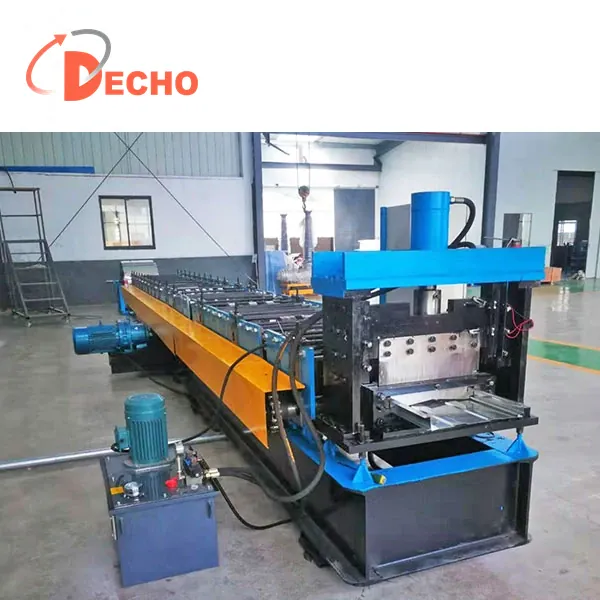
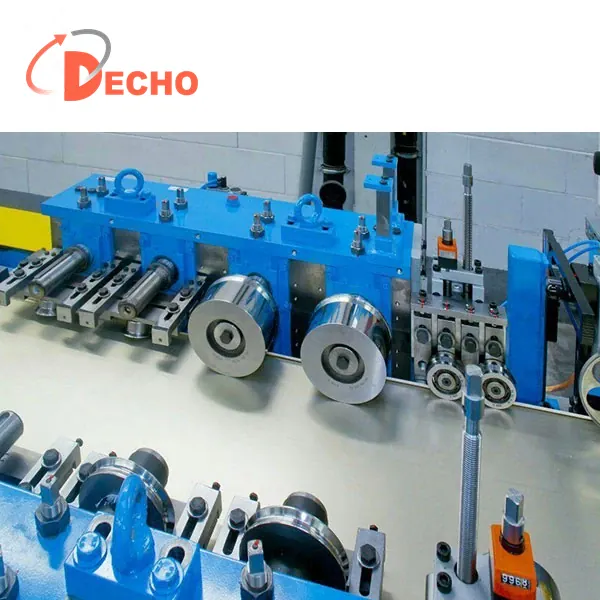
Before we discuss the production of complex shapes, it's essential to understand how steel roll forming machines work. These machines operate by passing a continuous strip of metal through a series of rollers. Each set of rollers gradually shapes the metal into the desired cross - sectional profile. The process is highly efficient and can produce long lengths of formed metal with consistent quality.
The basic principle of roll forming is based on a progressive bending operation. As the metal strip moves through the machine, each set of rollers makes a small, incremental bend. By the time the strip reaches the end of the machine, it has taken on the final shape. This method allows for a high degree of precision and repeatability, making it suitable for mass production.
The Possibility of Producing Complex Shapes
The short answer is yes, a steel roll forming machine can produce complex shapes. However, several factors need to be considered to achieve this successfully.
Design and Tooling
The first and most crucial factor is the design of the tooling. Complex shapes require custom - designed rollers that can precisely manipulate the metal. The design process involves careful planning and engineering to ensure that each bend and contour is accurately replicated. Advanced CAD (Computer - Aided Design) software is often used to create detailed models of the desired shape, which are then translated into the design of the rollers.
For example, if you want to produce a shape with multiple curves and angles, the tooling must be designed to accommodate these features. Each roller in the machine is carefully crafted to make the specific bends required at each stage of the forming process. The precision of the tooling directly impacts the quality of the final product.
Material Properties
The type of steel used also plays a significant role in the production of complex shapes. Different grades of steel have varying levels of ductility, strength, and formability. Some steels are more suitable for complex forming operations because they can withstand the stresses of bending and shaping without cracking or breaking.
For instance, low - carbon steels are generally more ductile and easier to form compared to high - strength steels. When working with complex shapes, it's essential to select a steel grade that matches the requirements of the design. Additionally, the thickness of the steel strip can affect the forming process. Thicker materials may require more force to bend, which can put additional stress on the machine and the tooling.
Machine Capabilities
The capabilities of the roll forming machine itself are another important consideration. Modern roll forming machines are equipped with advanced control systems that allow for precise adjustment of speed, pressure, and other parameters. These features are essential for producing complex shapes, as they enable operators to fine - tune the forming process.
Some high - end roll forming machines also have the ability to perform multiple operations simultaneously, such as punching, notching, and embossing. This allows for the creation of even more complex shapes with additional features integrated into the design.
Examples of Complex Shapes Produced by Roll Forming
There are many industries that rely on steel roll forming machines to produce complex shapes.
Construction Industry
In the construction industry, roll - formed steel is used for a variety of applications, including roofing, wall cladding, and structural components. Complex shapes such as standing seam roofing panels, which have a unique interlocking design, can be produced using roll forming machines. These panels are not only aesthetically pleasing but also provide excellent weather resistance and structural integrity.
The Glazed Tile Making Machine is an example of a specialized roll forming machine that can produce roofing sheets with a glazed finish and complex shapes, adding both functionality and visual appeal to buildings.
Transportation Industry
The transportation industry also benefits from the ability of roll forming machines to produce complex shapes. For example, automotive manufacturers use roll - formed steel components in the construction of car bodies, frames, and other parts. Complex shapes such as door frames and chassis components can be precisely formed to meet the strict safety and performance requirements of the automotive industry.
Security and Protection
Roll - formed steel is also used in the production of security products. The Highway Guardrail Roll Forming Machine can produce guardrails with complex profiles that are designed to absorb impact energy and protect vehicles and passengers on the road. These guardrails often have specific shapes and dimensions that are carefully engineered to meet safety standards.
Architectural Applications
In architecture, roll - formed steel can be used to create unique and complex shapes for decorative and functional purposes. For example, the Rolling Shutter Strip Making Machine can produce strips with complex cross - sections that are used in the construction of rolling shutters. These shutters can be customized to fit different building designs and requirements.
Challenges in Producing Complex Shapes
While it is possible to produce complex shapes with a steel roll forming machine, there are some challenges that need to be addressed.
Cost
The production of complex shapes can be more expensive than simple ones. Custom - designed tooling is costly to manufacture, and the setup time for the machine can be longer. Additionally, the selection of high - quality steel and the need for advanced control systems can also add to the overall cost. However, for large - scale production, the cost per unit can be reduced as the initial investment is spread over a larger number of products.
Production Speed
Complex shapes often require slower production speeds to ensure accuracy and quality. Each bend and contour must be carefully formed, and the machine may need to pause or adjust its speed at certain points in the process. This can result in longer production times compared to simpler shapes.
Quality Control
Maintaining quality control is more challenging when producing complex shapes. There are more variables involved in the forming process, and even small deviations can lead to significant defects in the final product. Regular inspections and quality checks are necessary to ensure that the complex shapes meet the required specifications.
Conclusion
In conclusion, a steel roll forming machine has the potential to produce complex shapes, but it requires careful planning, advanced tooling, and the right selection of materials and machine capabilities. With the right approach, these machines can be used to create a wide range of products for various industries.
If you are interested in producing complex shapes using a steel roll forming machine, I encourage you to reach out to us. Our team of experts has extensive experience in designing and manufacturing custom - made roll forming machines for complex applications. We can work with you to understand your specific requirements, design the appropriate tooling, and ensure that you get the best results. Whether you are in the construction, transportation, or any other industry, we are here to help you turn your ideas into reality. Contact us today to start a discussion about your roll forming needs.
References
- ASM Handbook Volume 14A: Metalworking: Rolling, Forging, Extrusion, and Drawing. ASM International.
- Roll Forming Technology Handbook. Precision Metalforming Association.
- Design for Manufacturing and Assembly: A Guide to Product Design Principles and Techniques. McGraw - Hill Education.