Can cold roll forming machinery be used for prototyping?
In the dynamic landscape of manufacturing, prototyping stands as a pivotal phase, bridging the gap between conceptualization and mass - production. It allows designers and engineers to test, refine, and validate their ideas before committing to large - scale manufacturing. One technology that often comes under scrutiny in the context of prototyping is cold roll forming machinery. As a supplier of Cold Roll Forming Machinery, I am well - positioned to explore the viability and benefits of using this equipment for prototyping.
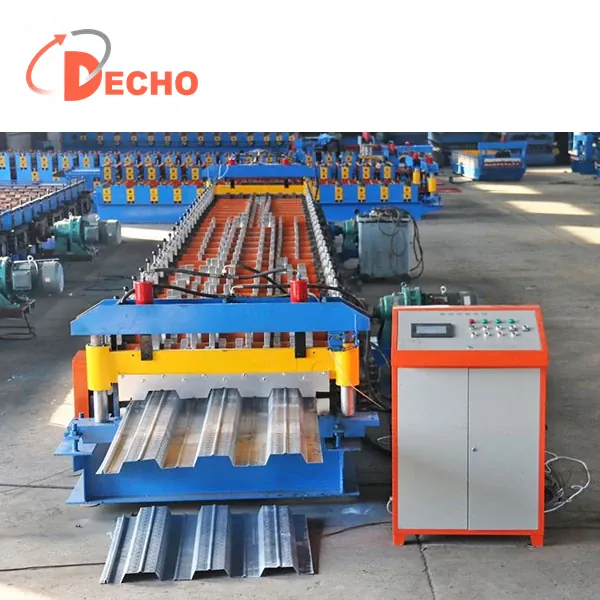
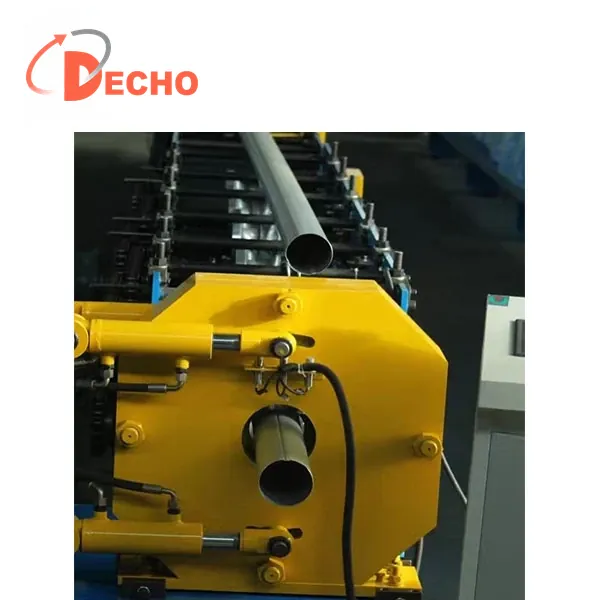
Understanding Cold Roll Forming Machinery
Cold roll forming is a continuous bending operation in which a long strip of metal, typically coiled steel, is passed through consecutive sets of rolls, each performing an incremental bend until the desired cross - sectional shape is achieved. This process is carried out at room temperature, which offers several advantages such as no need for heat treatment, reduced energy consumption, and the ability to maintain the material's mechanical properties.
Our company offers a diverse range of cold roll forming machines, including the Portable Metal Roof Roll Forming Machine, Floor Deck Roll Forming Machine, and Downspout Pipe Roll Forming Machine. These machines are designed to produce high - quality profiles with precision and efficiency.
Advantages of Using Cold Roll Forming Machinery for Prototyping
Cost - Effectiveness
One of the most significant advantages of using cold roll forming machinery for prototyping is cost - effectiveness. Traditional prototyping methods, such as machining or casting, can be extremely expensive, especially for complex shapes. Cold roll forming, on the other hand, requires relatively low tooling costs. The rolls used in the process can be designed and manufactured at a fraction of the cost of molds or dies used in other methods. This makes it an attractive option for small - scale production runs, which are typical in the prototyping phase.
Speed of Production
Time is of the essence in the prototyping process. Cold roll forming is a high - speed process that can produce long lengths of profiles in a relatively short period. Once the machine is set up and the rolls are in place, the production can start immediately. This rapid turnaround time allows designers and engineers to quickly test their designs and make necessary adjustments, accelerating the overall product development cycle.
Design Flexibility
Cold roll forming machinery offers a high degree of design flexibility. It can produce a wide variety of cross - sectional shapes, from simple angles and channels to complex custom profiles. This flexibility is crucial in the prototyping phase, as it allows designers to explore different design concepts and iterate on their ideas. Additionally, the process can be easily adjusted to accommodate changes in the design, such as modifications to the dimensions or shape of the profile.
Material Compatibility
Cold roll forming can be used with a wide range of materials, including steel, aluminum, copper, and stainless steel. This material compatibility is beneficial in prototyping, as it allows designers to select the most suitable material for their application. Different materials have different mechanical properties, corrosion resistance, and aesthetic qualities, and being able to test these materials in the prototyping phase can help in making informed decisions for mass production.
Challenges of Using Cold Roll Forming Machinery for Prototyping
Initial Setup Time
Although cold roll forming is a fast production process, the initial setup time can be relatively long. The rolls need to be precisely designed and manufactured to match the desired cross - sectional shape of the profile. This requires careful engineering and calibration, which can take some time. However, once the setup is complete, the machine can produce consistent and high - quality profiles.
Limited Complexity for Some Shapes
While cold roll forming can produce a wide variety of shapes, there are some limitations when it comes to extremely complex shapes. For example, shapes with sharp corners or deep embossments may be difficult to achieve using cold roll forming. In such cases, alternative prototyping methods may need to be considered.
Case Studies
Automotive Industry
In the automotive industry, cold roll forming machinery has been used for prototyping various components, such as door frames and chassis parts. The cost - effectiveness and design flexibility of cold roll forming have allowed automotive manufacturers to quickly test different design concepts and optimize the performance of these components. For example, a car manufacturer was able to reduce the weight of a door frame by using a custom - designed cold - rolled profile, which was first prototyped using our cold roll forming machinery.
Construction Industry
In the construction industry, cold roll forming is widely used for prototyping metal roofing and flooring systems. The speed of production and material compatibility of cold roll forming have made it an ideal choice for testing new designs and materials. A construction company used our Portable Metal Roof Roll Forming Machine to prototype a new metal roofing system, which was then refined based on the test results and eventually implemented in a large - scale construction project.
Conclusion
In conclusion, cold roll forming machinery can be a valuable tool for prototyping. Its cost - effectiveness, speed of production, design flexibility, and material compatibility make it a viable option for a wide range of industries. While there are some challenges, such as initial setup time and limitations for extremely complex shapes, these can be managed with careful planning and engineering.
As a supplier of Cold Roll Forming Machinery, we are committed to providing our customers with high - quality equipment and technical support for their prototyping needs. If you are interested in using cold roll forming machinery for your prototyping projects, we invite you to contact us for more information and to discuss your specific requirements. Our team of experts will be happy to assist you in finding the best solution for your business.
References
- "Cold Roll Forming Technology" by John Doe, published by Manufacturing Press
- "Prototyping in the Modern Manufacturing Era" by Jane Smith, published by Engineering Journal
- Industry reports on cold roll forming and prototyping from leading market research firms.