Sheet roll forming is a highly efficient and versatile manufacturing process widely used in various industries for shaping continuous strips of metal into desired cross - sectional profiles. While it is commonly associated with ferrous metals like steel, a question that often arises is whether sheet roll forming can be used for non - ferrous metals. As a sheet roll forming supplier, I have extensive experience and knowledge in this area, and I'm excited to share insights on this topic.
Characteristics of Non - Ferrous Metals
Non - ferrous metals are metals that do not contain significant amounts of iron. This group includes aluminum, copper, brass, and titanium, among others. Each of these metals has unique properties that make them suitable for different applications.
Aluminum, for example, is lightweight, corrosion - resistant, and has good electrical and thermal conductivity. It is widely used in the aerospace, automotive, and construction industries. Copper is known for its excellent electrical conductivity, making it a popular choice for electrical wiring and components. Brass, an alloy of copper and zinc, has good machinability, corrosion resistance, and an attractive golden color, which is often used in decorative applications. Titanium is extremely strong, lightweight, and corrosion - resistant, making it ideal for high - performance applications in the aerospace and medical industries.
Suitability of Sheet Roll Forming for Non - Ferrous Metals
The short answer is yes, sheet roll forming can be used for non - ferrous metals. However, there are some differences and considerations compared to forming ferrous metals.
One of the main advantages of using sheet roll forming for non - ferrous metals is the ability to produce complex profiles with high precision and consistency. The process involves passing the metal strip through a series of rollers, each of which gradually bends and shapes the metal until the desired profile is achieved. This method is well - suited for non - ferrous metals because it allows for gentle deformation, which is important for metals that may be more prone to cracking or tearing than ferrous metals.
For instance, aluminum has a relatively low melting point and is softer than steel. This means that it can be formed at lower temperatures and with less force. Sheet roll forming can take advantage of these properties to produce aluminum profiles with smooth surfaces and tight tolerances. Similarly, copper and brass can also be effectively roll - formed, thanks to their good ductility.
Challenges in Roll Forming Non - Ferrous Metals
Despite the suitability of sheet roll forming for non - ferrous metals, there are some challenges that need to be addressed.
One challenge is the difference in material properties. Non - ferrous metals often have different hardness, ductility, and elasticity compared to ferrous metals. For example, titanium is much stronger and more difficult to deform than aluminum. This requires adjustments to the roll - forming process, such as using more powerful rollers and adjusting the speed and pressure of the machine.
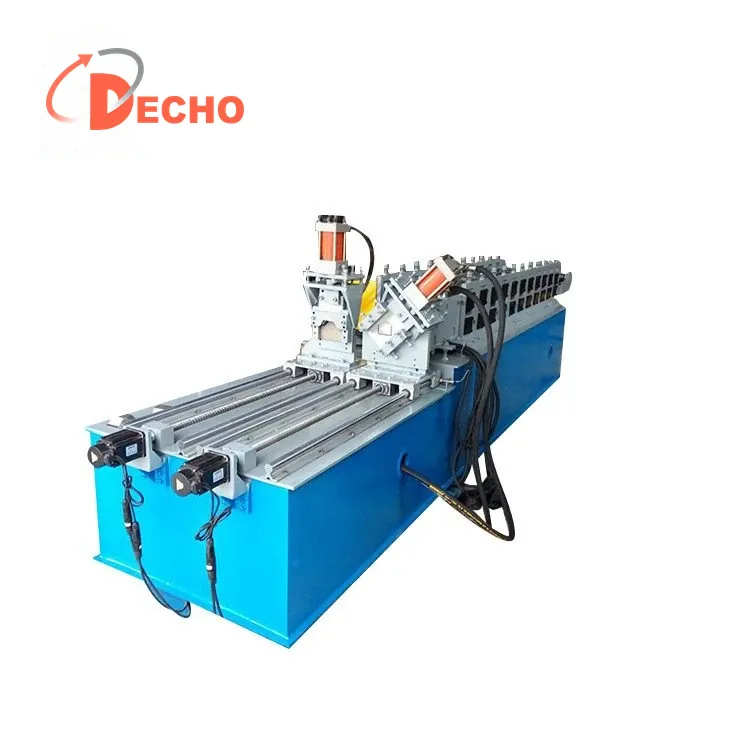
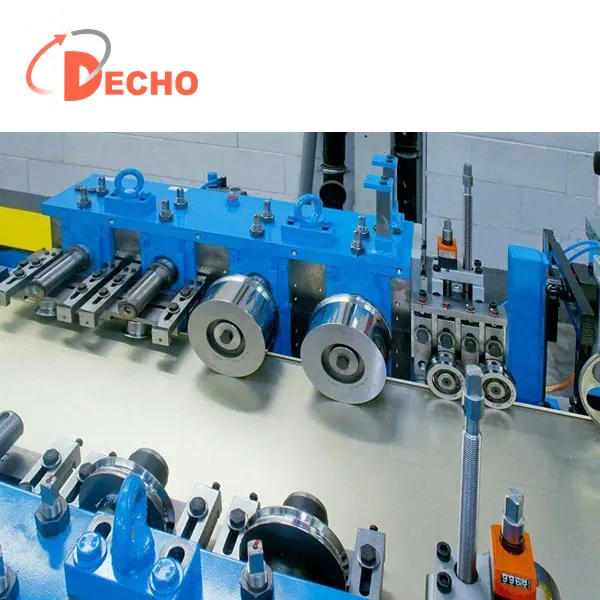
Another challenge is the potential for surface damage. Non - ferrous metals, especially those with soft surfaces like aluminum, can be easily scratched or marred during the roll - forming process. To prevent this, special care must be taken in the selection of rollers and lubricants. Smooth - surfaced rollers and appropriate lubricants can help reduce friction and prevent surface damage.
Applications of Roll - Formed Non - Ferrous Metal Products
Roll - formed non - ferrous metal products have a wide range of applications.
In the construction industry, roll - formed aluminum profiles are used for window frames, door frames, and curtain walls. Their lightweight and corrosion - resistant properties make them an excellent choice for these applications. Copper and brass profiles are often used for decorative elements, such as moldings and trim.
In the automotive industry, roll - formed non - ferrous metal components are used for various parts, including body panels, brackets, and heat exchangers. Aluminum's lightweight property helps reduce the overall weight of the vehicle, improving fuel efficiency.
In the electrical industry, roll - formed copper profiles are used for busbars and wiring harnesses. Their excellent electrical conductivity ensures efficient power transmission.
Our Expertise as a Sheet Roll Forming Supplier
As a sheet roll forming supplier, we have the expertise and equipment to handle roll forming of non - ferrous metals. We understand the unique properties of each non - ferrous metal and can customize the roll - forming process to meet the specific requirements of our customers.
We offer a wide range of products, including Water Tank Machine, Steel Frame Rollformer, and Rolling Shutter Making Machine. Our machines are designed to be highly efficient and precise, capable of producing high - quality non - ferrous metal profiles.
We also have a team of experienced engineers and technicians who can provide technical support and advice throughout the entire process, from design to production. Whether you need a simple profile or a complex custom - designed product, we can help you achieve your goals.
Contact Us for Your Non - Ferrous Metal Roll - Forming Needs
If you are interested in roll - formed non - ferrous metal products or have specific requirements for your project, we invite you to contact us. We are committed to providing you with the best solutions and high - quality products. Our team is ready to discuss your needs, provide quotes, and work with you to develop the perfect roll - formed non - ferrous metal products for your application.
References
- "Metal Forming Handbook: Processes and Applications" by George E. Dieter.
- "Non - Ferrous Metals and Alloys" by ASM International.
- "Roll Forming Technology" by P. C. Groover.