As a trusted supplier of Roll Former Machines, I often encounter inquiries from potential customers about the installation requirements of these machines. The question of whether a roll former machine requires special installation conditions is a crucial one that can significantly impact the machine's performance, longevity, and overall efficiency. In this blog post, I'll delve into this topic, providing detailed insights and guidance based on my extensive experience in the industry.
Understanding Roll Former Machines
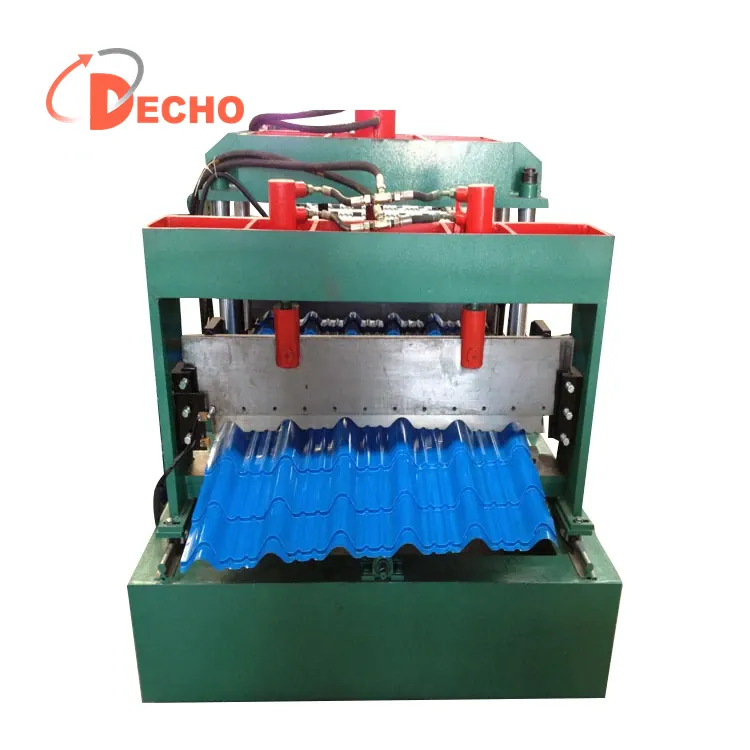
Before discussing the installation conditions, it's essential to understand what roll former machines are and how they work. Roll former machines are used to transform flat metal sheets into various shapes and profiles through a series of rolling operations. These machines are widely used in industries such as construction, automotive, and manufacturing to produce products like Upright Rack Roll Forming Machine, Metal Roof Making Machine, and Double Layer Roll Former.
The process involves feeding a metal sheet through a set of rollers, each designed to gradually shape the metal into the desired profile. The precision and complexity of the profiles that can be produced depend on the design and configuration of the roll former machine.
General Installation Considerations
While the specific installation conditions can vary depending on the type and model of the roll former machine, there are some general considerations that apply to most installations:
Space Requirements
Roll former machines typically require a significant amount of space for installation. This includes not only the space for the machine itself but also additional space for material handling, maintenance, and operator movement. The size of the machine and the length of the production line will determine the exact space requirements. It's important to ensure that there is enough clearance around the machine to allow for easy access to all components and to prevent any potential safety hazards.
Foundation and Leveling
A stable foundation is crucial for the proper operation of a roll former machine. The machine should be installed on a flat, level surface that can support its weight and the forces generated during operation. Uneven surfaces can cause the machine to vibrate, which can lead to premature wear and tear on the components and affect the quality of the formed profiles. In some cases, a concrete foundation may be required to provide the necessary stability.
Electrical and Power Supply
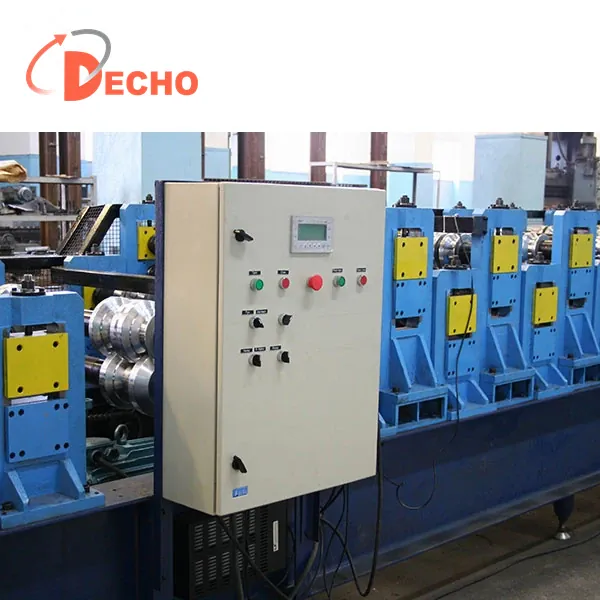
Roll former machines are powered by electricity, and it's essential to ensure that the electrical supply meets the machine's requirements. This includes the correct voltage, amperage, and phase. It's also important to have a dedicated electrical circuit for the machine to prevent any power fluctuations or interruptions that could affect its performance. Additionally, proper grounding is necessary to ensure the safety of the operators and the machine.
Ventilation and Cooling
During operation, roll former machines generate heat, especially in the motors and the rollers. Adequate ventilation and cooling are required to prevent overheating and to ensure the longevity of the machine. This may involve installing exhaust fans, air conditioning units, or other cooling systems in the installation area.
Special Installation Conditions for Different Types of Roll Former Machines
In addition to the general installation considerations, some types of roll former machines may require special installation conditions:
High-Speed Roll Former Machines
High-speed roll former machines are designed to produce profiles at a faster rate than standard machines. These machines typically require a more robust foundation and a higher power supply to handle the increased speed and forces. Additionally, they may require more advanced cooling and lubrication systems to prevent overheating and to ensure smooth operation.
Customized Roll Former Machines
Customized roll former machines are designed to produce specific profiles or to meet the unique requirements of a customer. These machines may have special installation conditions depending on their design and configuration. For example, a machine designed to produce complex profiles may require additional support structures or a more precise alignment of the rollers.
Large-Scale Roll Former Machines
Large-scale roll former machines are used for high-volume production and may require a larger installation area and a more powerful electrical supply. These machines may also require specialized material handling equipment, such as cranes or conveyors, to move the metal sheets and the formed profiles.
Importance of Professional Installation
Installing a roll former machine is a complex process that requires specialized knowledge and skills. It's highly recommended to have the machine installed by a professional technician who is familiar with the specific model and its installation requirements. A professional installation ensures that the machine is installed correctly, which can prevent potential problems and ensure optimal performance.
During the installation process, the technician will perform a series of checks and tests to ensure that the machine is properly aligned, leveled, and connected to the electrical and other systems. They will also provide training to the operators on how to operate and maintain the machine safely and effectively.
Post-Installation Testing and Commissioning
Once the roll former machine is installed, it's important to conduct thorough testing and commissioning to ensure that it is operating correctly. This includes running the machine at different speeds and with different types of materials to check the quality of the formed profiles and to identify any potential issues. The technician will also perform a final inspection of the machine to ensure that all components are functioning properly and that there are no loose connections or other problems.
Conclusion
In conclusion, while roll former machines do require some specific installation conditions, these conditions are generally manageable with proper planning and preparation. By considering the general installation considerations and any special requirements for the specific type of machine, you can ensure a successful installation and optimal performance of your roll former machine.
If you're considering purchasing a roll former machine, I encourage you to contact us for more information about the installation process and to discuss your specific requirements. Our team of experts can provide you with detailed guidance and support to ensure that you choose the right machine for your needs and that it is installed correctly. We are committed to providing high-quality roll former machines and excellent customer service, and we look forward to working with you to help you achieve your production goals.
References
- Industry standards and guidelines for roll former machine installation
- Manufacturer's installation manuals and technical documentation
- Experience and knowledge gained from past roll former machine installations