Adjusting the parameters of a metal sheet making machine is a crucial task that directly impacts the quality, efficiency, and precision of the final products. As a trusted supplier of metal sheet making machines, I understand the significance of getting these adjustments right. In this blog, I'll share some in - depth insights on how to adjust the parameters of these machines effectively.
Understanding the Basics of Metal Sheet Making Machines
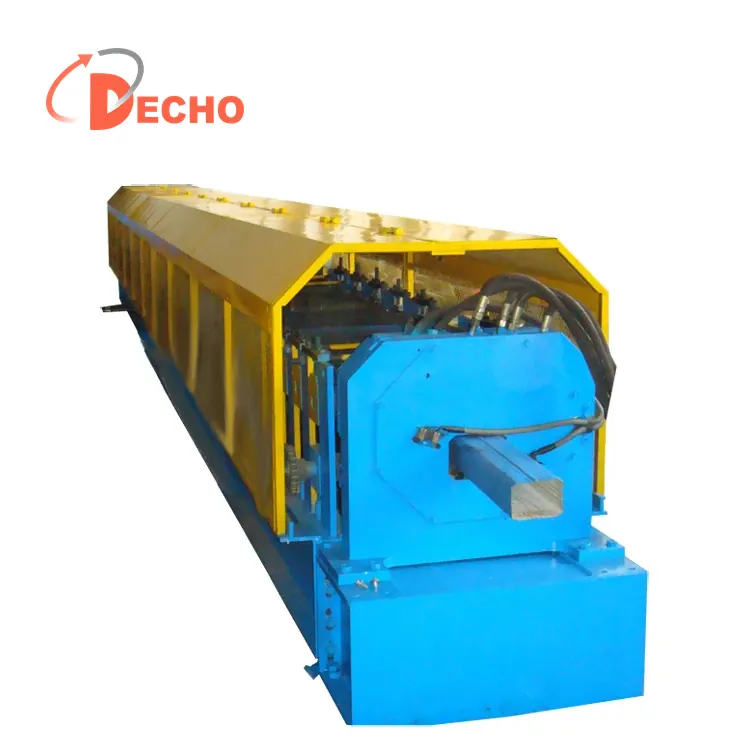
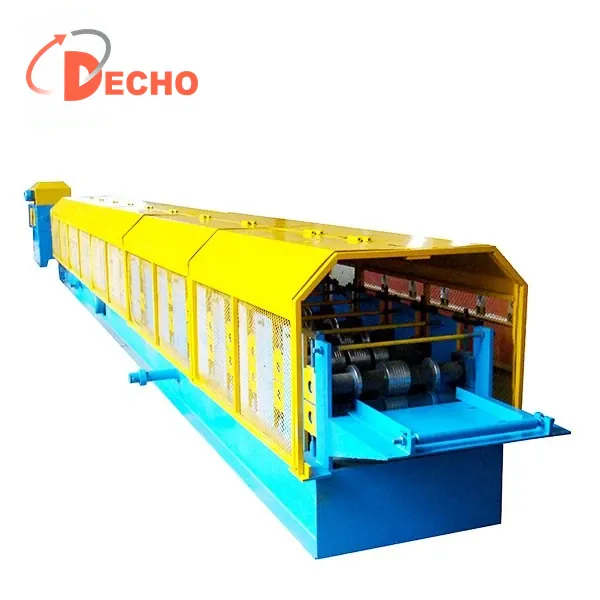
Before diving into parameter adjustment, it's essential to have a basic understanding of the different types of metal sheet making machines. We offer a wide range of machines, including the Metal Siding Roll Forming Machine, Downpipe Machine, and Downspout Roll Forming Machine. Each machine has its own unique set of functions and requirements, but the general principles of parameter adjustment remain similar.
Initial Machine Setup and Inspection
The first step in adjusting the parameters of a metal sheet making machine is to ensure that the machine is properly set up and inspected. Check the machine's physical condition, including the alignment of the rollers, the tightness of the belts, and the lubrication of moving parts. Any misalignment or mechanical issues can lead to inaccurate parameter settings and poor - quality products.
Material - Related Parameters
Thickness and Width of the Metal Sheet
The thickness and width of the metal sheet are two critical parameters that need to be adjusted according to the specific requirements of the project. Most modern metal sheet making machines allow you to input these values directly into the control panel. When adjusting for thickness, make sure that the rollers are set at the correct gap. A gap that is too wide will result in loose - fitting products, while a gap that is too narrow can cause the metal to deform or break.
For the width of the metal sheet, ensure that the guiding mechanisms are properly adjusted to keep the sheet centered during the forming process. Incorrect width settings can lead to unevenly formed products or even jams in the machine.
Material Type
Different types of metals have different physical properties, such as hardness, ductility, and elasticity. These properties affect how the metal behaves during the forming process. For example, stainless steel is generally harder than aluminum, so it may require more pressure and slower forming speeds. When adjusting the parameters for different materials, refer to the machine's manual or consult with the manufacturer to determine the optimal settings.
Machine - Specific Parameters
Rollers Speed
The speed of the rollers determines the rate at which the metal sheet is formed. A higher roller speed can increase the production efficiency, but it may also reduce the accuracy of the forming process. On the other hand, a lower speed can ensure more precise forming but may slow down the overall production. The optimal roller speed depends on several factors, including the material type, thickness, and the complexity of the product design. Start with a moderate speed and make adjustments based on the quality of the formed products.
Pressure Settings
Pressure is another crucial parameter in metal sheet forming. The pressure applied by the rollers helps to shape the metal sheet into the desired form. Too much pressure can cause the metal to crack or warp, while too little pressure may result in an incomplete form. Adjust the pressure settings gradually, and test the machine with a sample metal sheet to find the right balance.
Geometric - Shape Parameters
Bend Angle and Radius
If your metal sheet making machine is used for bending operations, the bend angle and radius are important parameters. These values can usually be programmed into the machine's control system. When setting the bend angle, ensure that the bending tool is properly aligned and that the machine has enough power to achieve the desired angle. The bend radius is related to the thickness and material type of the metal sheet. A smaller radius may require more force and may cause the metal to crack if not properly adjusted.
Profile Design
For machines that produce complex profiles, such as the Metal Siding Roll Forming Machine, the profile design needs to be accurately programmed. This involves setting the shape, dimensions, and any additional features of the profile. Use the machine's CAD - CAM software to create and import the profile design. Make sure to double - check the design for any errors or inconsistencies before starting the production.
Testing and Fine - Tuning
After adjusting all the parameters, it's time to test the machine with a sample metal sheet. Inspect the formed product carefully for any defects, such as uneven surfaces, cracks, or incorrect dimensions. If any issues are found, make small adjustments to the relevant parameters and test again. This process of testing and fine - tuning may need to be repeated several times until the desired quality is achieved.
Safety Considerations
When adjusting the parameters of a metal sheet making machine, always follow the safety guidelines provided by the manufacturer. Wear appropriate personal protective equipment, such as safety glasses, gloves, and ear protection. Avoid making adjustments while the machine is running, and make sure to turn off the power and lock out the machine before performing any maintenance or parameter - adjustment tasks.
Monitoring and Maintenance
Once the machine is up and running with the correct parameter settings, it's important to monitor the production process regularly. Check the quality of the products at regular intervals and look for any signs of wear and tear on the machine. Regular maintenance, including cleaning, lubrication, and part replacement, is essential to keep the machine in good working condition and ensure consistent parameter performance.
Conclusion
Adjusting the parameters of a metal sheet making machine is a complex but essential process that requires a combination of technical knowledge, practical experience, and attention to detail. By following the steps outlined in this blog, you can ensure that your metal sheet making machine produces high - quality products efficiently and consistently.
If you are in the market for a metal sheet making machine or need further assistance with parameter adjustment, don't hesitate to contact us. Our team of experts is ready to help you find the best solutions for your specific needs and ensure a smooth and successful production process.
References
- Manufacturer's Manuals for Metal Sheet Making Machines
- Industry Standards for Metal Forming Processes
- Technical Papers on Metal Sheet Forming Technology