Hey there! As a supplier of C&Z Purlin Forming Machines, I often get asked about how to adjust the thickness of the purlins produced by these machines. It's a crucial aspect that can significantly impact the quality and performance of the final product. So, let's dive right in and explore the ins and outs of adjusting purlin thickness.
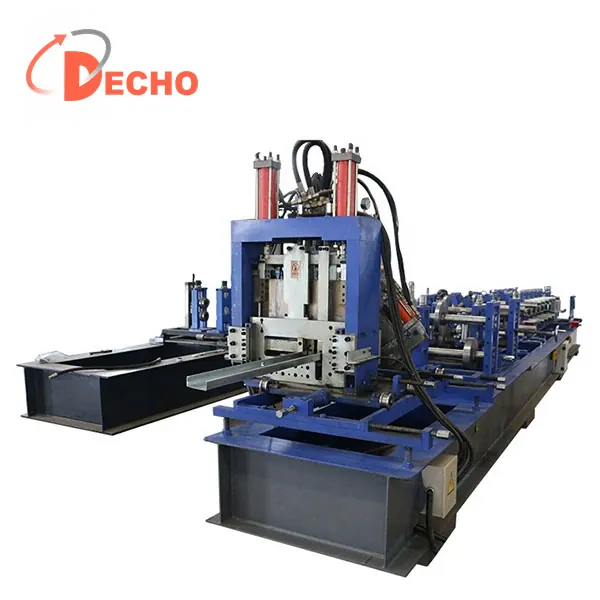
First off, understanding the basics of a C&Z Purlin Forming Machine is essential. These machines are designed to transform flat metal sheets into C or Z-shaped purlins, which are widely used in construction for roofing and wall support. The thickness of the purlins can vary depending on the specific requirements of the project, and being able to adjust it accurately is key.
Factors Affecting Purlin Thickness
Before we get into the adjustment process, it's important to know what factors can influence the thickness of the purlins. One of the primary factors is the type of metal being used. Different metals have different properties, such as hardness and ductility, which can affect how they are formed and the resulting thickness. For example, steel is a common choice for purlins due to its strength and durability, but the specific grade of steel can also impact the forming process.
Another factor is the speed of the machine. If the machine is running too fast, it may not be able to form the purlins to the desired thickness. On the other hand, running the machine too slowly can lead to inefficiencies and potentially uneven thickness. Finding the right balance is crucial.
The temperature of the metal also plays a role. Metal expands and contracts with temperature changes, so it's important to ensure that the metal is at the appropriate temperature during the forming process. This can be achieved through proper heating or cooling systems, depending on the specific requirements of the metal.
Adjusting the Thickness
Now that we understand the factors that can affect purlin thickness, let's talk about how to actually adjust it. The first step is to consult the machine's manual. Every C&Z Purlin Forming Machine is different, and the manual will provide specific instructions on how to adjust the thickness. It's important to follow these instructions carefully to ensure accurate and consistent results.
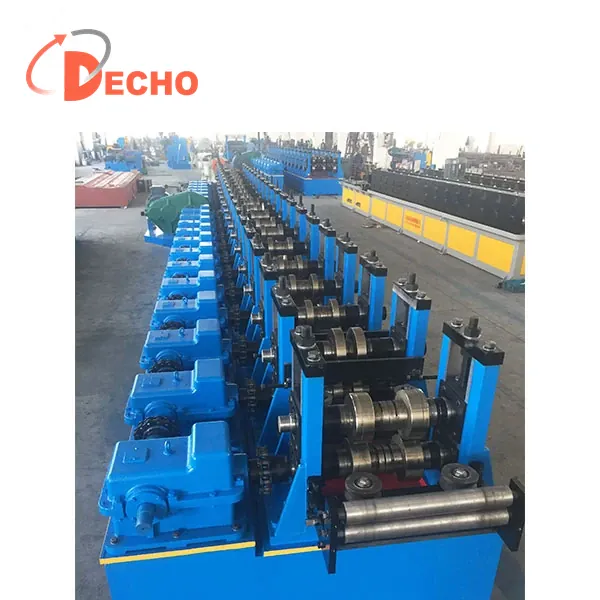
Most machines have adjustable rollers that can be used to control the thickness of the purlins. These rollers can be adjusted by turning a knob or using a hydraulic system, depending on the machine's design. When adjusting the rollers, it's important to make small, incremental changes and test the purlins after each adjustment to ensure that the desired thickness is achieved.
In addition to adjusting the rollers, it may also be necessary to adjust the speed of the machine. As mentioned earlier, the speed can affect the thickness of the purlins. If the purlins are coming out too thick, you may need to slow down the machine. Conversely, if they are too thin, you may need to increase the speed. Again, it's important to make small adjustments and test the purlins to find the optimal speed.
Another important aspect of adjusting the thickness is ensuring that the metal is properly aligned. If the metal is not aligned correctly, it can result in uneven thickness or other defects. Most machines have guides or alignment systems that can be used to ensure that the metal is fed into the machine straight and centered.
Quality Control
Once you have adjusted the thickness of the purlins, it's important to perform quality control checks to ensure that they meet the required specifications. This can include measuring the thickness of the purlins using a caliper or other measuring tools. You should also inspect the purlins for any defects, such as cracks or uneven surfaces.
If you find that the purlins do not meet the required specifications, you may need to make further adjustments to the machine. This could involve adjusting the rollers, speed, or alignment again. It's important to be patient and persistent when making these adjustments to ensure that the final product is of high quality.
Related Machines
In addition to C&Z Purlin Forming Machines, we also offer a range of other roll forming machines, such as the Downspout Pipe Roll Forming Machine, Deck Roll Forming Machine, and Corrugated Roof Sheet Making Machine. These machines can be used to produce a variety of metal products, including downspout pipes, metal decks, and corrugated roof sheets.
If you're interested in learning more about these machines or have any questions about adjusting the thickness of purlins, feel free to reach out to us. We're here to help you find the right solutions for your business.
Conclusion
Adjusting the thickness of the purlins produced by a C&Z Purlin Forming Machine is a crucial process that requires careful attention to detail. By understanding the factors that can affect purlin thickness, following the machine's manual, and performing quality control checks, you can ensure that the final product meets the required specifications. And if you need any assistance or have any questions, don't hesitate to contact us. We're here to support you every step of the way.