Hey there! I'm a supplier of rollformers, and today I'm gonna share with you how to calibrate a rollformer. Whether you're a newbie in the metal - forming industry or a seasoned pro looking for a refresher, this guide is for you.
First off, let's understand what rollforming is. Rollforming is a process where a long strip of metal, like steel or aluminum, is passed through a series of rollers. These rollers gradually shape the metal into a desired cross - sectional profile. A well - calibrated rollformer is crucial for producing high - quality products consistently.
Pre - calibration Checks
Before you start the actual calibration process, there are some important pre - calibration checks you need to do.
Inspect the Rollers
The rollers are the heart of the rollformer. Check them for any signs of wear and tear, like scratches, dents, or uneven surfaces. If you find any damaged rollers, replace them right away. Worn - out rollers can lead to inconsistent shaping of the metal, resulting in defective products.
Clean the Machine
Dirt, debris, and metal shavings can accumulate on the rollformer over time. Use a clean cloth and some appropriate cleaning agents to wipe down the rollers, guides, and other parts of the machine. A clean machine not only works better but also has a longer lifespan.
Check the Alignment of the Rollers
Visually inspect the alignment of the rollers. They should be parallel to each other and properly spaced. Misaligned rollers can cause the metal strip to deviate from its intended path, leading to poor - quality formed products.
Initial Setup for Calibration
Once you've completed the pre - calibration checks, it's time for the initial setup.
Select the Right Tooling
Make sure you have the correct tooling for the specific profile you want to form. Different profiles require different sets of rollers and dies. Using the wrong tooling will obviously not give you the desired results.
Adjust the Infeed and Outfeed Guides
The infeed and outfeed guides help to keep the metal strip in the right position as it enters and exits the rollformer. Adjust them so that they are centered and provide just enough clearance for the metal strip to pass through smoothly.
Calibrating the Rollers
Now, let's get into the main part - calibrating the rollers.
Set the Roller Pressure
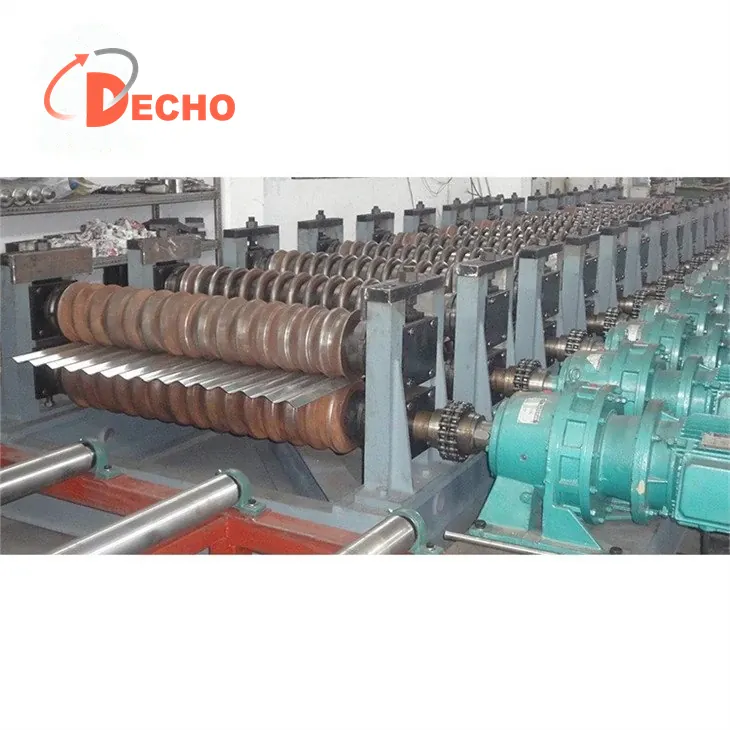
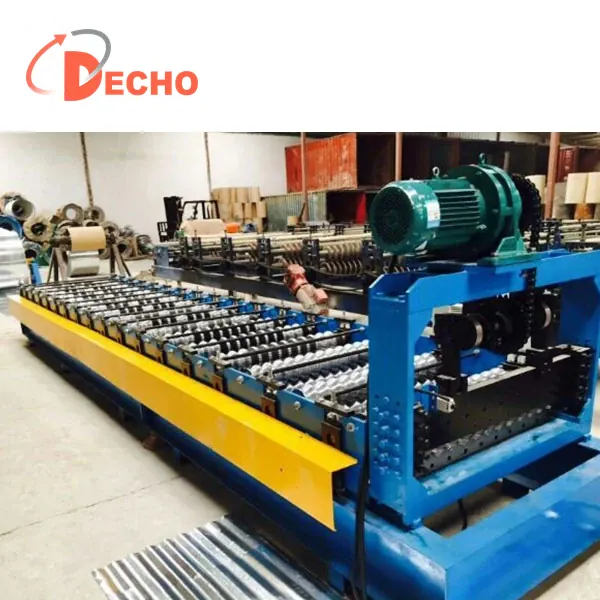
The roller pressure is a critical factor. If the pressure is too low, the metal may not be formed properly. On the other hand, if the pressure is too high, it can cause excessive wear on the rollers and may even damage the metal. Start with a moderate pressure and make small adjustments as needed. You can use a pressure gauge to measure and monitor the pressure accurately.
Fine - tune the Roller Heights
Each set of rollers in the rollformer has a specific height that contributes to the overall shaping of the metal. Use a height gauge to ensure that the rollers are at the correct height. Make small adjustments to the height of individual rollers to achieve the desired profile. This may take some trial and error, but patience is key here.
Check the Roller Speed
The speed at which the rollers rotate also affects the quality of the formed product. A too - fast speed can cause the metal to deform unevenly, while a too - slow speed can be inefficient. Find the optimal speed for your specific rollforming process. Usually, you can start with a slow speed and gradually increase it while observing the quality of the formed metal.
Testing the Calibration
After you've calibrated the rollers, it's time to test the machine.
Run a Test Strip
Take a short strip of metal and run it through the rollformer. Carefully examine the formed profile. Look for any signs of unevenness, wrinkles, or other defects. If you find any issues, go back and make further adjustments to the calibration settings.
Measure the Formed Profile
Use appropriate measuring tools, such as a caliper or a micrometer, to measure the dimensions of the formed profile. Compare the measured dimensions with the desired specifications. If there are any discrepancies, you need to make more calibration adjustments.
Maintaining the Calibration
Calibration is not a one - time thing. You need to maintain the calibration of your rollformer regularly.
Regular Inspections
Conduct regular inspections of the rollformer, at least once a week or more frequently if the machine is used intensively. Check the rollers, guides, and other components for any signs of wear or misalignment.
Lubrication
Proper lubrication is essential for the smooth operation of the rollformer. Follow the manufacturer's recommendations for lubricating the rollers and other moving parts. This will not only help to maintain the calibration but also extend the lifespan of the machine.
Different Types of Rollformers and Their Calibration
As a rollformer supplier, I know that there are different types of rollformers, and each may have some unique calibration requirements.
C&Z Purlin Forming Machine
The C&Z Purlin Forming Machine is used to produce C - shaped and Z - shaped purlins, which are commonly used in construction. When calibrating this type of rollformer, pay special attention to the angles and dimensions of the purlin profiles. The rollers need to be calibrated precisely to ensure that the purlins have the correct shape and strength.
Metal Roof Forming Machine
The Metal Roof Forming Machine is designed to create various types of metal roofing panels. For this machine, the calibration should focus on creating smooth and consistent curves and seams. The roller pressure and speed need to be carefully adjusted to prevent any damage to the thin metal sheets used for roofing.
Silo Roll Forming Machine
The Silo Roll Forming Machine is used to form the cylindrical panels for silos. Calibrating this machine requires ensuring that the formed panels have the correct diameter and curvature. The alignment of the rollers is especially crucial to produce panels that fit together properly when constructing the silo.
Conclusion
Calibrating a rollformer is a detailed process that requires patience, precision, and a good understanding of the machine. By following the steps I've outlined above, you can ensure that your rollformer produces high - quality formed products consistently.
If you're in the market for a rollformer or need further advice on rollformer calibration, don't hesitate to get in touch. I'm here to help you make the most of your rollforming operations. Whether you're looking for a C&Z Purlin Forming Machine, a Metal Roof Forming Machine, or a Silo Roll Forming Machine, I can provide you with the right solutions.
References
- Rollforming Handbook: A Comprehensive Guide to Rollforming Technology
- Manufacturer's Manuals for Different Rollforming Machines