Hey there! As a supplier of Z Purlin Forming Machines, I know how crucial it is to keep these machines in top - notch condition. One of the key aspects of maintaining a Z Purlin Forming Machine is checking its alignment. In this blog, I'll walk you through the steps to check the alignment of a Z Purlin Forming Machine, so you can ensure smooth operations and high - quality output.
Why is Alignment Important?
Before we dive into the checking process, let's talk about why alignment matters. A well - aligned Z Purlin Forming Machine ensures that the purlins are formed with the correct dimensions and shape. Misalignment can lead to a whole host of problems, such as uneven purlin profiles, material wastage, and increased wear and tear on the machine components. Over time, this can even cause breakdowns and costly repairs. So, regularly checking the alignment is a no - brainer if you want to keep your production running smoothly.
Tools You'll Need
First things first, gather the necessary tools. You'll need a straightedge, a feeler gauge, a measuring tape, and a level. These tools are essential for accurately assessing the alignment of different parts of the machine.
Checking the Roll Alignment
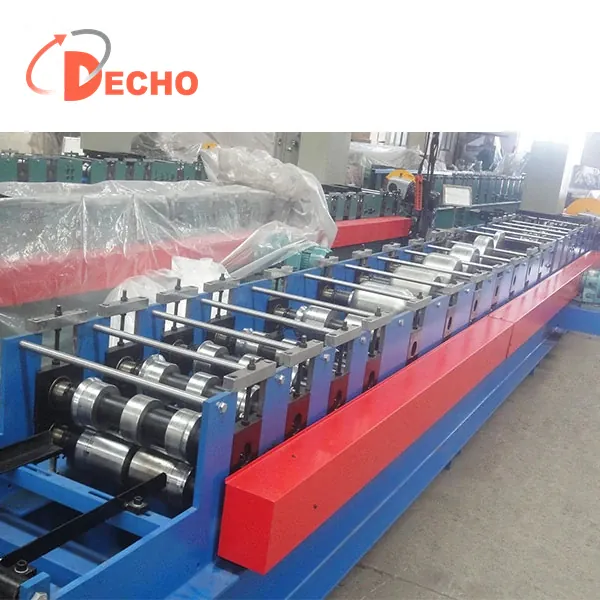
The rolls are the heart of a Z Purlin Forming Machine, so it's important to start by checking their alignment.
- Visual Inspection: Begin with a simple visual inspection. Look at the rolls to see if there are any obvious signs of misalignment, such as visible gaps between the rolls or uneven wear patterns. If you notice anything unusual, it's a good indication that further checks are needed.
- Using a Straightedge: Place a straightedge along the length of the rolls. This will help you determine if the rolls are in a straight line. Any deviation from the straightedge indicates misalignment. Measure the gaps between the straightedge and the rolls at different points using a feeler gauge. The gaps should be consistent across all the rolls. If there are significant variations, the rolls need to be realigned.
- Roll Spacing: Check the spacing between the rolls using a measuring tape. The spacing should be uniform according to the specifications of the machine. Incorrect roll spacing can lead to issues with the purlin's thickness and shape.
Checking the Frame Alignment
The frame provides the structural support for the entire machine, so its alignment is also crucial.
- Leveling the Machine: Use a level to check if the machine is sitting evenly on the floor. Place the level on different parts of the frame, including the base and the sides. If the machine is not level, it can cause misalignment of the rolls and other components. Adjust the leveling feet of the machine until it is perfectly level.
- Checking the Frame Squareness: Measure the diagonals of the frame using a measuring tape. In a perfectly square frame, the two diagonals will be equal in length. If there is a difference in the diagonal measurements, the frame is out of square and needs to be adjusted.
Checking the Feed System Alignment
The feed system is responsible for feeding the raw material into the machine. Misalignment in the feed system can cause jams and inconsistent purlin formation.
- Feed Roll Alignment: Similar to the main rolls, check the alignment of the feed rolls. Use a straightedge and a feeler gauge to ensure that the feed rolls are in a straight line and that the gaps between them are consistent.
- Guides and Tracks: Inspect the guides and tracks that the raw material follows through the feed system. They should be straight and properly aligned. Any bends or misalignments in the guides can cause the material to feed unevenly, leading to quality issues in the purlins.
Checking the Cutting Mechanism Alignment
The cutting mechanism is responsible for cutting the formed purlins to the desired length. Proper alignment of the cutting mechanism is essential for accurate cuts.
- Blade Alignment: Check the alignment of the cutting blades. They should be parallel to each other and perpendicular to the purlin. Use a straightedge and a feeler gauge to measure the gaps between the blades and ensure that they are evenly spaced.
- Cutting Position: Make sure that the cutting position is accurate. Measure the distance from the cutting point to the end of the formed purlin using a measuring tape. The measurement should be consistent for all the cuts.
Regular Maintenance and Monitoring
Checking the alignment of a Z Purlin Forming Machine is not a one - time task. It should be part of your regular maintenance routine. Set a schedule to perform these checks at least once a month, or more frequently if the machine is in heavy use. Additionally, keep a log of the alignment checks and any adjustments made. This will help you track the machine's performance over time and identify any recurring issues.
Additional Tips
- Keep the Machine Clean: Dirt and debris can accumulate on the rolls and other components, affecting their alignment. Regularly clean the machine to prevent this from happening.
- Train Your Operators: Make sure your operators are trained to recognize the signs of misalignment and know how to perform basic alignment checks. This can help catch problems early and prevent major breakdowns.
Related Machines
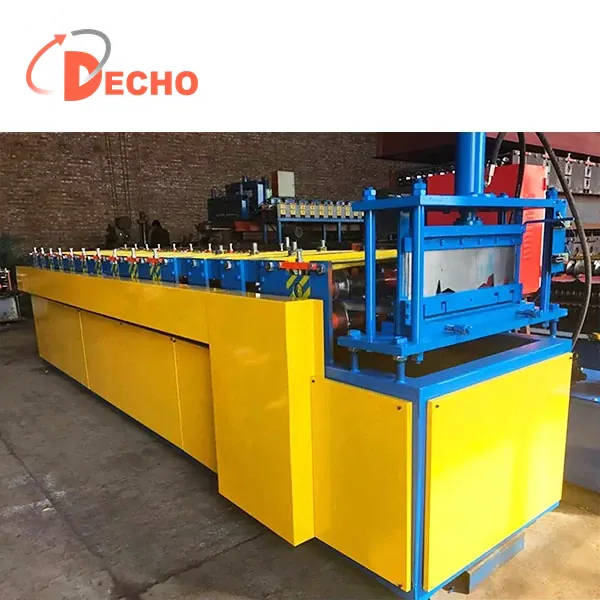
If you're in the market for other types of roll - forming machines, we also offer Duplex Roll Forming Machine, Profile Sheet Manufacturing Machine, and Gutter Forming Machine. These machines are designed with the same high - quality standards as our Z Purlin Forming Machines.
Conclusion
Checking the alignment of a Z Purlin Forming Machine is an important part of maintaining its performance and ensuring high - quality output. By following the steps outlined in this blog, you can identify and correct any alignment issues before they cause major problems. If you have any questions about the alignment process or if you're interested in purchasing a Z Purlin Forming Machine, don't hesitate to reach out. We're here to help you make the most of your production.
References
- General knowledge from years of experience in the Z Purlin Forming Machine industry.
- Manufacturer's manuals for Z Purlin Forming Machines.