As a trusted supplier of sheet making machines, I understand the critical role these machines play in various industries. Mechanical failures in sheet making machines can disrupt production schedules, lead to increased costs, and affect the overall efficiency of your operations. In this blog post, I'll share some practical tips on how to deal with mechanical failures in a sheet making machine, ensuring minimal downtime and maximum productivity.
Understanding Common Mechanical Failures
Before we dive into solutions, it's essential to understand the common mechanical failures that can occur in a sheet making machine. Some of the most prevalent issues include:
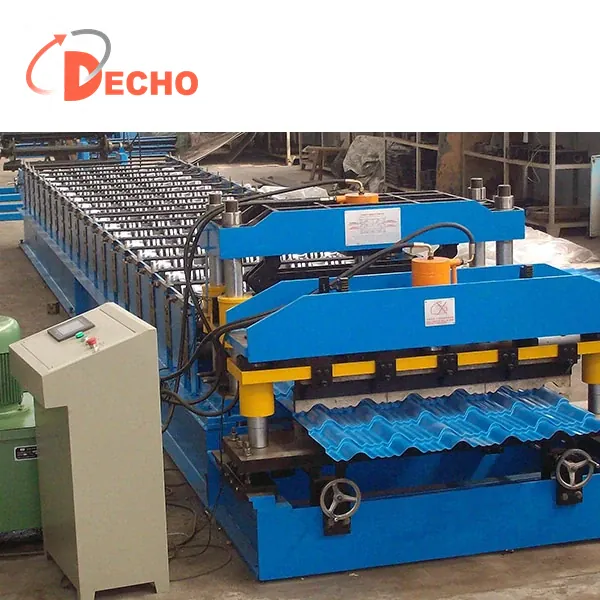
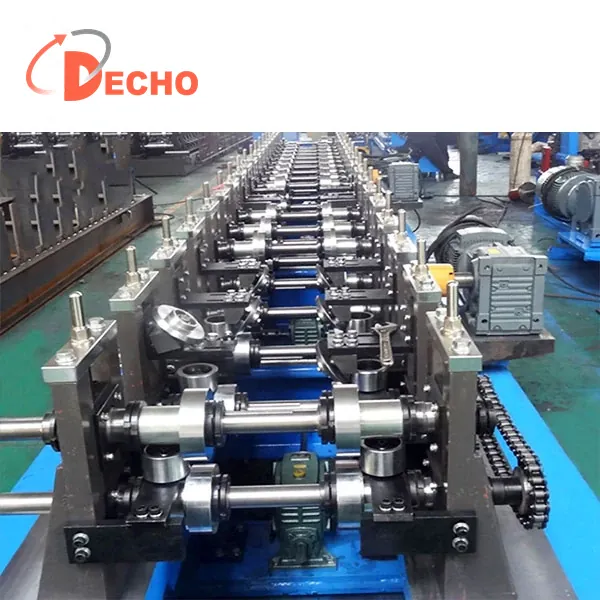
- Belt and Chain Problems: Over time, belts and chains can wear out, stretch, or break. This can lead to misalignment, reduced power transmission, and ultimately, machine failure.
- Motor Malfunctions: Motors are the heart of a sheet making machine. Issues such as overheating, electrical problems, or mechanical wear can cause motors to fail, resulting in a complete shutdown of the machine.
- Hydraulic System Failures: Hydraulic systems are used to power many of the moving parts in a sheet making machine. Leaks, blockages, or component failures in the hydraulic system can lead to reduced performance or complete system failure.
- Tooling and Die Wear: The cutting, bending, and forming tools and dies in a sheet making machine are subject to significant wear and tear. Dull or damaged tools can produce poor-quality products and increase the risk of machine damage.
- Sensor and Control System Issues: Modern sheet making machines rely on sensors and control systems to monitor and regulate various functions. Faulty sensors or control system malfunctions can lead to inaccurate operation, production errors, or machine shutdowns.
Preventive Maintenance
One of the most effective ways to deal with mechanical failures in a sheet making machine is to implement a comprehensive preventive maintenance program. Here are some key maintenance tasks to include:
- Regular Inspections: Conduct daily, weekly, and monthly inspections of the machine to check for signs of wear, damage, or loose components. Pay special attention to belts, chains, motors, hydraulic systems, and tooling.
- Lubrication: Proper lubrication is essential for the smooth operation of a sheet making machine. Follow the manufacturer's recommendations for lubricating all moving parts, including bearings, gears, and slides.
- Cleaning: Keep the machine clean to prevent the buildup of dirt, debris, and metal shavings. Regularly clean the work area, conveyor belts, and cutting tools to ensure optimal performance.
- Calibration: Periodically calibrate the machine's sensors, control systems, and cutting tools to ensure accurate operation. This will help prevent production errors and reduce the risk of machine damage.
- Component Replacement: Replace worn or damaged components before they fail. Keep a stock of essential spare parts on hand to minimize downtime in the event of a failure.
Troubleshooting Mechanical Failures
Despite your best efforts at preventive maintenance, mechanical failures can still occur. When a failure happens, it's important to act quickly to minimize downtime and get the machine back up and running. Here are some steps to follow when troubleshooting mechanical failures:
- Identify the Problem: The first step in troubleshooting is to identify the root cause of the problem. Use the machine's diagnostic tools, manuals, and your own experience to determine what is causing the failure.
- Isolate the Problem: Once you've identified the problem, isolate the affected component or system. This will help you focus your troubleshooting efforts and prevent further damage to the machine.
- Check for Obvious Issues: Before attempting any repairs, check for obvious issues such as loose connections, broken wires, or clogged filters. These simple problems can often be easily fixed without the need for extensive repairs.
- Refer to the Manual: Consult the machine's manual for troubleshooting guides and repair instructions. The manual will provide valuable information on how to diagnose and fix common problems.
- Seek Professional Help: If you're unable to identify or fix the problem on your own, seek the assistance of a professional technician. A qualified technician will have the expertise and tools necessary to diagnose and repair complex mechanical failures.
Repairing Mechanical Failures
Once you've identified and isolated the problem, it's time to repair the machine. Here are some general guidelines for repairing mechanical failures:
- Use the Right Tools: Make sure you have the right tools for the job. Using the wrong tools can damage the machine and make the problem worse.
- Follow Safety Procedures: Always follow safety procedures when working on a sheet making machine. This includes wearing appropriate personal protective equipment (PPE) and disconnecting the machine from the power source before making any repairs.
- Replace Worn or Damaged Components: If a component is worn or damaged, replace it with a new one. Make sure to use genuine replacement parts to ensure compatibility and reliability.
- Test the Machine: After making any repairs, test the machine to ensure it is operating properly. Run a few test cycles to check for any remaining issues or abnormalities.
Minimizing Downtime
In addition to preventive maintenance and troubleshooting, there are several other strategies you can use to minimize downtime in the event of a mechanical failure:
- Have a Spare Machine: If possible, have a spare sheet making machine on hand. This will allow you to quickly switch to the spare machine while the damaged machine is being repaired, minimizing production disruptions.
- Train Your Staff: Provide comprehensive training to your staff on how to operate and maintain the sheet making machine. This will help them identify and address potential problems before they become major issues.
- Establish a Relationship with a Reliable Supplier: Work with a reliable supplier who can provide prompt and efficient support in the event of a mechanical failure. A good supplier will have a stock of spare parts on hand and a team of experienced technicians who can quickly respond to your needs.
- Implement a Backup Plan: Develop a backup plan for dealing with mechanical failures. This could include alternative production methods, outsourcing, or partnering with other companies to meet your production needs.
Conclusion
Dealing with mechanical failures in a sheet making machine is an inevitable part of running a manufacturing operation. However, by implementing a comprehensive preventive maintenance program, following proper troubleshooting procedures, and taking steps to minimize downtime, you can reduce the impact of these failures on your production schedule and bottom line.
As a leading supplier of sheet making machines, we are committed to providing our customers with the highest quality products and support. If you have any questions or need assistance with your sheet making machine, please don't hesitate to contact us. We would be happy to help you keep your machine running smoothly and efficiently.
In addition to our sheet making machines, we also offer a range of other high-quality products, including Roof Roll Forming Machine, Cable Tray Forming Machine, and Roll Forming Machine For Solar Structure. If you're interested in learning more about these products or would like to discuss your specific requirements, please contact us to schedule a consultation.
References
- Manufacturer's manuals and technical documentation for sheet making machines.
- Industry best practices for preventive maintenance and troubleshooting of industrial machinery.
- Experience and expertise gained from working with sheet making machines in various manufacturing environments.