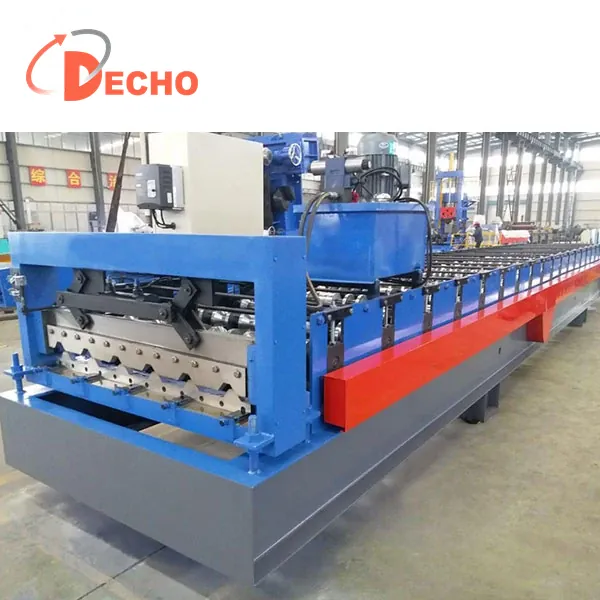
As a seasoned supplier of Cold Roll Formers, I've witnessed firsthand the challenges that noise issues can pose to both operators and the overall production environment. In this blog post, I'll share some practical strategies and insights on how to effectively deal with the noise problem of a Cold Roll Former.
Understanding the Sources of Noise in Cold Roll Formers
Before we can address the noise problem, it's crucial to understand where the noise is coming from. Cold Roll Formers typically generate noise from several sources:
Mechanical Friction
The moving parts of a Cold Roll Former, such as gears, bearings, and rollers, can produce significant noise due to friction. As these components interact with each other during the forming process, the rubbing and grinding generate vibrations that are transmitted as sound waves.
Material Deformation
When metal sheets are being formed into the desired shape, the deformation process itself can create noise. The bending, stretching, and cutting of the metal can cause sudden changes in stress and strain, resulting in audible pops and cracks.
Motor and Drive System
The motor and drive system of a Cold Roll Former are responsible for powering the machine. The operation of the motor, along with the transmission of power through belts, chains, or gears, can also contribute to the overall noise level.
Airflow and Exhaust
Some Cold Roll Formers are equipped with fans or exhaust systems to cool the machine or remove dust and debris. The movement of air through these systems can generate noise, especially if the airflow is turbulent or restricted.
Strategies for Reducing Noise in Cold Roll Formers
Now that we have a better understanding of the sources of noise, let's explore some strategies for reducing it:
Regular Maintenance and Lubrication
One of the most effective ways to reduce noise in a Cold Roll Former is to ensure that all moving parts are properly maintained and lubricated. Regularly inspecting and cleaning the machine, replacing worn-out components, and applying lubricants to the appropriate areas can help minimize friction and reduce noise levels.
Vibration Isolation
Vibrations are a major contributor to noise in Cold Roll Formers. By using vibration isolation techniques, such as installing rubber mounts or shock absorbers, we can reduce the transmission of vibrations from the machine to the surrounding environment. This can significantly lower the overall noise level and improve the comfort of the operators.
Soundproof Enclosures
Another option for reducing noise is to install a soundproof enclosure around the Cold Roll Former. A well-designed enclosure can absorb and dampen the sound waves generated by the machine, preventing them from escaping into the surrounding area. This can be particularly effective in high-noise environments or when noise regulations need to be met.
Optimized Machine Design
When designing a Cold Roll Former, it's important to consider noise reduction from the start. Using high-quality components, minimizing the number of moving parts, and optimizing the layout of the machine can all help reduce noise levels. Additionally, incorporating noise-reducing features, such as noise-absorbing materials or sound baffles, can further enhance the machine's performance.
Operator Training and Safety Measures
Proper operator training is essential for reducing noise in Cold Roll Formers. Operators should be educated on the importance of following safety procedures, such as wearing hearing protection and using the machine in a proper manner. By minimizing unnecessary noise-generating actions, operators can help create a quieter and safer working environment.
The Benefits of Reducing Noise in Cold Roll Formers
Reducing noise in Cold Roll Formers offers several benefits, both for the operators and the overall production process:
Improved Operator Comfort and Safety
Excessive noise can have a negative impact on the health and well-being of operators. Prolonged exposure to high noise levels can cause hearing loss, stress, and fatigue. By reducing noise levels, we can create a more comfortable and safer working environment, which can improve operator productivity and reduce the risk of accidents.
Enhanced Product Quality
Noise can also affect the quality of the products being formed. Vibrations and noise-induced stress can cause variations in the dimensions and surface finish of the formed parts, leading to defects and rework. By reducing noise levels, we can minimize these issues and ensure consistent product quality.
Compliance with Noise Regulations
Many industries are subject to noise regulations and standards. By reducing noise levels in Cold Roll Formers, we can ensure compliance with these regulations and avoid potential fines or legal issues. This can help protect the reputation of the company and maintain a positive relationship with regulatory authorities.
Increased Equipment Lifespan
Excessive noise can also be a sign of underlying mechanical problems in a Cold Roll Former. By addressing the noise issue early on, we can identify and fix these problems before they cause significant damage to the machine. This can help extend the lifespan of the equipment and reduce maintenance costs in the long run.
Conclusion
Dealing with the noise problem of a Cold Roll Former is an important aspect of ensuring a safe, comfortable, and efficient production environment. By understanding the sources of noise, implementing appropriate noise reduction strategies, and reaping the benefits of a quieter machine, we can enhance the performance of our Cold Roll Formers and improve the overall quality of our products.
If you're interested in learning more about our Metal Siding Roll Forming Machine, Cable Tray Making Machine, or Metal Roofing Roll Former, or if you have any questions about noise reduction in Cold Roll Formers, please don't hesitate to contact us. We're here to help you find the best solutions for your specific needs.
References
- Machinery's Handbook, 31st Edition
- OSHA Noise Regulations
- Industrial Noise Control Handbook