Hey there! As a supplier of Metal Roll Forming Machines, I've seen firsthand the waste generated during the operation of these machines. It's a common concern for many manufacturers, and I'm here to share some practical tips on how to deal with it.
Understanding the Types of Waste
First off, let's talk about the different types of waste you might encounter when running a metal roll forming machine. There are mainly two types: scrap metal and coolant waste.
Scrap metal is the most obvious one. It's the leftover pieces of metal that are trimmed off during the forming process. This can include small cut - offs, defective parts, or excess material from the edges. Coolant waste, on the other hand, is the liquid used to cool and lubricate the machine. Over time, it can become contaminated with metal particles, dirt, and other debris.
Dealing with Scrap Metal
Recycling
Recycling is hands - down the best way to deal with scrap metal. It not only helps the environment but can also save you some money. You can set up a dedicated area in your workshop to collect all the scrap metal. Once you've accumulated a sufficient amount, you can sell it to a local scrap metal recycler. Most recyclers will pay you based on the weight and type of metal.
For example, steel and aluminum are two common metals used in roll forming. Steel scrap is usually in high demand, and you can get a decent price for it. Aluminum, being lighter, might not fetch as much per pound, but it's still worth recycling.
Reusing
In some cases, you can reuse the scrap metal. If the cut - offs are large enough and in good condition, you might be able to re - cut and re - use them in smaller projects. This requires a bit of creativity and planning, but it can significantly reduce your material costs.
Managing Coolant Waste
Filtration
Coolant waste can be a headache, but proper filtration can make a big difference. You can install a filtration system in your coolant tank. This system will remove the metal particles and other contaminants from the coolant, allowing you to reuse it for a longer time. There are different types of filtration systems available, from simple mesh filters to more advanced centrifugal filters.
Disposal
When the coolant can no longer be reused, you need to dispose of it properly. Don't just pour it down the drain! Coolant often contains chemicals that can be harmful to the environment. Contact a licensed hazardous waste disposal company to handle the disposal. They have the expertise and equipment to ensure that the coolant is disposed of safely.
Waste Reduction Strategies
Optimize Machine Settings
One of the best ways to reduce waste is to optimize your machine settings. Make sure that the cutting blades are sharp and properly aligned. Dull blades can cause uneven cuts, resulting in more scrap metal. Also, adjust the feeding speed and pressure of the machine to ensure that the metal is being formed accurately.
Quality Control
Implement a strict quality control system. Inspect the formed parts regularly to catch any defects early. By detecting and correcting problems immediately, you can avoid producing a large number of defective parts that will end up as waste.
The Role of Different Metal Roll Forming Machines
Let's talk a bit about how different types of metal roll forming machines can impact waste generation.
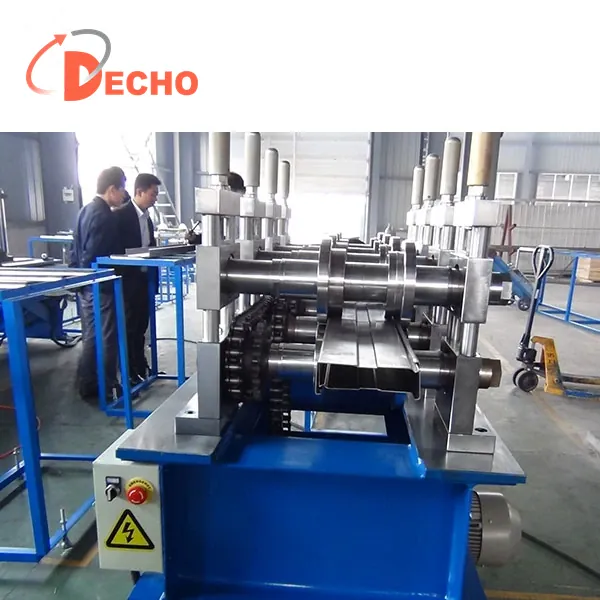
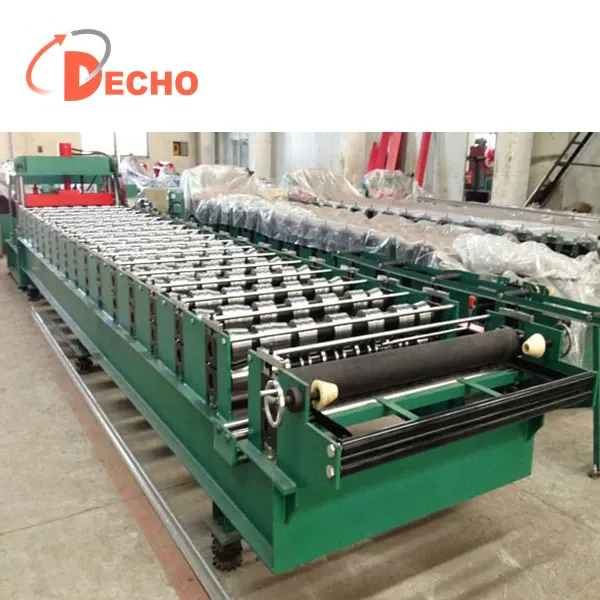
Portable Roll Forming Machine
A Portable Roll Forming Machine is great for on - site projects. Its portability allows you to produce metal parts right at the construction site, reducing transportation costs and waste. Since you can produce the exact amount of parts needed on - site, there's less chance of over - production and scrap.
C Purlin Machine
The C Purlin Machine is specifically designed to produce C - shaped purlins. These machines are highly efficient, but they still generate some waste. By using the waste reduction strategies mentioned above, you can minimize the scrap metal produced during the production of C - purlins.
Roof Roll Forming Machine
A Roof Roll Forming Machine is used to make roofing sheets. These machines often produce long, continuous sheets, and any mistakes in the forming process can result in a large amount of waste. That's why it's crucial to have proper quality control and machine optimization when using a roof roll forming machine.
Conclusion
Dealing with the waste generated during the operation of a metal roll forming machine is an important part of running an efficient and environmentally - friendly manufacturing business. By recycling, reusing, and implementing waste reduction strategies, you can minimize the amount of waste and save money in the long run.
If you're in the market for a metal roll forming machine or need more advice on waste management, feel free to reach out. We're here to help you make the most of your manufacturing process and keep your waste under control.
References
- "Metal Recycling Handbook" - A comprehensive guide on metal recycling processes and best practices.
- "Coolant Management in Metalworking" - A technical paper on the proper management and disposal of coolant waste.