How to ensure the accuracy of the profiles produced by a metal roofing roll former?
As a supplier of Metal Roofing Roll Formers, I understand the critical importance of ensuring the accuracy of the profiles produced by these machines. In the metal roofing industry, precision is not just a preference; it's a necessity for meeting customer expectations, maintaining high - quality standards, and ensuring structural integrity. In this article, I'll share some of the key practices and strategies we use to guarantee the accuracy of the profiles from our metal roofing roll formers.
1. Machine Design and Manufacturing
At the heart of producing accurate profiles lies the design and manufacturing of the metal roofing roll former itself. We invest heavily in research and development to create machines that are engineered for precision. Our design team uses advanced computer - aided design (CAD) software to create detailed 3D models of the roll former. This allows us to simulate the roll - forming process and optimize the geometry of the rolls and the overall machine layout before manufacturing.
During the manufacturing process, we use high - quality materials for the construction of the roll former. The rolls, which are the key components that shape the metal, are made from hardened steel or other durable alloys. This ensures that they can withstand the high pressures and repeated use without deforming, which is essential for maintaining the accuracy of the profiles over time.
2. Calibration and Setup
Proper calibration and setup of the metal roofing roll former are crucial steps in achieving accurate profiles. Before starting production, we perform a comprehensive calibration process. This includes checking and adjusting the alignment of the rolls, the speed of the machine, and the tension of the metal strip.
We use precision measuring tools such as laser alignment systems and micrometers to ensure that the rolls are perfectly aligned. Misaligned rolls can cause the metal to be formed unevenly, resulting in profiles with inconsistent dimensions. Additionally, the speed of the roll former must be carefully calibrated. If the machine runs too fast, the metal may not be formed correctly, and if it runs too slow, it can lead to inefficiencies and potential material waste.
The tension of the metal strip is also a critical factor. If the tension is too high, it can cause the metal to stretch or break, while too low tension can result in loose or wrinkled profiles. By carefully controlling these variables during the setup process, we can significantly improve the accuracy of the profiles produced.
3. Quality Control Checks
Throughout the production process, we implement a rigorous quality control system to monitor the accuracy of the profiles. Our quality control team conducts regular inspections at various stages of production. They use a variety of measurement techniques, including dimensional inspection, visual inspection, and mechanical property testing.
Dimensional inspection involves measuring the key dimensions of the profiles, such as width, height, and thickness, using precision measuring instruments. These measurements are compared against the design specifications to ensure that the profiles are within the acceptable tolerance limits. Visual inspection is also important to check for surface defects, such as scratches, dents, or unevenness, which can affect the appearance and performance of the metal roofing.
In addition to these inspections, we also conduct mechanical property testing, such as tensile strength and hardness tests, to ensure that the profiles meet the required strength and durability standards. Any profiles that do not meet the quality criteria are immediately removed from the production line and either re - worked or scrapped.
4. Operator Training
Well - trained operators are essential for maintaining the accuracy of the profiles produced by the metal roofing roll former. We provide comprehensive training programs for our operators, which cover all aspects of the roll - forming process, from machine operation and setup to quality control.
During the training, operators learn about the different types of metal materials, the specific requirements of each profile, and how to troubleshoot common problems. They are also trained on the proper use of the quality control equipment and procedures. By having a skilled and knowledgeable workforce, we can ensure that the machines are operated correctly, and any potential issues are identified and resolved quickly, minimizing the risk of producing inaccurate profiles.
5. Maintenance and Upgrades
Regular maintenance of the metal roofing roll former is vital for ensuring its long - term accuracy. We have a detailed maintenance schedule that includes tasks such as cleaning, lubricating, and inspecting the machine's components. Cleaning the rolls and other parts of the machine helps to prevent the buildup of debris and contaminants, which can affect the forming process.
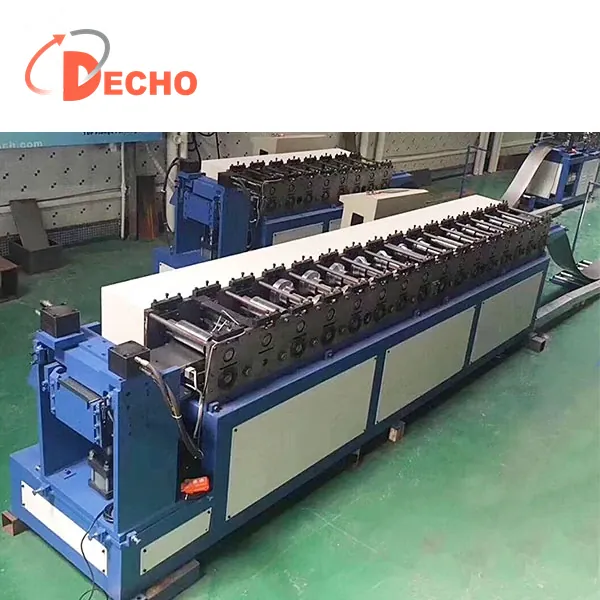
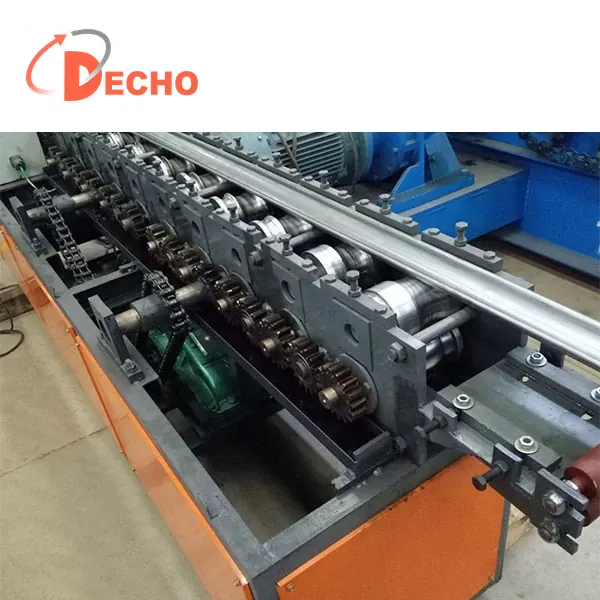
Lubrication is also important to reduce friction and wear on the moving parts, ensuring smooth operation and extending the lifespan of the machine. Additionally, we conduct regular inspections of the machine's electrical and mechanical systems to identify any potential problems before they cause significant issues.
In addition to maintenance, we also invest in periodic upgrades to our roll formers. This may include upgrading the software to improve the control and automation of the machine, or replacing worn - out components with more advanced parts. These upgrades can help to improve the accuracy and efficiency of the roll - forming process over time.
Related Products
If you are also interested in other roll - forming machines, we offer a range of high - quality products. For example, our Shutter Door Roll Forming Machine is designed to produce precise and durable shutter door profiles. Our Door Frame Making Machine is capable of creating door frames with high accuracy and efficiency. And our CZ Purlin Forming Machine is ideal for producing C and Z - shaped purlins used in construction.
Conclusion
Ensuring the accuracy of the profiles produced by a metal roofing roll former requires a comprehensive approach that encompasses machine design, calibration, quality control, operator training, and maintenance. By following these best practices, we as a Metal Roofing Roll Former supplier can consistently deliver high - quality profiles that meet the stringent requirements of our customers.
If you are in the market for a metal roofing roll former or have any questions about our products and services, we encourage you to contact us for further discussion and potential procurement. We are committed to providing you with the best solutions for your metal roofing production needs.
References
- "Roll Forming Technology Handbook" by the Roll Forming Association
- "Metal Forming: Processes and Analysis" by Dieter K. Matthes
- Industry - specific research papers on metal roofing roll - forming accuracy and quality control.