As a supplier of Cold Roll Forming Machinery, ensuring the safety of our equipment during transportation is of utmost importance. Cold roll forming machinery is not only expensive but also complex in structure, and any damage during transportation can lead to significant losses for both us and our customers. In this blog, I will share some key strategies and best practices on how to ensure the safety of cold roll forming machinery during transportation.
Pre - transportation Preparation
Thorough Inspection
Before the machinery is loaded onto the transport vehicle, a comprehensive inspection is essential. We need to check every component of the cold roll forming machine, including the frame, rollers, motors, and control systems. Any loose parts should be tightened, and damaged components should be repaired or replaced. For example, if the rollers have signs of wear or damage, they need to be fixed or swapped out to prevent further problems during transit. This inspection helps to identify potential issues that could be exacerbated by the vibrations and movements during transportation.
Disassembly and Packaging
For large - scale cold roll forming machinery, partial disassembly may be necessary. Components that are more vulnerable to damage, such as electronic control panels and precision rollers, should be carefully removed and packed separately. Use high - quality packaging materials, such as wooden crates, foam padding, and anti - static bags. The wooden crates provide a sturdy outer layer to protect the components from external impacts, while the foam padding absorbs shocks. Anti - static bags are crucial for electronic parts to prevent electrostatic damage.
Let's take the Cable Tray Manufacturing Machine as an example. Its control system contains sensitive electronic elements. We would disassemble the control panel, place it in an anti - static bag, and then secure it in a foam - lined wooden crate. This way, we can minimize the risk of damage to these important components during transportation.
Documentation
Proper documentation is also a key part of pre - transportation preparation. We should create a detailed inventory list of all the components of the cold roll forming machinery, including their specifications and quantities. This list will help in tracking the components during transportation and also in case of any disputes. Additionally, we need to provide operation manuals, maintenance guides, and safety instructions to the transportation company so that they have a better understanding of the machinery's characteristics and handling requirements.
Selection of Transportation Mode
Road Transportation
Road transportation is a common choice for transporting cold roll forming machinery, especially for short - to medium - distance deliveries. When choosing a road transport company, we should look for those with experience in transporting heavy and large - sized equipment. The trucks used should be in good condition, with proper suspension systems to reduce vibrations.

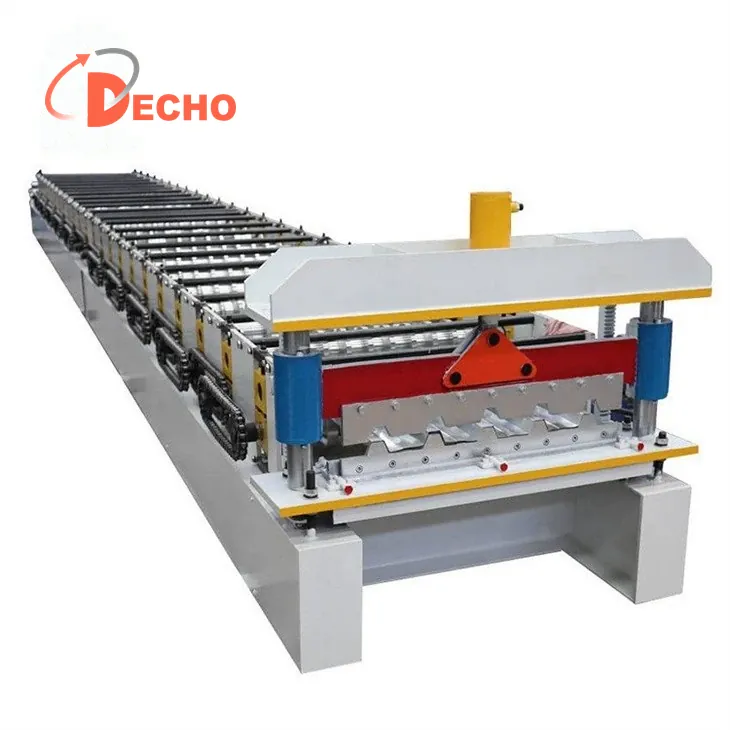
We also need to ensure that the trucks are equipped with secure fastening devices. Straps and chains are commonly used to secure the machinery to the truck bed. The straps should be tightened properly to prevent the machinery from shifting during transit. For example, for a Rolling Shutter Strip Making Machine, which is relatively large in size, multiple straps should be used to firmly secure it in place.
Sea Transportation
For international shipments, sea transportation is often the preferred option. However, sea transportation exposes the machinery to more challenging environmental conditions, such as saltwater corrosion and rough sea waves. We need to choose a reliable shipping line with a good track record in transporting industrial equipment.
The machinery should be loaded into a suitable shipping container. The container should be sealed properly to prevent water ingress. Inside the container, additional bracing and support may be required to keep the machinery stable. For instance, if we are shipping an Ibr Roof Sheet Forming Machine overseas, we would place it on a wooden pallet inside the container and use wooden blocks to brace it on all sides.
In - transit Monitoring
Real - time Tracking
With the development of technology, real - time tracking systems can be used to monitor the location and condition of the cold roll forming machinery during transportation. GPS trackers can be installed on the transport vehicle or directly on the machinery. This allows us to know the exact location of the equipment at any time and also helps in case of any unexpected delays or deviations from the planned route.
Vibration and Shock Sensors
In addition to GPS trackers, vibration and shock sensors can be attached to the machinery. These sensors can detect excessive vibrations and shocks that may occur during transportation. If the sensors detect abnormal levels of vibration or shock, an alarm can be sent to us and the transportation company. This enables us to take timely measures, such as checking the fastening devices or adjusting the transportation route.
Handling at Destination
Unloading
When the cold roll forming machinery arrives at the destination, proper unloading procedures must be followed. Use appropriate lifting equipment, such as cranes or forklifts, that are suitable for the weight and size of the machinery. The operators of the lifting equipment should be well - trained to ensure safe unloading.
Reassembly and Testing
After unloading, the machinery needs to be reassembled according to the disassembly records. All the components should be carefully installed in the correct positions. Once the reassembly is completed, a comprehensive testing process should be carried out. Check the operation of all the functions of the machinery, including the movement of the rollers, the operation of the motors, and the accuracy of the control systems. Only after passing the testing can the machinery be handed over to the customer.
Conclusion
Ensuring the safety of cold roll forming machinery during transportation is a multi - step process that requires careful planning and execution. From pre - transportation preparation to handling at the destination, every step is crucial. By following the strategies and best practices mentioned above, we can minimize the risk of damage to the machinery and ensure that our customers receive high - quality and fully functional equipment.
If you are interested in our Cold Roll Forming Machinery, including the Cable Tray Manufacturing Machine, Rolling Shutter Strip Making Machine, and Ibr Roof Sheet Forming Machine, please feel free to contact us for more information and to start a procurement negotiation.
References
- "Industrial Equipment Transportation Handbook", published by a leading industry association.
- "Best Practices in Machinery Packaging and Shipping", an industry - specific research report.