Hey there! As a supplier in the sheet roll forming business, I've seen firsthand how important it is for roll-formed products to have good corrosion resistance. Corrosion can really mess up the quality and lifespan of these products, which is a big deal for both us suppliers and our customers. So, I'm gonna share some tips on how to improve the corrosion resistance of sheet roll-formed products.
Understanding the Enemy: What Causes Corrosion?
Before we dive into solutions, let's quickly talk about what causes corrosion in the first place. Corrosion is basically a chemical reaction between a metal and its environment. For roll-formed products, factors like moisture, oxygen, and certain chemicals in the air or on surfaces can trigger this reaction.
Moisture is a major culprit. When water comes into contact with metal, it can start a process that leads to rust. Oxygen in the air also plays a role, as it can react with the metal to form metal oxides. And if there are any pollutants or corrosive substances in the environment, they can speed up this whole process.
Choosing the Right Material
One of the most important steps in improving corrosion resistance is choosing the right material from the start. Not all metals are created equal when it comes to fighting off corrosion.
Stainless Steel: This is a great option. Stainless steel contains chromium, which forms a thin, protective oxide layer on the surface of the metal. This layer acts as a barrier, preventing oxygen and moisture from reaching the underlying metal. It's highly resistant to corrosion, making it ideal for roll-formed products that will be exposed to harsh environments.
Galvanized Steel: Galvanized steel is regular steel that has been coated with a layer of zinc. The zinc coating provides a sacrificial layer of protection. When the zinc comes into contact with moisture and oxygen, it corrodes instead of the steel. This significantly extends the lifespan of the roll-formed product.
Surface Treatments
Once you've chosen the right material, surface treatments can further enhance corrosion resistance.
Painting: Applying a high-quality paint coating is a simple yet effective way to protect roll-formed products. The paint acts as a physical barrier, preventing moisture and oxygen from reaching the metal surface. There are different types of paints available, such as epoxy and polyurethane paints, which offer different levels of protection. Make sure to prepare the surface properly before painting to ensure good adhesion.
Powder Coating: Powder coating is another popular option. It involves applying a dry powder to the metal surface and then heating it to form a hard, durable coating. Powder coating is more environmentally friendly than traditional painting methods and provides excellent corrosion resistance. It also gives a smooth, uniform finish.
Anodizing: This treatment is mainly used for aluminum roll-formed products. Anodizing creates a thick, protective oxide layer on the surface of the aluminum. This layer is not only corrosion-resistant but also provides good wear resistance. It can also be dyed to give the product a decorative finish.
Using Advanced Roll Forming Techniques
At our company, we've invested in some really cool roll forming machines that can help improve the corrosion resistance of our products.
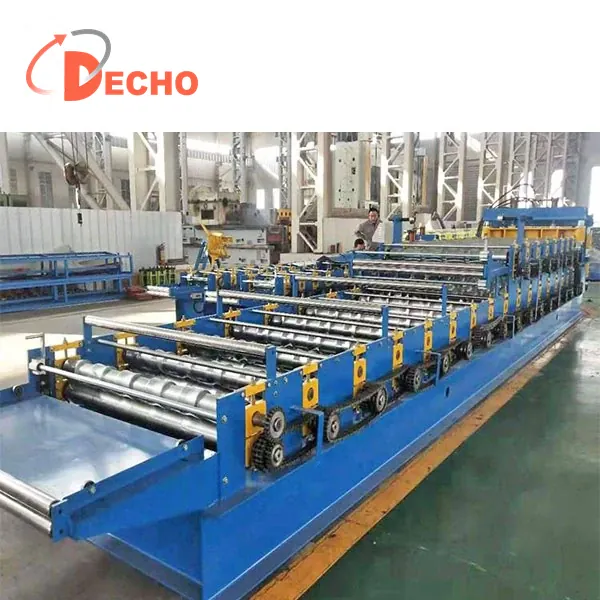
The Double Layer Roll Forming Machine is one of our favorites. This machine allows us to produce roll-formed products with two layers of material. By using different materials for each layer, we can create a product that combines the strength of one material with the corrosion resistance of another.
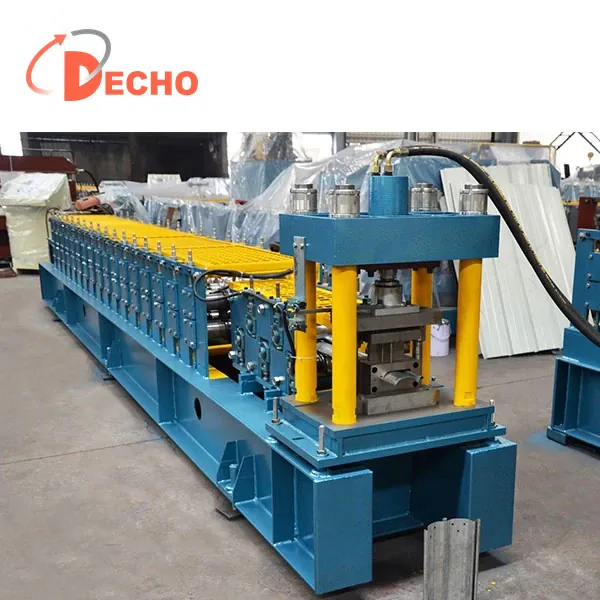
The Roller Shutter Door Machine is also great. It's designed to produce high-quality roller shutter doors with excellent corrosion resistance. The machine uses precision roll forming techniques to ensure a tight fit and smooth finish, which helps prevent moisture from seeping in.
And then there's the Corrugated Steel Sheet Making Machine. This machine produces corrugated steel sheets that are commonly used in roofing and wall applications. The corrugated design not only adds strength to the sheet but also helps with drainage, reducing the risk of water pooling and causing corrosion.
Quality Control and Maintenance
Even with the right materials and treatments, it's important to have a good quality control system in place. Regular inspections can help detect any signs of corrosion early on. We check our roll-formed products for things like surface defects, coating thickness, and adhesion.
Once the products are installed, proper maintenance is also crucial. This can include cleaning the products regularly to remove dirt and debris, which can trap moisture and accelerate corrosion. If any damage is found, it should be repaired immediately to prevent further corrosion.
Conclusion
Improving the corrosion resistance of sheet roll-formed products is a multi-step process. It starts with choosing the right material, followed by surface treatments and the use of advanced roll forming techniques. Quality control and maintenance also play important roles in ensuring the long-term performance of these products.
If you're in the market for high-quality, corrosion-resistant roll-formed products, we'd love to hear from you. Whether you need a custom solution or a standard product, we have the expertise and equipment to meet your needs. Just reach out to us, and we can start discussing your requirements. Let's work together to create products that stand the test of time!
References
- Jones, D. A. (1992). Principles and Prevention of Corrosion. Prentice Hall.
- Uhlig, H. H., & Revie, R. W. (1985). Corrosion and Corrosion Control: An Introduction to Corrosion Science and Engineering. Wiley.