Hey there! As a supplier of forming machines, I've seen firsthand how crucial it is to keep these machines running at their best. Whether you're in the business of making box beams, water tanks, or purlins, a well - performing forming machine can make all the difference in your production efficiency and bottom line. In this blog, I'm gonna share some tips on how to improve the performance of a forming machine.
Regular Maintenance
One of the most important things you can do to keep your forming machine in top shape is regular maintenance. Just like a car, if you don't take care of it, it's gonna break down sooner or later.
First off, clean the machine regularly. Dust, debris, and metal shavings can accumulate over time and cause all sorts of problems. They can clog up the moving parts, leading to increased friction and wear. Use a clean, dry cloth to wipe down the machine after each use. For hard - to - reach areas, you can use compressed air to blow out the dirt.
Next, lubrication is key. All the moving parts of the forming machine need proper lubrication to reduce friction and prevent premature wear. Check the lubrication levels regularly and top them up as needed. Make sure to use the right type of lubricant recommended by the machine's manufacturer. Different parts may require different types of lubricants, so don't just use any old oil you have lying around.
Inspect the machine for any signs of wear and tear. Look for loose bolts, worn - out belts, or damaged gears. If you notice anything amiss, replace the parts immediately. Ignoring small issues can lead to bigger problems down the road, which can be much more expensive to fix.
Operator Training
Another important factor in improving the performance of a forming machine is proper operator training. Even the best - designed machine won't perform well if the operator doesn't know how to use it correctly.
Make sure your operators are fully trained on the machine's operation, safety procedures, and maintenance requirements. Provide them with comprehensive training manuals and hands - on training sessions. Encourage them to ask questions and provide feedback. A well - trained operator can not only operate the machine more efficiently but also identify and troubleshoot problems quickly.
For example, when using a Box Beam Roll Forming Machine, operators need to know how to set up the machine correctly for different sizes and shapes of box beams. They should also be able to adjust the speed and pressure settings to ensure a high - quality finish.
Updating Software and Controls
In today's digital age, many forming machines come with advanced software and controls. These technologies can significantly improve the machine's performance and efficiency.
Keep the machine's software up - to - date. Software updates often include bug fixes, performance improvements, and new features. Check with the machine's manufacturer regularly for software updates and install them as soon as they're available.
Upgrading the controls of the forming machine can also make a big difference. Newer control systems offer more precise control over the machine's operation, allowing for better quality and consistency in the formed products. For instance, a modern control system can adjust the speed and position of the rollers in real - time, based on the material being processed.
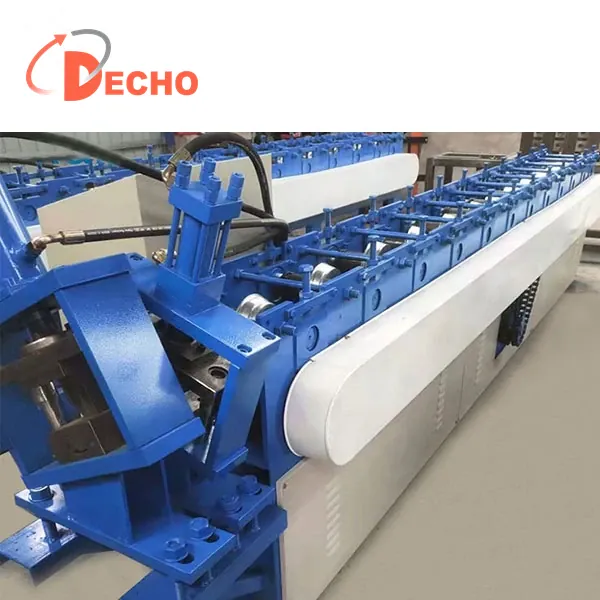
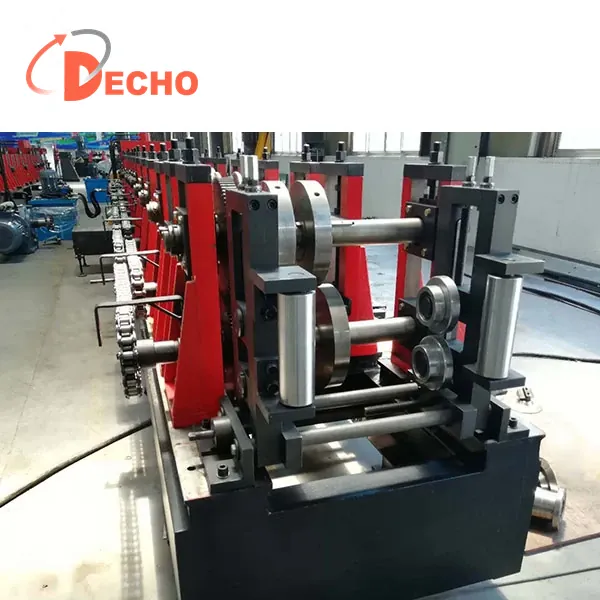
Optimizing Material Handling
The way you handle the materials going into the forming machine can also affect its performance.
First, make sure the materials are properly prepared before they enter the machine. This includes cleaning the materials, removing any surface contaminants, and ensuring they are cut to the correct size and shape. Using dirty or poorly prepared materials can cause jams in the machine and lead to poor - quality products.
Invest in a good material handling system. A proper material handling system can feed the materials into the machine smoothly and consistently, reducing the risk of misfeeds and jams. It can also help to improve the overall efficiency of the production process. For example, an automated material handling system can load and unload materials faster than manual labor, saving time and reducing the risk of human error.
Monitoring and Analytics
Monitoring the performance of the forming machine is crucial for identifying areas for improvement. Use sensors and monitoring systems to collect data on the machine's operation, such as temperature, pressure, speed, and power consumption.
Analyze this data regularly to identify trends and patterns. For example, if you notice that the machine's power consumption is increasing over time, it could be a sign of a problem, such as a worn - out motor or a clogged filter. By identifying these issues early, you can take corrective action before they cause major problems.
There are also many software tools available that can help you analyze the data and generate reports. These reports can provide valuable insights into the machine's performance and help you make informed decisions about maintenance, upgrades, and process improvements.
Matching the Machine to the Job
Not all forming machines are created equal, and it's important to choose the right machine for the job. If you're using a machine that's too small or too large for the task at hand, it's not gonna perform optimally.
For example, if you're making small - scale purlins, a Purlin Forming Machine specifically designed for that purpose will be much more efficient than a large - scale general - purpose forming machine. On the other hand, if you're producing large - volume water tanks, a Water Tank Machine will be the better choice.
Consider the production volume, the type of materials you'll be using, and the complexity of the products when choosing a forming machine. Make sure the machine has the right capacity, speed, and features to meet your production requirements.
Conclusion
Improving the performance of a forming machine requires a combination of regular maintenance, proper operator training, software updates, optimized material handling, monitoring and analytics, and choosing the right machine for the job. By following these tips, you can keep your forming machine running smoothly, improve the quality of your products, and increase your production efficiency.
If you're in the market for a new forming machine or looking to upgrade your existing one, I'd love to have a chat with you. I can help you find the right machine for your specific needs and provide you with all the support you need to keep it running at its best. Don't hesitate to reach out and start a conversation about your forming machine requirements.
References
- Manufacturer's manuals for forming machines
- Industry best practices for forming machine operation and maintenance
- Technical articles on forming machine performance optimization