In the manufacturing industry, roll former machines play a pivotal role in shaping metal sheets into various profiles for a wide range of applications. As a supplier of roll former machines, I understand the importance of producing high - quality profiles. In this blog, I will share some effective strategies to improve the quality of the profiles produced by a roll former machine.
1. Machine Selection and Maintenance
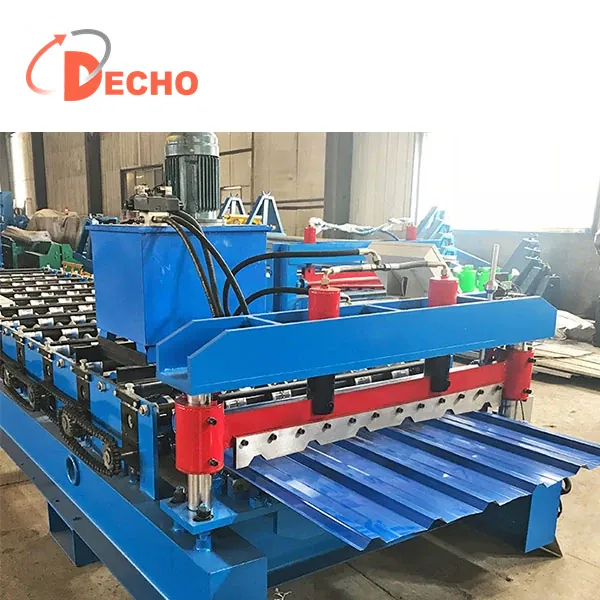
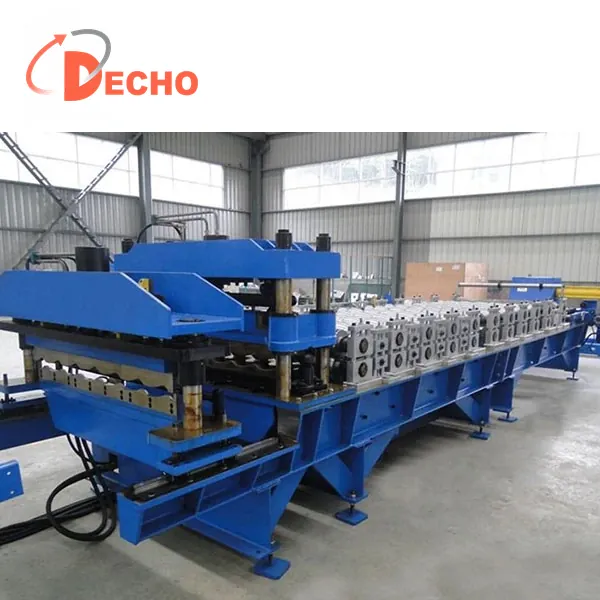
The first step in ensuring high - quality profile production is to select the right roll former machine. Different machines are designed for different types of profiles and materials. For instance, if you are looking to produce purlins, a Purlin Forming Machine would be the ideal choice. These machines are specifically engineered to create purlin profiles with precision and consistency.
Regular maintenance of the roll former machine is equally crucial. A well - maintained machine operates more efficiently and produces better - quality profiles. This includes cleaning the machine regularly to remove dirt, debris, and metal shavings that can accumulate during the forming process. Lubrication of moving parts is also essential to reduce friction and wear. Check the alignment of the rolls frequently, as misaligned rolls can lead to uneven profiles, warping, or other defects. Replace worn - out parts promptly to prevent further damage to the machine and ensure consistent profile quality.
2. Material Quality and Preparation
The quality of the input material has a direct impact on the quality of the final profile. Always source high - quality metal sheets from reliable suppliers. The material should have the appropriate thickness, hardness, and chemical composition for the intended application. For example, if you are producing profiles for structural applications, the material must meet the required strength and durability standards.
Before feeding the material into the roll former machine, it is important to prepare it properly. This may involve cleaning the surface of the metal sheet to remove any contaminants such as oil, grease, or rust. Straightening the material is also necessary to ensure that it enters the machine in a flat and uniform state. Any irregularities in the input material can cause problems during the forming process and result in poor - quality profiles.
3. Roll Design and Configuration
The design and configuration of the rolls are critical factors in determining the quality of the profiles. The rolls should be designed to match the specific profile requirements. This includes the shape, size, and radius of curvature of the profile. Precision - machined rolls ensure accurate forming and minimize the risk of defects such as wrinkling, cracking, or excessive thinning of the material.
Proper roll configuration is also essential. The rolls should be arranged in the correct sequence and spacing to gradually shape the metal sheet into the desired profile. The number of roll stands and the amount of deformation at each stand need to be carefully calculated to avoid over - stressing the material. Additionally, the rolls should be made of high - quality materials that can withstand the forces and pressures exerted during the forming process.
4. Process Optimization
Optimizing the roll forming process is key to improving profile quality. This involves adjusting various process parameters such as the speed of the machine, the pressure applied to the rolls, and the temperature of the material. The speed of the roll former machine should be set at an appropriate level. Too high a speed can cause the material to deform too quickly, leading to defects, while too low a speed can be inefficient and may also result in uneven forming.
The pressure applied to the rolls should be carefully controlled to ensure that the material is formed correctly without excessive force. This may require some experimentation and adjustment based on the type of material and the profile being produced. In some cases, heating the material can improve its formability, especially for certain types of metals. However, the temperature needs to be carefully regulated to avoid over - heating or other thermal damage.
5. Quality Control and Inspection
Implementing a comprehensive quality control and inspection system is essential to ensure that the profiles meet the required standards. This can include visual inspection of the profiles for obvious defects such as cracks, scratches, or uneven surfaces. Dimensional inspection using precision measuring tools such as calipers, micrometers, and coordinate measuring machines (CMMs) is also necessary to verify that the profiles have the correct dimensions.
In addition to in - process inspection, it is important to conduct final inspection of the finished profiles before they are shipped to the customer. This helps to identify any remaining defects and ensures that only high - quality products are delivered. Statistical process control (SPC) techniques can be used to monitor the quality of the profiles over time and detect any trends or variations in the production process.
6. Operator Training and Skill Development
The skills and knowledge of the machine operators have a significant impact on the quality of the profiles. Provide comprehensive training to the operators on how to operate the roll former machine correctly. This includes training on machine setup, process adjustment, material handling, and quality control procedures.
Encourage operators to develop their skills and knowledge through continuous learning and improvement. Provide them with access to industry resources, training courses, and technical support. Experienced and well - trained operators are more likely to produce high - quality profiles consistently and can also identify and troubleshoot problems quickly when they arise.
7. Use of Advanced Technologies
Incorporating advanced technologies into the roll forming process can significantly improve profile quality. For example, using computer - numerical - control (CNC) systems allows for more precise control of the machine's operations. CNC - controlled roll former machines can accurately adjust the speed, pressure, and other process parameters based on pre - programmed instructions. This results in more consistent and accurate profile production.
Automated inspection systems can also be used to detect defects in real - time during the forming process. These systems use sensors, cameras, and other technologies to monitor the profile quality and can immediately alert the operator if a defect is detected. This allows for prompt corrective action to be taken, reducing waste and improving overall productivity.
8. Application - Specific Considerations
Different applications may have specific requirements for the profile quality. For example, if the profiles are used in architectural applications, they may need to have a smooth and aesthetically pleasing surface finish. In this case, additional finishing processes such as painting, powder coating, or polishing may be required.
For profiles used in automotive or aerospace applications, high precision and strict quality control are essential. The profiles must meet very tight dimensional tolerances and have excellent mechanical properties. Understanding the specific requirements of the end - use application and tailoring the roll forming process accordingly is crucial to producing high - quality profiles that meet the customer's expectations.
9. Continuous Improvement
Finally, continuous improvement is an ongoing process in the pursuit of better profile quality. Regularly review and analyze the production process to identify areas for improvement. Collect feedback from customers, operators, and quality control personnel to understand the issues and challenges they face.
Implement corrective and preventive actions based on the analysis results. This may involve making changes to the machine settings, roll design, material selection, or process parameters. Keep up with the latest industry trends and technological advancements and be willing to invest in new equipment or techniques that can further improve the quality of the profiles.
Conclusion
Improving the quality of the profiles produced by a roll former machine requires a comprehensive approach that encompasses machine selection and maintenance, material quality and preparation, roll design and configuration, process optimization, quality control and inspection, operator training, use of advanced technologies, application - specific considerations, and continuous improvement. As a roll former machine supplier, I am committed to providing our customers with the best - in - class machines and support to help them achieve high - quality profile production.
If you are interested in purchasing a roll former machine or need further advice on improving profile quality, please feel free to contact us for a detailed discussion. We look forward to working with you to meet your profile production needs.
References
- "Roll Forming Technology Handbook" by Peter Groche
- "Metal Forming: Processes and Analysis" by Robert H. Wagoner and N. R. Chitkara
- Industry standards and guidelines related to roll forming and profile production.