In the manufacturing industry, the surface finish of products is a crucial factor that directly impacts both the aesthetic appeal and the functionality of the final goods. As a supplier of Metal Rollformer, I understand the significance of achieving an excellent surface finish in the products created by our machines. In this blog post, I will share some practical strategies and techniques that can help improve the surface finish of products made by a metal rollformer.
Understanding the Basics of Metal Roll Forming
Before delving into the methods of improving surface finish, it's essential to have a basic understanding of how metal roll forming works. Metal roll forming is a continuous bending operation in which a long strip of metal, typically coiled steel, is passed through consecutive sets of rolls, each performing an incremental part of the bend, until the desired cross-sectional shape is achieved. This process is widely used in various industries, including construction, automotive, and furniture manufacturing, due to its efficiency, precision, and ability to produce complex shapes.
The surface finish of roll-formed products can be affected by several factors, including the quality of the raw material, the design and condition of the roll tooling, the speed of the roll forming process, and the lubrication used. By addressing these factors, manufacturers can significantly enhance the surface quality of their products.
Selecting High-Quality Raw Materials
The quality of the raw material is the foundation for achieving a good surface finish. When selecting metal coils for roll forming, it's important to choose materials with a smooth surface and consistent thickness. Any surface defects, such as scratches, pits, or rust, on the raw material will be transferred to the final product during the roll forming process.
Additionally, the chemical composition of the metal can also affect the surface finish. For example, some metals are more prone to oxidation or corrosion, which can lead to discoloration or surface roughness. Therefore, it's crucial to select materials that are suitable for the intended application and have good corrosion resistance properties.
Optimizing Roll Tooling Design and Maintenance
The design and condition of the roll tooling play a vital role in determining the surface finish of roll-formed products. Well-designed roll tooling should have smooth surfaces and precise contours to ensure that the metal is formed accurately without causing excessive deformation or scratching.
Regular maintenance of the roll tooling is also essential to keep it in good condition. Over time, the roll surfaces can wear out, leading to surface roughness and uneven forming. By inspecting and regrinding the roll tooling regularly, manufacturers can extend its service life and maintain the quality of the surface finish.
Controlling the Roll Forming Speed
The speed of the roll forming process can have a significant impact on the surface finish of the products. If the speed is too high, the metal may not have enough time to deform properly, resulting in surface cracks, wrinkles, or unevenness. On the other hand, if the speed is too low, the production efficiency will be reduced.
Therefore, it's important to find the optimal roll forming speed for each specific application. This can be determined through trial and error or by using advanced process monitoring and control systems. By monitoring the process parameters in real-time, manufacturers can adjust the speed as needed to ensure a consistent and high-quality surface finish.
Using Appropriate Lubrication
Lubrication is another important factor in improving the surface finish of roll-formed products. A good lubricant can reduce friction between the metal and the roll surfaces, preventing scratches and galling. It can also help to dissipate heat generated during the roll forming process, which can prevent the metal from overheating and causing surface defects.
When selecting a lubricant, it's important to choose one that is compatible with the metal being formed and the roll tooling material. Different types of lubricants, such as oils, greases, and dry film lubricants, have different properties and applications. Therefore, it's necessary to select the most suitable lubricant based on the specific requirements of the roll forming process.
Implementing Post-Forming Treatments
In some cases, post-forming treatments can be used to further improve the surface finish of roll-formed products. These treatments can include processes such as polishing, plating, painting, or powder coating.
Polishing is a common post-forming treatment that can be used to remove surface roughness and create a smooth, shiny finish. Plating, such as chrome plating or nickel plating, can provide a protective and decorative layer on the surface of the metal. Painting or powder coating can also enhance the appearance of the product and provide additional protection against corrosion.
Case Studies: Improving Surface Finish in Specific Applications
To illustrate the effectiveness of the above strategies, let's take a look at some case studies in specific applications.
Steel Silo Roll Forming
Steel Silo Roll Forming Machine is used to produce steel silos for storing grains, cement, and other bulk materials. The surface finish of the steel silo panels is crucial for both the appearance and the corrosion resistance of the silos.
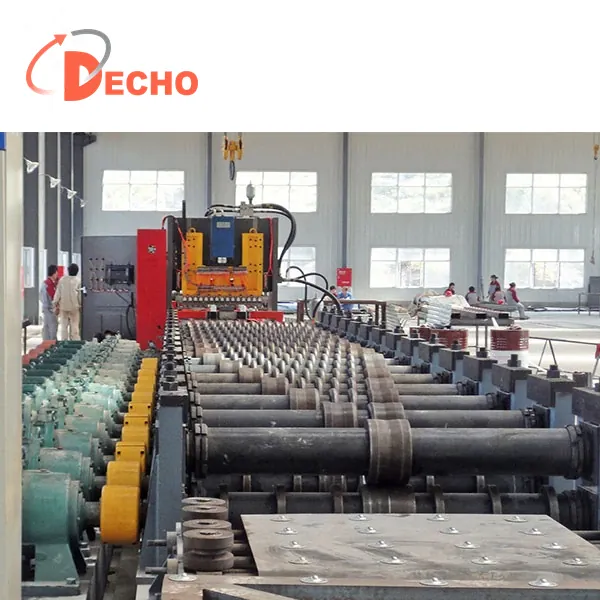
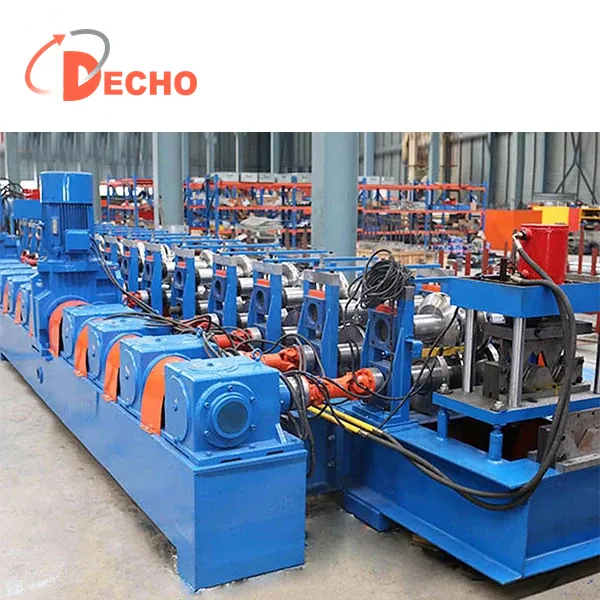
In a recent project, a customer was experiencing issues with surface scratches and unevenness on the steel silo panels produced by their roll forming machine. By implementing the following measures, we were able to significantly improve the surface finish:
- Selecting high-quality steel coils: We recommended the customer to use steel coils with a smooth surface and consistent thickness. This helped to eliminate surface defects on the raw material and reduce the transfer of these defects to the final product.
- Optimizing roll tooling design and maintenance: We redesigned the roll tooling to ensure smooth surfaces and precise contours. We also implemented a regular maintenance schedule to keep the roll tooling in good condition. This helped to reduce the occurrence of surface scratches and unevenness during the roll forming process.
- Using appropriate lubrication: We recommended the customer to use a high-quality lubricant that is specifically designed for steel roll forming. This helped to reduce friction between the metal and the roll surfaces, preventing scratches and galling.
- Implementing post-forming treatments: After the roll forming process, the steel silo panels were polished to remove any remaining surface roughness and create a smooth, shiny finish. This not only improved the appearance of the silos but also enhanced their corrosion resistance.
As a result of these measures, the customer was able to achieve a high-quality surface finish on their steel silo panels, which met their requirements and satisfied their customers.
Highway Guardrail Roll Forming
Highway Guardrail Roll Forming Machine is used to produce highway guardrails, which are an important safety feature on roads. The surface finish of the highway guardrails is crucial for both the appearance and the durability of the guardrails.
In another project, a customer was facing challenges with surface rust and discoloration on the highway guardrails produced by their roll forming machine. By implementing the following measures, we were able to effectively address these issues:
- Selecting high-quality galvanized steel coils: We recommended the customer to use galvanized steel coils with a thick and uniform zinc coating. This helped to provide excellent corrosion resistance and prevent rust and discoloration on the surface of the guardrails.
- Optimizing roll tooling design and maintenance: We optimized the roll tooling design to ensure that the guardrails were formed accurately without causing excessive deformation or scratching. We also implemented a regular maintenance schedule to keep the roll tooling in good condition. This helped to reduce the occurrence of surface defects during the roll forming process.
- Using appropriate lubrication: We recommended the customer to use a lubricant that is compatible with the galvanized steel and the roll tooling material. This helped to reduce friction between the metal and the roll surfaces, preventing scratches and galling.
- Implementing post-forming treatments: After the roll forming process, the highway guardrails were powder coated to provide an additional layer of protection against corrosion and to enhance their appearance. The powder coating also helped to improve the durability of the guardrails and make them more resistant to weathering.
As a result of these measures, the customer was able to produce highway guardrails with a high-quality surface finish that met the strict requirements of the highway construction industry.
Conclusion
Improving the surface finish of products made by a metal rollformer is a complex but achievable goal. By selecting high-quality raw materials, optimizing roll tooling design and maintenance, controlling the roll forming speed, using appropriate lubrication, and implementing post-forming treatments, manufacturers can significantly enhance the surface quality of their products.
As a supplier of Metal Rollformer, we are committed to providing our customers with the latest technologies and solutions to help them improve the surface finish of their products. If you are interested in learning more about our products and services, or if you have any questions or challenges related to metal roll forming, please feel free to contact us. We look forward to working with you to achieve your manufacturing goals.
References
- ASM Handbook, Volume 14A: Metalworking: Bulk Forming. ASM International.
- Roll Forming Technology Handbook. The Fabricator.
- Metal Forming Handbook: Processes and Applications. Carl Hanser Verlag.