In the manufacturing industry, the surface quality of profiles produced by a roll forming machine is of paramount importance. As a roll forming machine supplier, I understand the significance of delivering products with excellent surface finish. In this blog post, I will share some effective strategies to improve the surface quality of profiles produced by roll forming machines.
Understanding the Roll Forming Process
Before delving into the methods of enhancing surface quality, it is essential to have a basic understanding of the roll forming process. Roll forming is a continuous bending operation in which a long strip of metal, typically coiled steel, is passed through a series of rolls to gradually shape it into the desired cross - sectional profile. Each set of rolls makes a small incremental bend until the final shape is achieved.
The quality of the surface of the formed profile can be affected by various factors during this process, including the material properties, machine settings, and the condition of the rolls.
Material Selection
The choice of material is the first step in ensuring good surface quality. Different metals have different surface characteristics and formability. For example, steel with a high carbon content may be more prone to surface cracking during the roll forming process compared to low - carbon steel.
- Surface Finish of the Raw Material: Select raw materials with a smooth surface finish. Materials with scratches, rust, or other surface defects on the input will likely transfer these imperfections to the final formed profile. High - quality cold - rolled steel sheets often have a better initial surface condition than hot - rolled ones.
- Material Thickness and Width: Ensure that the thickness and width of the material are within the recommended range for the roll forming machine. Using materials that are too thick or too wide can cause excessive stress on the rolls and the material, leading to surface irregularities such as wrinkling or uneven deformation.
Machine Maintenance and Calibration
Proper maintenance and calibration of the roll forming machine are crucial for achieving high - quality surface finishes.
- Roll Maintenance: The rolls are the most critical components of the roll forming machine. Regularly inspect the rolls for wear, damage, or contamination. Worn - out rolls can leave marks or indentations on the surface of the profile. Clean the rolls regularly to remove any debris, dirt, or metal shavings that may accumulate during the forming process. Replace damaged or excessively worn rolls promptly.
- Machine Alignment: Misaligned rolls can cause uneven pressure distribution on the material, resulting in surface defects. Periodically check and adjust the alignment of the rolls to ensure that they are parallel and centered. This can be done using precision measuring tools and following the manufacturer's guidelines.
- Speed and Tension Control: Optimize the operating speed and tension of the roll forming machine. Running the machine too fast can lead to poor surface quality due to insufficient time for the material to deform properly. On the other hand, incorrect tension can cause the material to stretch or buckle, affecting the surface finish. Experiment with different speed and tension settings to find the optimal combination for the specific material and profile.
Lubrication
Lubrication plays a vital role in reducing friction between the rolls and the material, which in turn improves the surface quality of the formed profiles.
- Selection of Lubricants: Choose lubricants that are suitable for the specific metal being formed and the roll forming process. For example, some lubricants are designed for steel, while others are more appropriate for aluminum. The lubricant should have good anti - wear and anti - corrosion properties.
- Application Method: Apply the lubricant evenly on the surface of the material or the rolls. Some roll forming machines are equipped with automatic lubrication systems, which can ensure a consistent and proper amount of lubricant is applied. Manual lubrication can also be effective if done carefully.
Die Design and Tooling
The design of the rolls and other tooling components has a significant impact on the surface quality of the profiles.
- Proper Contour Design: The rolls should be designed with a proper contour that matches the shape of the desired profile. A well - designed roll contour can ensure smooth and uniform deformation of the material, reducing the likelihood of surface defects.
- Tooling Materials: Use high - quality tooling materials that can withstand the forces and wear during the roll forming process. Hardened steel or carbide - tipped rolls are often preferred for their durability and ability to maintain a smooth surface finish.
Quality Control and Inspection
Implementing a comprehensive quality control and inspection system is essential to identify and correct surface quality issues early in the production process.
- In - process Inspection: Conduct regular in - process inspections to check the surface quality of the profiles as they are being formed. This can involve visual inspection, as well as using measuring tools such as surface roughness testers to detect any deviations from the desired surface finish.
- Final Inspection: Perform a final inspection of the completed profiles before they are shipped. This can include a more detailed examination of the surface, checking for any remaining defects, and ensuring that the profiles meet the specified quality standards.
Case Studies and Product Recommendations
To further illustrate the importance of improving surface quality, let's take a look at some of our products.
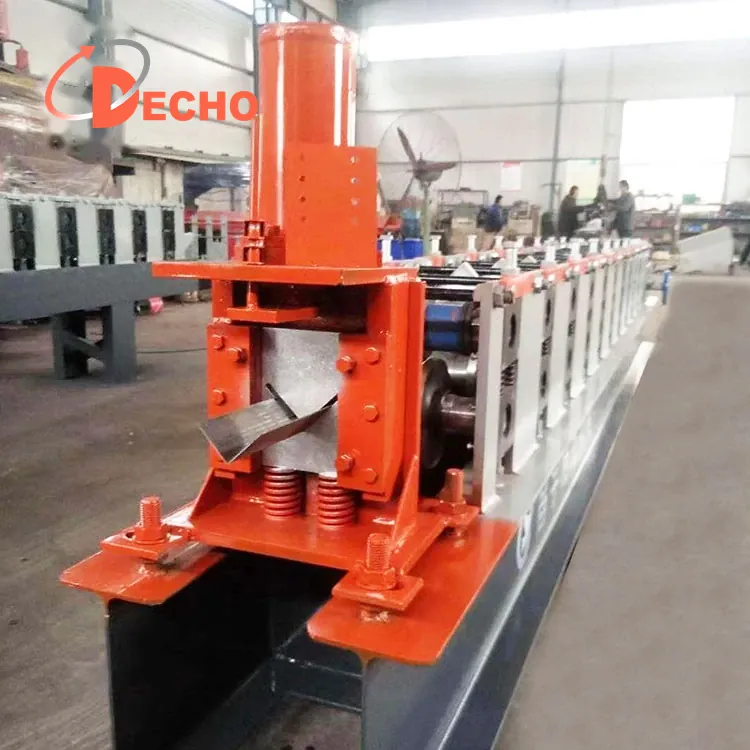
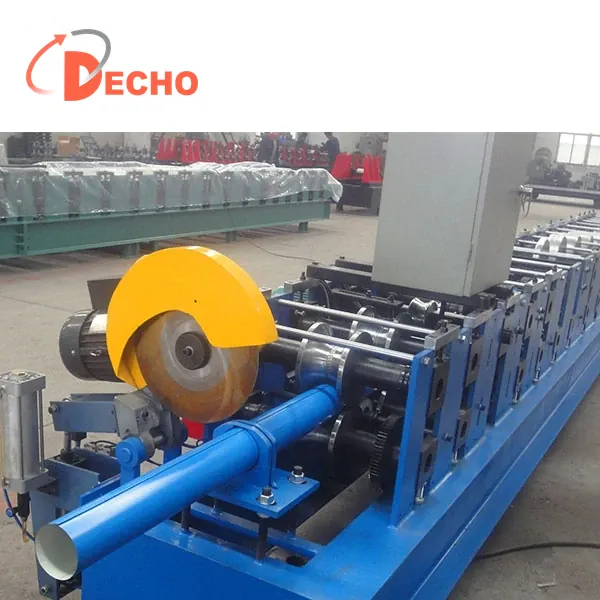
- Downspout Pipe Roll Forming Machine: Our Downspout Pipe Roll Forming Machine is designed to produce high - quality downspout pipes with excellent surface finish. By using advanced roll design and precise machine calibration, we can ensure that the pipes have a smooth and uniform surface, which is not only aesthetically pleasing but also more resistant to corrosion.
- Angle Forming Machine: The Angle Forming Machine from our company can form angle profiles with a high - quality surface. Through proper material selection, lubrication, and roll maintenance, we can minimize surface defects such as scratches and dents, making the angle profiles suitable for a wide range of applications.
- CZ Purlin Roll Forming Machine: Our CZ Purlin Roll Forming Machine is capable of producing C - and Z - shaped purlins with a superior surface finish. By optimizing the machine settings and using high - quality tooling, we can ensure that the purlins have a smooth and flat surface, which is essential for their structural performance and appearance.
Conclusion
Improving the surface quality of profiles produced by a roll forming machine requires a comprehensive approach that includes material selection, machine maintenance, lubrication, die design, and quality control. As a roll forming machine supplier, we are committed to providing our customers with high - quality machines and solutions that can help them achieve excellent surface finishes for their profiles.
If you are interested in our roll forming machines or have any questions about improving the surface quality of your profiles, please feel free to contact us for further discussion and potential procurement. We look forward to working with you to meet your manufacturing needs.
References
- ASM Handbook, Volume 14A: Metalworking: Bulk Forming. ASM International.
- Roll Forming Handbook: A Guide to Process Technology. Society of Manufacturing Engineers.