Hey there! As a supplier of Steel Roll Forming Machines, I've seen my fair share of issues that customers run into. One of the most common problems is steel strip slipping in the roll forming machine. It can be a real headache, causing production delays, quality issues, and even safety hazards. In this blog post, I'm going to share some tips on how to prevent the steel strip from slipping in a roll forming machine.
Understanding the Causes of Steel Strip Slipping
Before we dive into the solutions, it's important to understand why steel strip slipping occurs in the first place. There are several factors that can contribute to this problem:
- Insufficient Friction: If the friction between the steel strip and the rolls is too low, the strip can slip. This can happen if the rolls are worn, dirty, or have a smooth surface.
- Incorrect Tension: If the tension on the steel strip is too high or too low, it can cause slipping. Too much tension can stretch the strip and cause it to slip, while too little tension can allow the strip to move freely.
- Improper Alignment: If the steel strip is not properly aligned with the rolls, it can cause uneven pressure and slipping. This can happen if the machine is not set up correctly or if the strip is fed into the machine at an angle.
- Material Properties: The properties of the steel strip, such as its thickness, width, and surface finish, can also affect its tendency to slip. For example, a thin or smooth strip may be more likely to slip than a thick or rough strip.
Tips for Preventing Steel Strip Slipping
Now that we understand the causes of steel strip slipping, let's look at some tips for preventing it:
1. Maintain the Rolls
The rolls are the most important part of the roll forming machine, and keeping them in good condition is essential for preventing steel strip slipping. Here are some tips for maintaining the rolls:
- Clean the Rolls Regularly: Dirt, debris, and lubricants can build up on the rolls over time, reducing their friction and causing slipping. Clean the rolls regularly using a mild detergent and a soft cloth.
- Inspect the Rolls for Wear: Check the rolls for signs of wear, such as cracks, chips, or uneven surfaces. If the rolls are worn, they should be replaced immediately to prevent slipping.
- Use the Right Roll Material: The material of the rolls can also affect their friction and durability. Choose rolls made of a high-quality material, such as hardened steel or carbide, to ensure maximum friction and wear resistance.
2. Adjust the Tension
Proper tension is crucial for preventing steel strip slipping. Here are some tips for adjusting the tension:
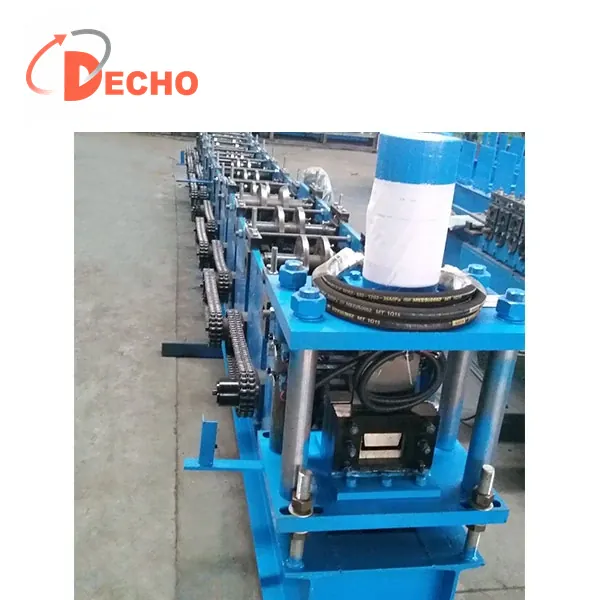
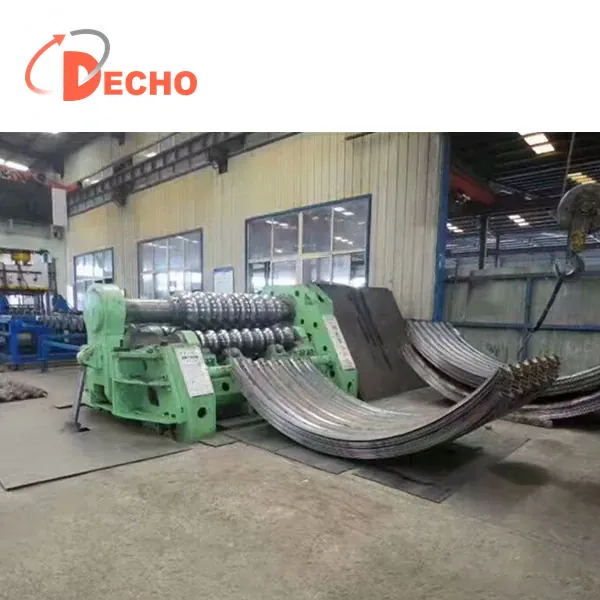
- Use a Tension Controller: A tension controller can help you maintain a consistent tension on the steel strip, preventing it from slipping. Make sure the tension controller is set to the correct tension for the material and thickness of the strip.
- Check the Tension Regularly: Check the tension on the steel strip regularly using a tension gauge. If the tension is too high or too low, adjust it accordingly.
- Avoid Over-Tightening: Over-tightening the steel strip can cause it to stretch and slip. Make sure the tension is set to the correct level for the material and thickness of the strip.
3. Ensure Proper Alignment
Proper alignment is essential for preventing steel strip slipping. Here are some tips for ensuring proper alignment:
- Check the Machine Setup: Make sure the roll forming machine is set up correctly and that the rolls are properly aligned. Check the alignment of the rolls using a straightedge or a laser alignment tool.
- Feed the Strip Straight: Feed the steel strip into the machine straight and at the correct angle. Avoid feeding the strip at an angle, as this can cause uneven pressure and slipping.
- Use Guide Rails: Guide rails can help keep the steel strip in place and prevent it from slipping. Make sure the guide rails are properly adjusted and aligned with the rolls.
4. Consider the Material Properties
The properties of the steel strip can also affect its tendency to slip. Here are some tips for considering the material properties:
- Choose the Right Material: Choose a steel strip with the right thickness, width, and surface finish for your application. A thicker or rougher strip may be less likely to slip than a thinner or smoother strip.
- Pre-Treat the Strip: Pre-treating the steel strip, such as by applying a coating or a lubricant, can help improve its friction and prevent slipping.
- Test the Material: Before using a new type of steel strip in your roll forming machine, test it to see how it performs. This can help you determine if any adjustments need to be made to prevent slipping.
Additional Resources
If you're interested in learning more about roll forming machines or preventing steel strip slipping, here are some additional resources:
- CZ Purlin Forming Machine: This machine is designed to produce C and Z purlins, which are commonly used in the construction industry.
- Metal Rollformer: This machine is used to form metal sheets into various shapes and sizes.
- Stainless Steel Water Tank Making Machine: This machine is used to produce stainless steel water tanks, which are commonly used in the water storage industry.
Conclusion
Preventing steel strip slipping in a roll forming machine is essential for ensuring efficient and high-quality production. By maintaining the rolls, adjusting the tension, ensuring proper alignment, and considering the material properties, you can reduce the risk of slipping and improve the performance of your roll forming machine. If you have any questions or need further assistance, please don't hesitate to contact us. We're here to help you find the right solution for your needs.
References
- "Roll Forming Technology Handbook" by Peter Ulintz
- "Metal Forming Handbook" by George E. Dieter
- "Steel Strip Processing: Principles and Practice" by John F. Wallace