Training operators for a profile forming machine is a crucial process that directly impacts the efficiency, quality, and safety of production. As a supplier of Profile Forming Machines, I understand the significance of providing comprehensive training to ensure that operators can fully utilize the capabilities of our equipment. In this blog, I will share some effective strategies and steps on how to train operators for a profile forming machine.
1. Pre - training Preparation
Before starting the actual training, it is essential to make thorough preparations. First, gather all relevant materials such as the machine's user manual, safety guidelines, and operation procedures. These materials should be well - organized and easily accessible for operators.
Secondly, assess the operators' existing knowledge and skills. This can be done through a simple questionnaire or an interview. Understanding their background in machinery operation, metalworking, or related fields will help tailor the training program to their specific needs. For example, if an operator has prior experience with basic metal cutting machines, the training can focus more on the unique features of the profile forming machine.
2. Introduction to the Profile Forming Machine
The initial stage of training involves introducing the operators to the profile forming machine. Explain the basic components of the machine, such as the frame, rollers, drive system, and control panel. Use visual aids like diagrams or actual machine demonstrations to make the learning process more intuitive.
Describe the different types of profile forming machines available in the market and how our specific machine stands out. For instance, our Roll Former Machine is designed with advanced technology that offers high precision and efficiency. Point out the machine's key features, such as its adjustable speed, customizable profile settings, and safety mechanisms.
3. Safety Training
Safety should always be the top priority when operating a profile forming machine. Provide comprehensive safety training to operators. Teach them about the potential hazards associated with the machine, such as moving parts, sharp edges, and electrical risks.
Demonstrate the proper use of personal protective equipment (PPE), including safety glasses, gloves, and ear protection. Explain the emergency stop procedures and the location of safety switches on the machine. Conduct regular safety drills to ensure that operators can respond quickly in case of an emergency.
4. Machine Operation Training
4.1 Loading and Unloading Materials
Show operators how to correctly load the raw materials onto the machine. This includes aligning the materials properly to ensure accurate profile forming. Explain the importance of using the right type and size of materials for the specific profile being produced.
Demonstrate the unloading process as well. Teach operators how to handle the finished profiles safely without causing damage to the products or the machine.
4.2 Setting Up the Machine
Train operators on how to set up the machine for different profile requirements. This involves adjusting the rollers, setting the speed, and programming the control panel. Provide step - by - step instructions on how to input the profile dimensions and other relevant parameters.
For example, if the operator needs to produce a specific angle profile using our Angle Forming Machine, they need to know how to adjust the rollers to achieve the correct angle and how to set the appropriate speed for smooth operation.
4.3 Monitoring the Production Process
Teach operators how to monitor the production process during operation. Explain how to check for any signs of malfunction, such as unusual noises, vibrations, or deviations in the profile quality. Show them how to make minor adjustments on the fly to ensure consistent product quality.
Encourage operators to keep a production log, recording important information such as production speed, material usage, and any issues encountered during the process. This log can be useful for troubleshooting and continuous improvement.
5. Maintenance and Troubleshooting Training
Proper maintenance is essential for the long - term performance of the profile forming machine. Train operators on basic maintenance tasks, such as cleaning the machine, lubricating the moving parts, and inspecting the electrical connections regularly.
Provide a troubleshooting guide to operators. Teach them how to identify common problems, such as roller wear, misalignment, or electrical failures, and how to take appropriate corrective actions. For example, if the machine is producing uneven profiles, operators should know how to check the roller alignment and make the necessary adjustments.
6. Hands - on Practice
Theory alone is not enough. Provide ample hands - on practice opportunities for operators. Start with simple profile forming tasks and gradually increase the complexity as they gain more confidence and skills.
Supervise the operators during the practice sessions, providing immediate feedback and guidance. This will help them correct any mistakes quickly and improve their performance.
7. Quality Control Training
Quality control is an integral part of the profile forming process. Train operators on how to perform quality inspections on the finished profiles. Teach them about the key quality indicators, such as dimensional accuracy, surface finish, and straightness.
Show operators how to use measuring tools, such as calipers, micrometers, and straightedges, to check the profiles against the specified standards. Explain the importance of rejecting any defective products and the procedures for handling them.
8. Continuous Learning and Support
The field of profile forming technology is constantly evolving. Encourage operators to engage in continuous learning. Provide access to updated training materials, industry news, and technological advancements.
Establish a support system where operators can seek help whenever they encounter difficulties. This can include a dedicated technical support team or an online forum where operators can share their experiences and learn from each other.
Conclusion
Training operators for a profile forming machine is a multi - faceted process that requires careful planning and execution. By following the steps outlined above, you can ensure that your operators are well - trained to operate the machine safely, efficiently, and with high - quality output.
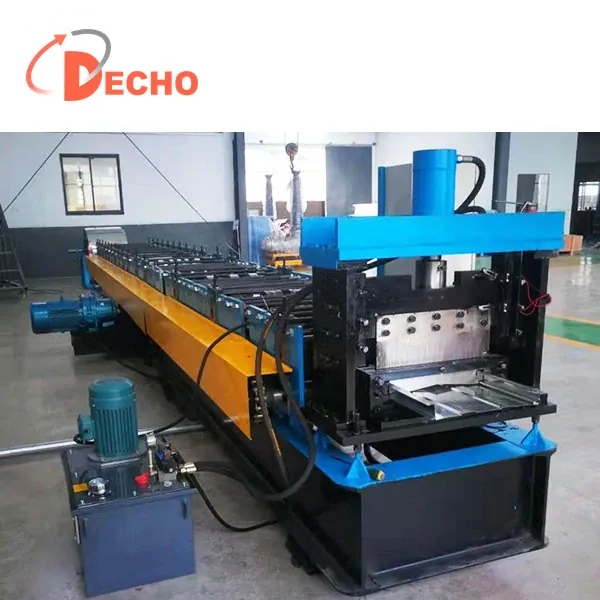
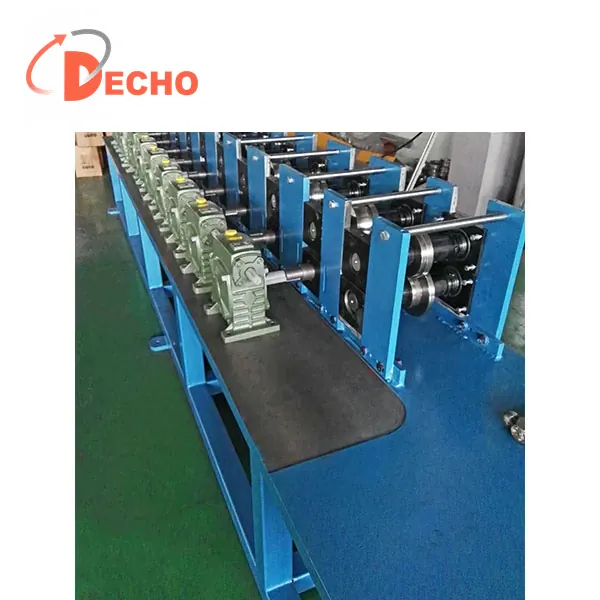
If you are interested in our Door Frame Roll Forming Machine or other profile forming machines, and would like to learn more about our training programs or discuss potential procurement, please feel free to contact us. We are committed to providing you with the best products and services to meet your production needs.
References
- "Roll Forming Handbook" by Thomas A. Mikesell
- Industry standards and guidelines for profile forming machine operation and safety