Hey there! I'm a supplier of Cold Roll Forming Machines, and I know that these machines can sometimes throw you a curveball. But don't worry, I've got your back. In this blog, I'll walk you through how to troubleshoot a Cold Roll Forming Machine like a pro.
1. Understanding the Basics
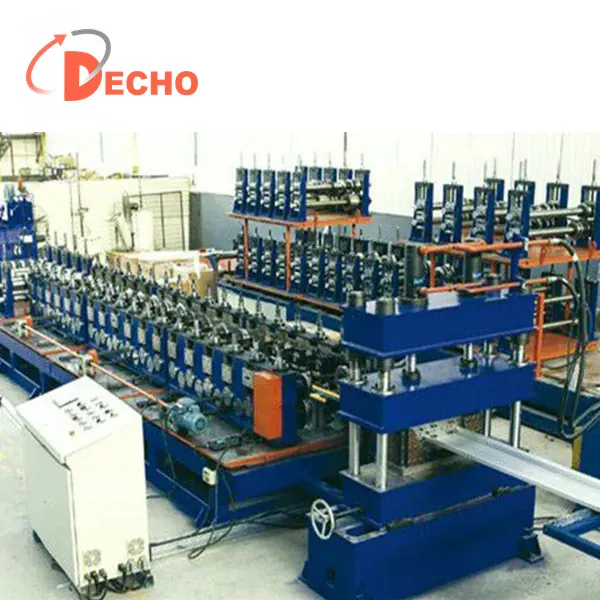
First things first, let's quickly go over what a Cold Roll Forming Machine does. It's a piece of equipment that shapes metal strips into various profiles at room temperature. These machines are super useful in making stuff like Upright Rack Roll Forming Machine, Portable Roll Forming Machine, and Roller Shutter Door Machine.
2. Common Issues and How to Fix Them
2.1 Uneven Forming
One of the most common problems you might face is uneven forming. This means that the metal profile isn't coming out the way it should, with some parts being thicker or thinner than others.
Possible Causes:
- Worn-out rollers: Over time, the rollers in the machine can wear down, causing uneven pressure on the metal strip.
- Misaligned rollers: If the rollers aren't properly aligned, the metal won't be formed evenly.
- Incorrect material thickness: Using a metal strip that's too thick or thin for the machine can also lead to uneven forming.
Solutions:
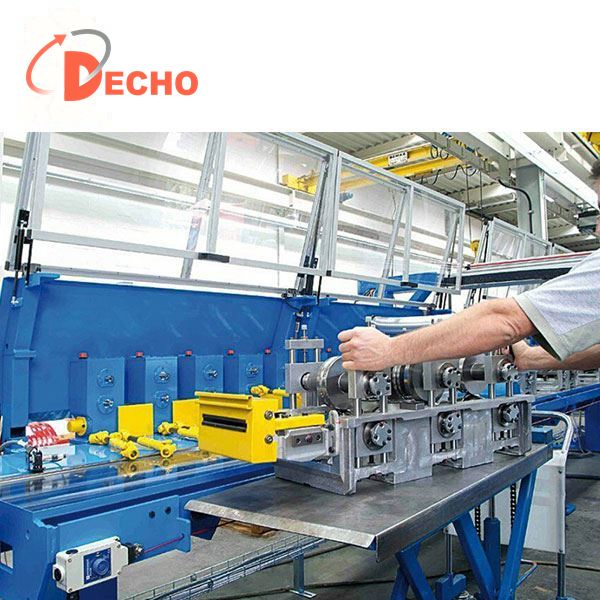
- Check the rollers for wear and tear. If they're worn out, replace them with new ones.
- Use a precision measuring tool to make sure the rollers are properly aligned. Adjust them if necessary.
- Double-check the material thickness and make sure it's within the machine's specifications.
2.2 Material Jams
Another annoying issue is material jams. This happens when the metal strip gets stuck in the machine, and it can bring your production to a halt.
Possible Causes:
- Debris in the machine: Bits of metal, dust, or other debris can accumulate in the machine and cause the material to jam.
- Incorrect feeding speed: If the metal strip is being fed into the machine too fast or too slow, it can get stuck.
- Bent or damaged material: A bent or damaged metal strip is more likely to jam in the machine.
Solutions:
- Regularly clean the machine to remove any debris. You can use compressed air or a vacuum cleaner to get rid of the dust and metal shavings.
- Adjust the feeding speed to the recommended setting for the material you're using.
- Inspect the metal strip before feeding it into the machine. If it's bent or damaged, straighten it or replace it.
2.3 Noise and Vibration
Excessive noise and vibration can be a sign that something's wrong with the machine. It can also be a safety hazard for the operators.
Possible Causes:
- Loose bolts and nuts: Over time, the bolts and nuts in the machine can loosen, causing it to vibrate and make noise.
- Worn-out bearings: Bearings that are worn out can also cause noise and vibration.
- Unbalanced rollers: If the rollers aren't balanced properly, they can create a lot of vibration.
Solutions:
- Use a wrench to tighten all the bolts and nuts in the machine. Make sure they're all secure.
- Check the bearings for wear and tear. Replace them if necessary.
- Balance the rollers using a balancing machine or a professional service.
2.4 Electrical Problems
Electrical problems can be a bit more tricky to diagnose, but they're still important to address.
Possible Causes:
- Faulty wiring: Over time, the wiring in the machine can become damaged or loose, causing electrical issues.
- Blown fuses: A blown fuse can cut off the power to the machine or a specific component.
- Malfunctioning control panel: If the control panel isn't working properly, it can cause the machine to behave erratically.
Solutions:
- Inspect the wiring for any signs of damage or looseness. Repair or replace the damaged wires.
- Check the fuses and replace any that are blown. Make sure to use the correct type and rating of fuses.
- If the control panel is malfunctioning, consult the machine's manual or contact a professional technician for help.
3. Preventive Maintenance
The best way to avoid these problems in the first place is to perform regular preventive maintenance on your Cold Roll Forming Machine.
3.1 Regular Cleaning
As I mentioned earlier, keeping the machine clean is crucial. Make sure to clean it after each use or at least once a week, depending on how often you use it. Remove any debris, dust, and metal shavings from the rollers, the feeding system, and other parts of the machine.
3.2 Lubrication
Proper lubrication is also important to keep the machine running smoothly. Follow the manufacturer's recommendations for lubricating the rollers, bearings, and other moving parts. Use a high-quality lubricant and apply it at the recommended intervals.
3.3 Inspection
Regularly inspect the machine for any signs of wear and tear, loose bolts, or other issues. Check the rollers, bearings, wiring, and control panel for any problems. By catching these issues early, you can prevent them from turning into major problems later on.
4. When to Call in the Experts
Sometimes, despite your best efforts, you might encounter a problem that you just can't fix on your own. In these cases, it's best to call in the experts.
If you're experiencing persistent problems with uneven forming, material jams, or electrical issues, and you've tried all the troubleshooting steps I've mentioned, it's time to contact a professional technician. They have the knowledge and experience to diagnose and fix the problem quickly and safely.
5. Conclusion
Troubleshooting a Cold Roll Forming Machine can be a bit of a challenge, but with the right knowledge and a little bit of patience, you can keep your machine running smoothly. Remember to perform regular preventive maintenance, and don't hesitate to call in the experts if you need help.
If you're in the market for a new Cold Roll Forming Machine or need any parts or service for your existing machine, feel free to reach out. We're here to help you with all your roll forming needs.
References
- Manufacturer's manual for Cold Roll Forming Machines
- Industry best practices for roll forming machine maintenance and troubleshooting