Hey there! As a supplier of roll former machines, I've seen firsthand the amazing benefits these machines bring to various industries. In this blog, I'm gonna break down the advantages of using a roll former machine, so you can see why it's a game - changer for your business.
1. High - Efficiency Production
One of the biggest perks of using a roll former machine is its ability to churn out products at a high speed. Unlike traditional manufacturing methods that might involve a lot of manual labor and multiple steps, a roll former can produce continuous lengths of formed metal products in a single pass.
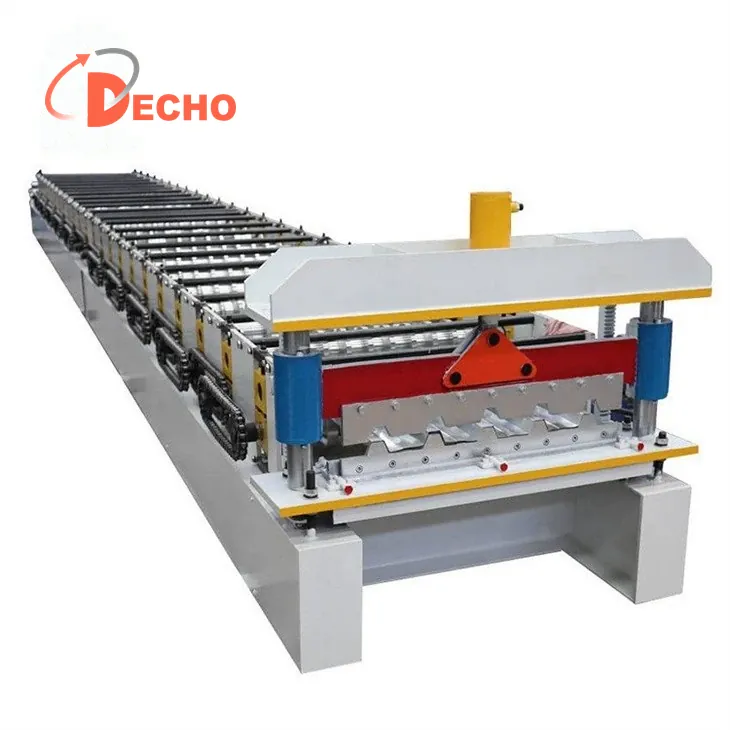
Let's say you're in the business of making roofing sheets. With a roll former, you can feed in a long strip of metal, and in no time, you'll have perfectly formed Ibr Roof Sheet Forming Machine that are ready to be used. This high - speed production means you can meet large orders quickly, which is crucial in today's competitive market.
Not only does it save time, but it also reduces the labor cost. You don't need a large workforce to operate a roll former. Usually, one or two operators can manage the machine, and they can focus on quality control and ensuring the smooth running of the production line.
2. Precision and Consistency
When it comes to manufacturing, precision is key. Roll former machines are designed to produce products with extremely high accuracy. The rollers in the machine are carefully calibrated to shape the metal into the exact dimensions you need.
For example, if you're using a Cable Tray Roll Forming Machine to make cable trays, the machine will ensure that each tray has the same width, height, and shape. This consistency is vital, especially when the products need to fit together perfectly. In the case of cable trays, they need to be installed in a rack system, and any deviation in size could lead to installation problems.
Moreover, the precision of roll forming means that there is less waste. Since the machine forms the metal exactly as required, there's no need for excessive trimming or cutting, which saves both material and money.
3. Versatility
Roll former machines are incredibly versatile. They can be used to produce a wide range of products from different types of metals. You can work with steel, aluminum, copper, and more.
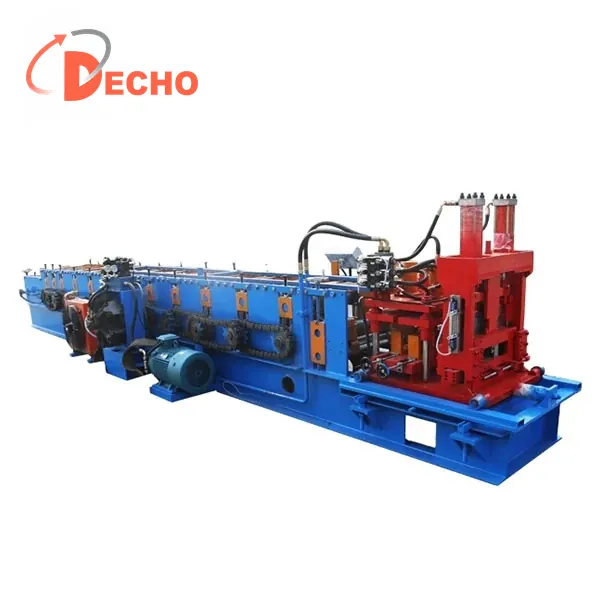
Whether you're in the construction industry, automotive industry, or electrical industry, there's a roll former machine that can meet your needs. In the construction sector, you can use a Z Purlin Forming Machine to make Z - shaped purlins, which are essential for supporting roofs and walls. In the automotive industry, roll formers can be used to create parts like door frames and chassis components.
What's more, many roll former machines are adjustable. You can change the tooling on the machine to produce different profiles. This means you don't have to invest in multiple machines for different products. A single roll former can be reconfigured to make various shapes and sizes, giving you more flexibility in your production.
4. Cost - Effectiveness
In the long run, using a roll former machine is a cost - effective choice. As I mentioned earlier, the high - speed production and low labor requirements reduce the overall production cost. Additionally, the precision of the machine reduces material waste, which also saves money.
The initial investment in a roll former machine might seem significant, but when you consider the long - term savings, it's a smart move. You'll be able to produce more products at a lower cost per unit, which can increase your profit margins. And since roll formers are durable machines, they have a long lifespan. With proper maintenance, a roll former can serve your business for many years, providing a good return on investment.
5. Improved Product Quality
Roll - formed products generally have better quality compared to those made by other methods. The continuous forming process of a roll former results in a smooth surface finish. There are no sharp edges or rough spots that could cause problems during installation or use.
The uniform shape and dimensions of roll - formed products also contribute to their strength. For example, in the case of roofing sheets, the consistent profile ensures that they can withstand the elements better. They are less likely to warp or bend under pressure, which means a longer lifespan for your products.
6. Customization
Another great advantage of roll former machines is the ability to customize products. You can design unique profiles according to your specific requirements. Whether it's a special shape for a custom - built building or a specific size for an industrial application, a roll former can be programmed to produce the exact product you need.
This customization option gives you a competitive edge in the market. You can offer products that are tailored to your customers' needs, which can help you attract more clients and increase customer satisfaction.
7. Environmental Friendliness
In today's world, environmental concerns are a big deal. Roll former machines are relatively environmentally friendly. As I've mentioned, the precision of the machine reduces material waste. This means less scrap metal going to landfills.
Also, the energy consumption of roll formers is relatively low compared to some other manufacturing processes. They use less energy to operate, which helps to reduce your carbon footprint. By choosing a roll former machine, you're not only making a smart business decision but also contributing to a more sustainable future.
If you're looking to take your manufacturing business to the next level, a roll former machine is definitely worth considering. The advantages I've mentioned above make it a valuable asset for any industry that involves metal forming. Whether you need high - speed production, precision, versatility, or cost - effectiveness, a roll former can deliver.
If you're interested in learning more about our roll former machines or want to discuss your specific requirements, don't hesitate to reach out. We're here to help you find the perfect solution for your business.
References
- Metal Forming Handbook: A Practical Guide to Sheet Metal Operations.
- Roll Forming Technology: Principles and Applications.