As a supplier of Cold Roll Formers, I often get asked about various aspects of these machines, and one question that frequently pops up is, "What are the noise levels during the operation of a Cold Roll Former?" Let's dig into this topic and explore what to expect.
Understanding Cold Roll Formers
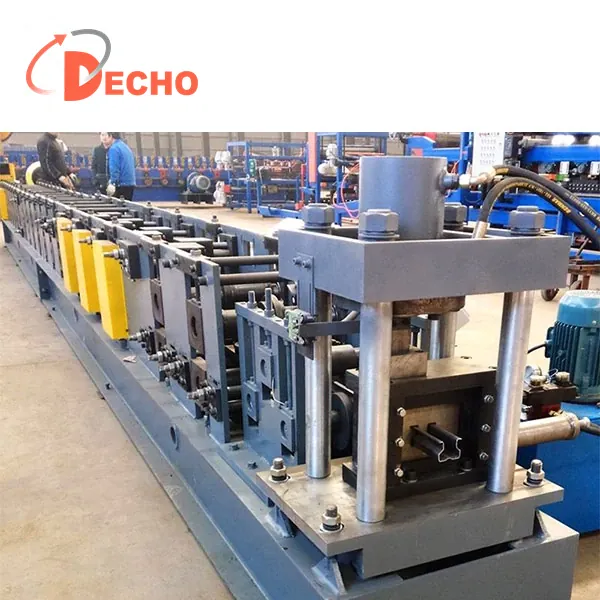
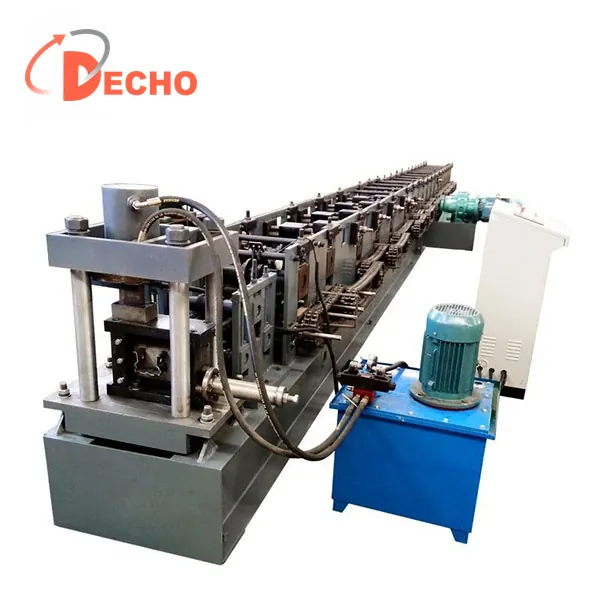
First off, for those who aren't familiar, cold roll forming is a process that shapes metal sheets or strips into specific profiles by passing them through a series of rollers. Cold roll formers are used in a wide range of industries to create products like Racking Roll Forming Machine, Steel Silo Roll Forming Machine, and Roofing Sheet Making Machine.
Factors Affecting Noise Levels
There are several factors that can influence the noise levels during the operation of a cold roll former.
- Machine Design: The design of the cold roll former plays a huge role. A well - designed machine with high - quality components and proper alignment tends to produce less noise. For example, if the rollers are precisely machined and the frame is rigid, there will be less vibration and thus less noise. On the other hand, a poorly designed machine with loose parts or misaligned rollers can cause a lot of rattling and banging.
- Material Being Formed: Different materials can generate different noise levels. Thicker metals usually produce more noise as they require more force to form. The surface finish of the material also matters. A rough - surfaced metal might cause more friction against the rollers, leading to increased noise. For instance, forming a thick, rusty steel sheet will likely be noisier than forming a thin, smooth aluminum strip.
- Speed of Operation: The faster the cold roll former runs, the louder it generally gets. As the speed increases, the impact between the metal and the rollers becomes more intense. This is similar to how a car engine gets louder when you step on the accelerator. At high speeds, the machine may also experience more vibrations, which add to the overall noise levels.
Typical Noise Ranges
In general, the noise levels of a cold roll former can vary from around 70 decibels (dB) to 90 dB. A noise level of 70 dB is comparable to the sound of a vacuum cleaner or a normal conversation in a noisy restaurant. This is usually the case when the machine is running at a relatively low speed and forming a thin, soft material.
On the other hand, when the machine is operating at high speeds and forming thick, hard materials, the noise levels can reach up to 90 dB. This is about as loud as a lawnmower or a motorcycle passing by. It's important to note that prolonged exposure to noise levels above 85 dB can cause hearing damage, so it's crucial to take appropriate safety measures.
Measuring Noise Levels
If you're concerned about the noise levels of a cold roll former, you can measure them using a sound level meter. These meters are relatively inexpensive and easy to use. Simply place the meter at a distance of about 1 meter from the machine and take readings at different operating speeds and with different materials. This will give you a good idea of how noisy the machine is under various conditions.
Reducing Noise Levels
As a supplier, we understand the importance of reducing noise levels in the workplace. Here are some ways to minimize the noise generated by a cold roll former:
- Regular Maintenance: Keeping the machine well - maintained is key. This includes lubricating the moving parts, tightening loose bolts, and replacing worn - out components. A well - maintained machine will run more smoothly and quietly.
- Soundproof Enclosures: Installing a soundproof enclosure around the cold roll former can significantly reduce the noise levels. These enclosures are made of sound - absorbing materials and can block the noise from spreading to the surrounding area. However, it's important to ensure that the enclosure does not interfere with the operation of the machine or proper ventilation.
- Vibration Damping: Using vibration - damping materials under the machine can help reduce the noise caused by vibrations. Rubber pads or springs can be placed between the machine and the floor to absorb the vibrations and prevent them from transmitting to the surroundings.
Importance of Monitoring Noise Levels
It's not just about creating a more comfortable work environment. Monitoring and controlling the noise levels of cold roll formers is also important from a legal and safety perspective. Many countries and regions have regulations regarding workplace noise levels to protect the health of workers. By ensuring that your machines operate within the permitted noise limits, you can avoid potential legal issues and keep your employees safe from hearing damage.
Wrapping Up and Contacting Us
In conclusion, the noise levels during the operation of a cold roll former can vary depending on several factors, but with proper design, maintenance, and noise - reduction measures, it's possible to keep them under control. If you're in the market for a high - quality cold roll former, whether it's for Racking Roll Forming Machine, Steel Silo Roll Forming Machine, or Roofing Sheet Making Machine, we're here to help. Reach out to us for more information, and we'll be happy to discuss your specific needs and how our cold roll formers can meet them.
References
- Industrial Noise Control Handbook - Various industry guidelines on noise levels and control in manufacturing environments
- Engineering Mechanics: Dynamics - For understanding the relationship between machine motion, vibration, and noise
- Metal Forming Technology Literature - Insights on the specific effects of different materials on machine noise during cold roll forming