In the modern manufacturing landscape, intelligent metal sheet making machines have become indispensable tools for producing high - quality metal products efficiently. As a leading supplier of metal sheet making machines, I understand the crucial role that software plays in enhancing the performance and functionality of these machines. In this blog, I will delve into the software requirements for an intelligent metal sheet making machine.
1. Design and Modeling Software
1.1 3D Design Software
For an intelligent metal sheet making machine, 3D design software is essential. It allows designers to create detailed and accurate 3D models of the metal products to be manufactured. Popular 3D design software such as SolidWorks, AutoCAD 3D, and Fusion 360 offer a wide range of features for creating complex geometries, simulating manufacturing processes, and analyzing the structural integrity of the designs.
With 3D design software, users can visualize the final product from different angles, make necessary modifications to the design, and generate detailed manufacturing drawings. This software also enables seamless integration with other software systems used in the metal sheet making process, such as CAM (Computer - Aided Manufacturing) software.
1.2 Sheet Metal Design Modules
Specific sheet metal design modules within the 3D design software are also required. These modules are tailored to the unique requirements of sheet metal fabrication, such as bend allowances, unfoldings, and corner treatments. They provide tools for creating accurate sheet metal parts with proper flanges, bends, and cuts. For example, SolidWorks has a dedicated sheet metal design module that simplifies the process of creating sheet metal components by automating many of the calculations and operations related to sheet metal forming.
2. Computer - Aided Manufacturing (CAM) Software
2.1 Toolpath Generation
CAM software is responsible for generating the toolpaths that the metal sheet making machine will follow to manufacture the designed parts. It takes the 3D design data and converts it into a set of instructions that the machine can understand. The software considers factors such as the type of cutting or forming operation (e.g., laser cutting, punching, bending), the material properties of the metal sheet, and the capabilities of the machine.
Advanced CAM software can optimize the toolpaths to minimize production time, reduce material waste, and ensure high - quality cuts and bends. For instance, it can generate nested toolpaths for multiple parts on a single sheet of metal, maximizing the use of the material.
2.2 Machine Compatibility
The CAM software must be compatible with the specific metal sheet making machine. Different machines have different control systems and programming languages. For example, some machines use G - code, a standard programming language for CNC (Computer Numerical Control) machines, while others may have proprietary programming languages. The CAM software should be able to generate the appropriate code for the machine, ensuring seamless communication between the software and the machine.
3. Machine Control Software
3.1 Real - Time Monitoring and Control
Machine control software is at the heart of an intelligent metal sheet making machine. It provides real - time monitoring and control of the machine's operations. The software can display information such as the current position of the cutting or forming tools, the speed of the machine, and the status of various sensors and actuators.
Operators can use the machine control software to start, stop, and pause the machine operations, as well as to adjust parameters such as cutting speed, feed rate, and bending angle. Real - time monitoring also allows for immediate detection of any abnormalities or errors in the manufacturing process, enabling quick corrective actions.
3.2 Automation and Sequencing
Intelligent machine control software enables automation and sequencing of the manufacturing process. It can execute a series of operations in a predefined order, such as cutting a sheet of metal into blanks and then bending the blanks into the desired shape. The software can also handle complex operations such as multi - axis movements for more precise forming and cutting.
4. Quality Control Software
4.1 Inspection and Measurement
Quality control software is used to ensure that the manufactured metal products meet the required quality standards. It can be integrated with inspection equipment such as laser scanners and coordinate measuring machines (CMMs). The software compares the actual dimensions and surface characteristics of the manufactured parts with the design specifications.
If any deviations are detected, the quality control software can generate reports and alerts, allowing operators to take corrective actions. For example, it can adjust the machine settings or reject parts that do not meet the quality requirements.
4.2 Statistical Process Control (SPC)
Statistical Process Control (SPC) is an important aspect of quality control in metal sheet making. SPC software collects and analyzes data from the manufacturing process over time to identify trends and patterns. It can help in predicting potential quality issues before they occur and in continuously improving the manufacturing process. For instance, the software can analyze the variation in part dimensions and determine if the process is in a state of statistical control.
5. Production Management Software
4.1 Order Management
Production management software is used to manage the overall production process, starting from order intake to delivery. It allows for the creation and tracking of production orders, including details such as the quantity of parts to be produced, the due dates, and the customer information. The software can also manage inventory levels of raw materials and finished products, ensuring that there are sufficient materials available for production and that finished products are shipped on time.
4.2 Scheduling and Resource Allocation
The production management software can create production schedules based on the available resources, such as machines, labor, and materials. It can optimize the use of resources by assigning tasks to the appropriate machines and operators, minimizing idle time and maximizing production efficiency. For example, it can schedule different jobs on the metal sheet making machines in a way that reduces setup times and maximizes throughput.
6. Connectivity and Integration Software
6.1 Machine - to - Machine (M2M) Communication
In an intelligent manufacturing environment, metal sheet making machines need to communicate with other machines and systems. Machine - to - Machine (M2M) communication software enables seamless data exchange between different machines, such as a laser cutting machine and a bending machine. This allows for coordinated and efficient production processes, where one machine can pass on relevant information to the next machine in the production line.
6.2 Enterprise Resource Planning (ERP) Integration
Integration with Enterprise Resource Planning (ERP) systems is also crucial. ERP systems manage various aspects of a business, including finance, human resources, and supply chain management. By integrating the metal sheet making machine software with the ERP system, companies can have a holistic view of their operations. For example, production data can be fed into the ERP system to update inventory levels, track costs, and generate invoices.
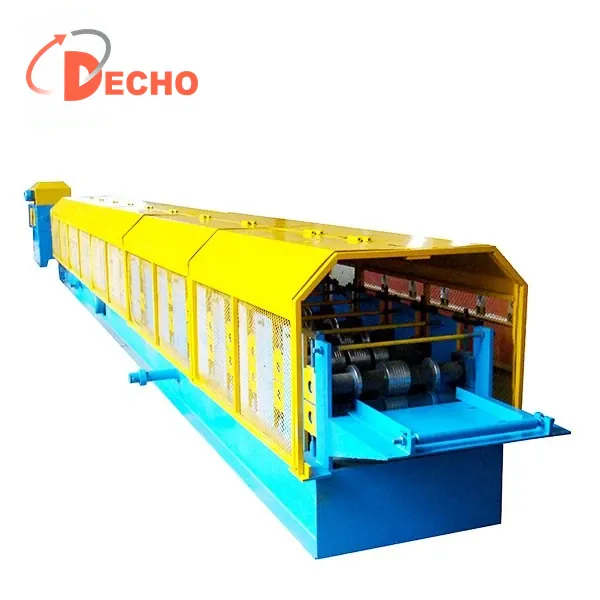
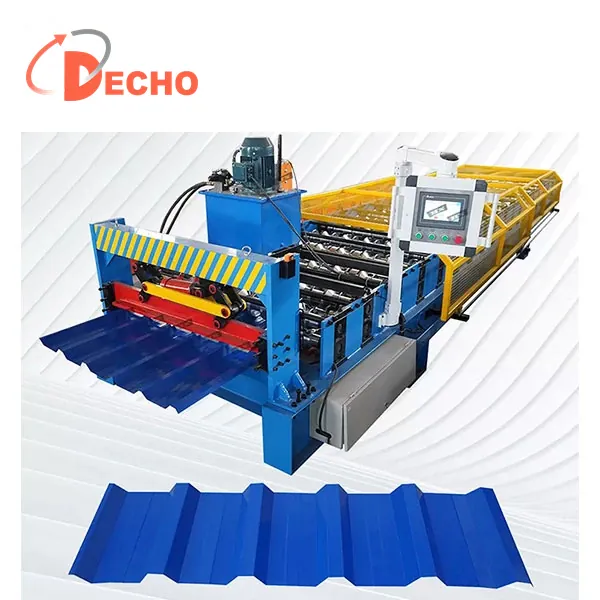
As a supplier of metal sheet making machines, we offer a range of high - quality machines such as the Roof And Wall Panel Roll Forming Machine, Water Tank Making Machine, and Downspout Roll Forming Machine. Our machines are designed to work seamlessly with the latest software solutions to ensure efficient and high - quality production.
If you are interested in purchasing our metal sheet making machines or have any questions about the software requirements for your specific manufacturing needs, please feel free to contact us for a detailed discussion and procurement negotiation. We are committed to providing you with the best solutions for your metal sheet fabrication requirements.
References
- "Fundamentals of Modern Manufacturing: Materials, Processes, and Systems" by Mikell P. Groover
- "Sheet Metal Forming: Principles and Applications" by H. S. Carsley and R. K. Gupta
- Technical documentation of SolidWorks, AutoCAD, and other relevant software.