Hey there! As a supplier of Roll Forming Machines, I often get asked about the spare parts of these machines. In this blog post, I'll break down the key spare parts you should know about.
1. Rollers
Rollers are the heart and soul of a roll forming machine. They're responsible for shaping the metal into the desired profile. These rollers come in various shapes and sizes, depending on the specific profile you want to create. For example, if you're using a Metal Roof Forming Machine, the rollers will be designed to form the characteristic curves and ridges of a metal roof panel.
The quality of the rollers is crucial. High - quality rollers are made from durable materials like hardened steel. This ensures that they can withstand the high pressure and friction involved in the roll - forming process. Over time, though, rollers can wear out. When this happens, the quality of the formed metal may decline, with issues like uneven surfaces or incorrect dimensions. So, having spare rollers on hand is a must for any roll - forming operation.
2. Gearboxes
Gearboxes play a vital role in controlling the speed and torque of the roll forming machine. They transfer power from the motor to the rollers at the right speed and force. A well - functioning gearbox ensures smooth and efficient operation of the machine.
There are different types of gearboxes used in roll forming machines, such as helical gearboxes and worm gearboxes. Helical gearboxes are known for their high efficiency and quiet operation, while worm gearboxes are great for applications that require high reduction ratios.
Like rollers, gearboxes can also experience wear and tear. The gears inside can become damaged or misaligned, which can lead to problems like jerky movements or even complete machine failure. That's why it's important to have spare gearboxes or at least key gearbox components, like gears and bearings, ready to replace when needed.
3. Motors
Motors provide the power that drives the roll forming machine. They come in different sizes and power ratings, depending on the size and complexity of the machine. For a small - scale Sheet Metal Forming Machines, a lower - power motor may be sufficient. But for larger, industrial - grade machines, a high - power motor is required.
Motors can fail due to various reasons, such as overheating, electrical problems, or mechanical damage. When a motor fails, the machine stops working. Having a spare motor can minimize downtime and keep your production running smoothly. It's also a good idea to regularly maintain the motors to extend their lifespan.
4. Cut - off Tools
Cut - off tools are used to cut the formed metal sheets to the desired length. There are different types of cut - off tools, including mechanical shears and hydraulic cutters. Mechanical shears are simple and cost - effective, but they may not be suitable for cutting thick or hard metals. Hydraulic cutters, on the other hand, can handle more demanding cutting tasks.
The blades of cut - off tools can become dull over time, especially when cutting hard metals. Dull blades can result in poor - quality cuts, with rough edges or burrs. It's essential to have spare blades and other cut - off tool components, like hydraulic cylinders for hydraulic cutters, so you can quickly replace them when needed.
5. Electrical Components
Roll forming machines rely on a variety of electrical components to function properly. These include control panels, sensors, relays, and wiring. The control panel is the brain of the machine, allowing operators to set the operating parameters, such as speed and length. Sensors are used to detect the position and movement of the metal sheets, ensuring accurate forming and cutting.
Electrical components can be prone to failure, especially due to electrical surges, moisture, or general wear. A faulty sensor can cause the machine to malfunction, leading to incorrect forming or cutting. Having spare electrical components can help you quickly troubleshoot and fix these issues, reducing downtime.
6. Bearings
Bearings are used to support the rotating parts of the roll forming machine, such as the rollers and shafts. They reduce friction and allow the parts to rotate smoothly. There are different types of bearings, including ball bearings and roller bearings.
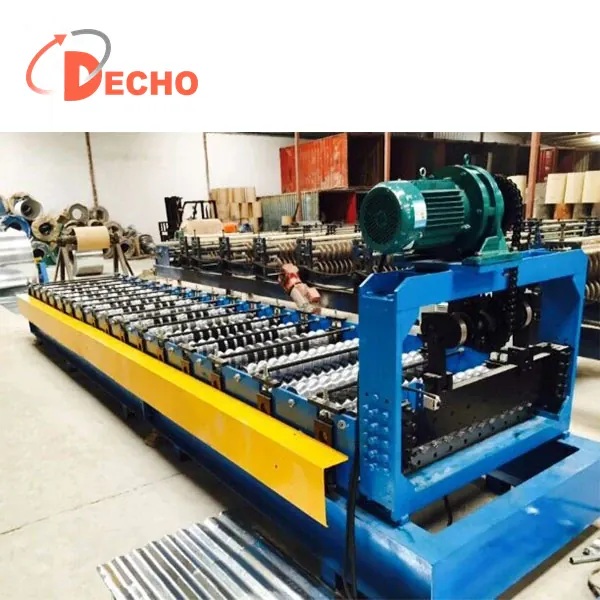
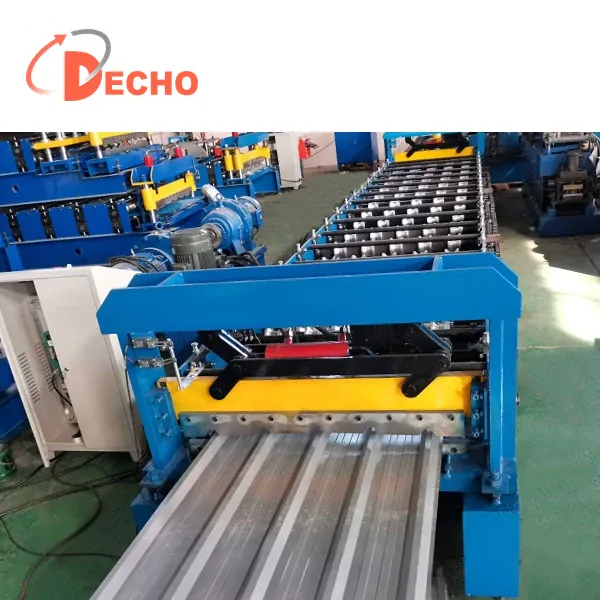
Ball bearings are suitable for applications with relatively low loads and high speeds, while roller bearings can handle heavier loads. Over time, bearings can wear out, leading to increased friction, noise, and vibration. This can not only affect the performance of the machine but also cause damage to other components. So, keeping spare bearings in stock is a smart move.
7. Chain and Sprockets
In some roll forming machines, chains and sprockets are used to transfer power between different parts of the machine. They work together to transmit motion from the motor or gearbox to the rollers.
Chains can stretch or break over time, especially if they're not properly lubricated or maintained. Sprockets can also wear out, causing the chain to slip or jump. Having spare chains and sprockets can ensure that you can quickly replace them when problems occur and keep the machine running.
8. Lubrication Systems
Lubrication is essential for the smooth operation of a roll forming machine. Lubrication systems are used to apply lubricants, such as oil or grease, to the moving parts of the machine, like the rollers, bearings, and gears.
A malfunctioning lubrication system can lead to increased friction, wear, and heat generation. This can significantly reduce the lifespan of the machine's components. It's important to have spare parts for the lubrication system, like pumps, filters, and nozzles, so you can keep the system in good working condition.
Conclusion
As you can see, a roll forming machine has many important spare parts. Having these spare parts on hand can save you a lot of time and money in the long run. It allows you to quickly address any issues that arise and minimize downtime, ensuring continuous and efficient production.
If you're in the market for a roll forming machine or need spare parts for your existing machine, don't hesitate to reach out. We're here to help you find the right solutions for your roll - forming needs. Whether you're interested in a Corrugated Sheet Roll Forming Machine or any other type of roll forming equipment, we've got you covered. Let's have a chat and see how we can work together to boost your production.
References
- Industry standards for roll forming machines
- Manufacturer's manuals for roll forming machines