As a supplier of Metal Roofing Roll Formers, I often get asked about the accuracy of the length cutting in these machines. It's a crucial aspect, especially for our customers who rely on precise metal roofing components for their construction projects. So, let's dive into what determines the accuracy of length cutting in a Metal Roofing Roll Former.
Factors Affecting Length Cutting Accuracy
First off, the mechanical design of the roll former plays a huge role. The drive system, which moves the metal strip through the machine, needs to be highly precise. If the drive rollers slip or don't rotate at a consistent speed, it can lead to inaccurate length measurements. For instance, a worn - out drive belt or improper tension can cause the metal to move erratically, resulting in cuts that are either too long or too short.
The cutting mechanism itself is another key factor. There are different types of cutting methods used in Metal Roofing Roll Formers, such as shear cutting and rotary cutting. Shear cutting involves using a pair of blades to cut through the metal. The alignment and sharpness of these blades are critical. If the blades are misaligned, they might not cut cleanly, and this can affect the length of the cut piece. A dull blade can also cause the metal to deform slightly before cutting, leading to inaccuracies.
Rotary cutting, on the other hand, uses a rotating blade to make the cut. This method can be very accurate if the rotation speed and the feed rate of the metal are properly synchronized. Any imbalance in the rotating blade or a misstep in the synchronization can lead to errors in the length of the cut roofing material.
The control system of the roll former is like the brain that manages the length cutting process. Modern Metal Roofing Roll Formers are often equipped with advanced control systems that use sensors and programmable logic controllers (PLCs). These sensors can measure the length of the metal strip as it moves through the machine. The PLC then sends signals to the cutting mechanism at the right time to make the cut. However, if the sensors are not calibrated correctly or if there are software glitches in the PLC, the length cutting accuracy can be compromised.
Measuring and Ensuring Accuracy
To measure the accuracy of length cutting in a Metal Roofing Roll Former, we usually use precision measuring tools. A simple tape measure can give a rough idea, but for more accurate results, we rely on digital calipers or laser measuring devices. These tools can measure the length of the cut roofing pieces with a high degree of precision, often up to a fraction of a millimeter.
During the manufacturing process, we conduct regular quality checks. We take samples of the cut roofing pieces at different intervals and measure their lengths. If we find any deviations from the desired length, we immediately start troubleshooting. We check the mechanical components for wear and tear, the alignment of the cutting blades, and the calibration of the sensors.
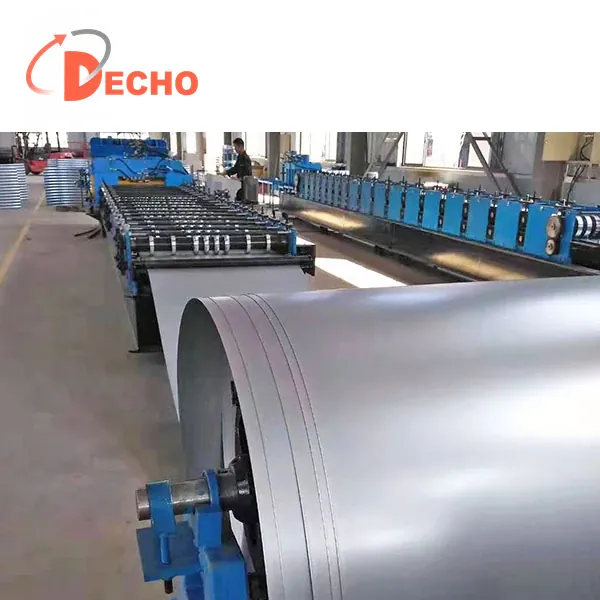
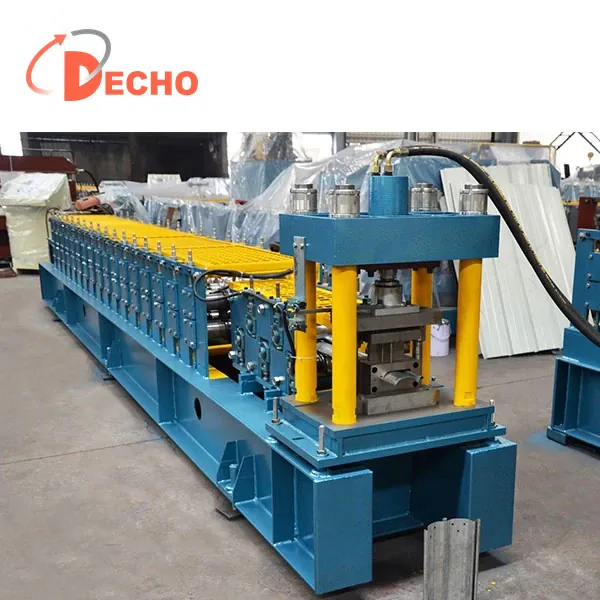
We also offer training to our customers on how to maintain the accuracy of the length cutting in their Metal Roofing Roll Formers. This includes proper cleaning and lubrication of the machine, regular blade sharpening, and sensor calibration. By following these maintenance procedures, our customers can ensure that their roll formers continue to produce roofing pieces with high - accuracy length cuts over a long period.
Real - World Implications of Accuracy
In the real world, the accuracy of length cutting in a Metal Roofing Roll Former has significant implications. For construction projects, precise roofing components are essential. If the roofing pieces are not cut to the correct length, it can lead to problems during installation. There might be gaps between the pieces, which can cause leaks and reduce the overall durability of the roof. It can also increase the installation time as workers have to make adjustments on - site.
For our customers, accurate length cutting means better customer satisfaction. When they can deliver high - quality roofing solutions to their clients, it enhances their reputation in the market. It also reduces waste, as there are fewer rejected pieces due to incorrect lengths. This, in turn, can lead to cost savings for our customers.
Comparing with Other Forming Machines
When compared to other types of forming machines, such as the Roller Shutter Door Forming Machine, Water Tank Machine, and Roller Shutter Door Machine, the Metal Roofing Roll Former has its own unique requirements for length cutting accuracy.
Roller Shutter Door Forming Machines need to cut the metal strips to precise lengths to ensure a proper fit for the door frames. However, the shape and structure of roller shutter doors are different from roofing panels, and the cutting process might involve different techniques. Similarly, Water Tank Machines need to cut metal sheets accurately to form the tank's structure, but the size and shape requirements are distinct from those of roofing materials.
The Roller Shutter Door Machine, like the Metal Roofing Roll Former, relies on accurate length cutting for the proper functioning of the final product. But each machine has its own set of challenges and considerations when it comes to achieving that accuracy.
Conclusion and Call to Action
In conclusion, the accuracy of length cutting in a Metal Roofing Roll Former is a complex but crucial aspect. It depends on various factors, including the mechanical design, the cutting mechanism, and the control system. By using precision measuring tools and conducting regular quality checks, we can ensure that our roll formers produce roofing pieces with high - accuracy length cuts.
If you're in the market for a Metal Roofing Roll Former or want to learn more about how we can help you achieve accurate length cutting in your roofing production, we'd love to hear from you. Whether you're a small - scale roofing contractor or a large - scale manufacturer, we have the expertise and the machines to meet your needs. Contact us today to start a conversation about your requirements and how we can assist you in your roofing projects.
References
- Metal Forming Handbook: A Practical Guide for Engineers and Manufacturers
- Industrial Machine Maintenance and Troubleshooting Manual