In the modern manufacturing landscape, steel frame rollformers play a pivotal role in producing high - quality steel frames for various industries. As a supplier of Steel Frame Rollformers, I am often asked about the automation level of these machines. In this blog post, I will delve into the different aspects of the automation level of a modern steel frame rollformer.
Basic Understanding of Steel Frame Rollformers
Before we discuss the automation level, it's essential to understand what a steel frame rollformer is. A steel frame rollformer is a machine that transforms flat steel strips into specific shapes through a series of roll stations. These roll stations gradually bend the steel strip until it reaches the desired cross - sectional profile. Steel frame rollformers are used in industries such as construction, automotive, and furniture manufacturing to create components like wall studs, roof trusses, and automotive frames.
Automation Levels in Modern Steel Frame Rollformers
1. Material Feeding Automation
One of the primary areas where automation is evident in modern steel frame rollformers is material feeding. Traditional rollformers required manual loading of steel strips, which was time - consuming and labor - intensive. In contrast, modern rollformers are equipped with automated material feeding systems. These systems can precisely measure and feed the steel strips into the rollformer at a consistent speed. Some advanced systems can even detect the thickness and width of the incoming steel strip and adjust the feeding parameters accordingly. This not only improves the efficiency of the production process but also reduces the risk of errors caused by inconsistent feeding.
2. Roll Station Adjustment Automation
The roll stations in a steel frame rollformer are responsible for shaping the steel strip. In the past, adjusting these roll stations to change the profile of the formed steel frame was a complex and time - consuming task. Modern rollformers have automated roll station adjustment systems. Using computer - controlled motors, these systems can quickly and accurately adjust the position and angle of the roll stations. For example, if a manufacturer needs to switch from producing a C - shaped steel frame to a Z - shaped one, the automation system can make the necessary adjustments within minutes, significantly reducing downtime between production runs.
3. Cutting and Length Control Automation
Accurate cutting of the formed steel frames is crucial for ensuring the quality of the final product. Modern steel frame rollformers are equipped with automated cutting systems. These systems use sensors to measure the length of the formed steel frame and trigger the cutting mechanism at the precise moment. Some cutting systems can also perform multiple cuts in a single operation, further improving productivity. Additionally, the automation allows for easy programming of different cutting lengths, enabling manufacturers to produce steel frames of various sizes without manual re - adjustment.
4. Quality Control Automation
Quality control is an integral part of the manufacturing process. Modern steel frame rollformers incorporate automated quality control systems. These systems use sensors and cameras to monitor the quality of the formed steel frames in real - time. For example, they can detect surface defects, such as scratches or dents, and measure the dimensional accuracy of the frames. If a defect is detected, the system can automatically stop the production process and alert the operator. This helps to ensure that only high - quality steel frames are produced, reducing waste and improving customer satisfaction.
5. Production Monitoring and Reporting Automation
Another significant aspect of the automation level in modern steel frame rollformers is production monitoring and reporting. These machines are often connected to a central control system that can collect and analyze data about the production process. The system can monitor parameters such as production speed, material consumption, and the number of produced units. It can also generate detailed reports about the production performance, including efficiency, quality metrics, and downtime. This data can be used by manufacturers to optimize their production processes, identify areas for improvement, and make informed decisions about resource allocation.
Advantages of High - Automation Steel Frame Rollformers
The high level of automation in modern steel frame rollformers offers several advantages. Firstly, it significantly improves productivity. With automated processes, the production speed is increased, and the time required for manual operations is reduced. This allows manufacturers to produce more steel frames in less time, meeting the growing market demand.
Secondly, automation enhances the quality of the produced steel frames. The precise control of material feeding, roll station adjustment, cutting, and quality control ensures that the frames have consistent dimensions and high - quality surfaces. This reduces the number of defective products and improves the overall reliability of the manufacturing process.
Thirdly, automation reduces labor costs. Since many manual tasks are replaced by automated systems, manufacturers can require fewer workers to operate the rollformers. This not only saves on labor expenses but also reduces the risk of human - error - related issues.
Our Company's Offerings
As a supplier of Steel Frame Rollformers, we are committed to providing our customers with the latest and most advanced rollforming technology. Our rollformers are designed with a high level of automation to meet the diverse needs of different industries. We offer a wide range of rollformers, including those for Rolling Shutter Strip Making Machine, Ibr Roof Sheet Forming Machine, and Steel Roll Forming Machine.
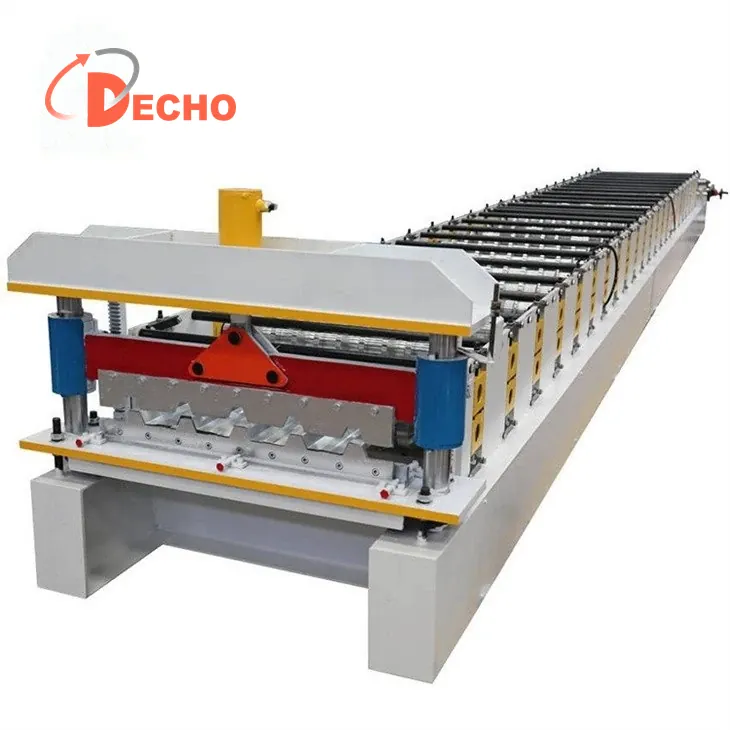
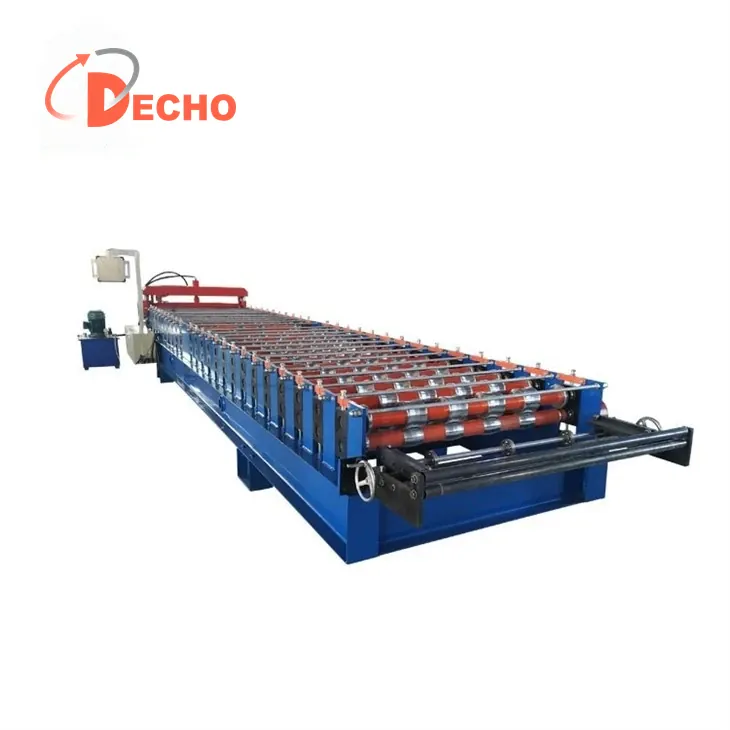
Our team of experts can work closely with customers to understand their specific requirements and recommend the most suitable rollformer. We also provide comprehensive after - sales service, including installation, training, and maintenance. Whether you are a small - scale manufacturer or a large - scale industrial enterprise, we have the right solution for you.
Contact Us for Purchase and Negotiation
If you are interested in our Steel Frame Rollformers or have any questions about the automation level and performance of our machines, we encourage you to contact us. Our sales team is ready to provide you with detailed product information, quotations, and customized solutions. By working with us, you can benefit from the high - efficiency and high - quality production capabilities of our automated rollformers.
References
- "Roll Forming Technology Handbook" by John W. Driscoll.
- "Automation in Manufacturing: Principles and Applications" by David A. Dornfeld.
- Industry reports from leading steel manufacturing associations.