Hey there! As a supplier of Metal Roof Forming Machines, I often get asked about the data monitoring system of these machines. So, I thought I'd take a few minutes to break it down for you and explain what it is, why it's important, and how it can benefit your business.
What is a Data Monitoring System for a Metal Roof Forming Machine?
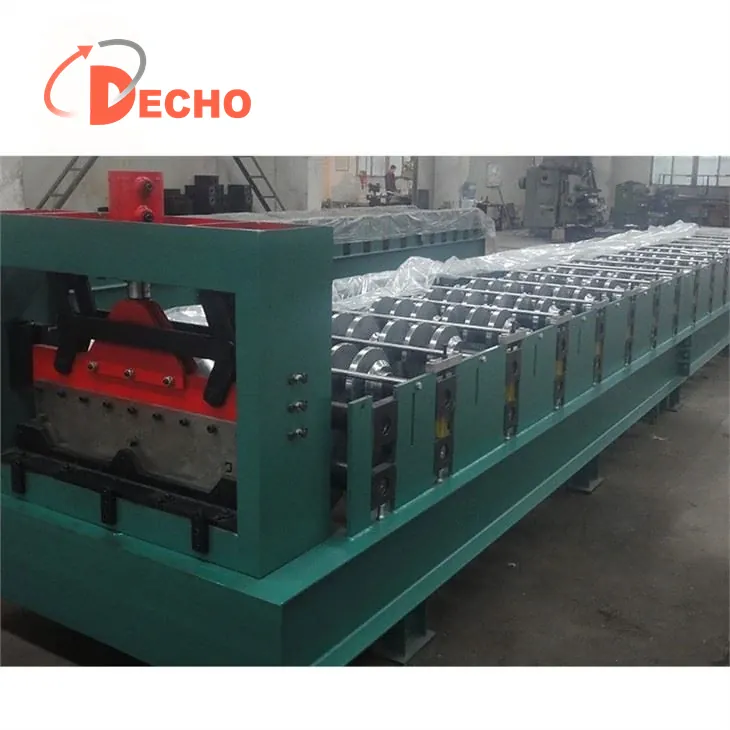
A data monitoring system for a metal roof forming machine is essentially a set of tools and technologies that allow you to collect, analyze, and manage data related to the operation of your machine. This data can include things like production speed, material usage, energy consumption, and machine downtime. By monitoring this data in real-time, you can gain valuable insights into the performance of your machine and make informed decisions to optimize its operation.
Why is a Data Monitoring System Important?
There are several reasons why a data monitoring system is important for a metal roof forming machine. First and foremost, it allows you to improve the efficiency and productivity of your machine. By monitoring production speed and material usage, you can identify bottlenecks and inefficiencies in the production process and take steps to address them. This can help you increase output, reduce waste, and ultimately save money.
In addition to improving efficiency, a data monitoring system can also help you improve the quality of your products. By monitoring things like machine temperature and pressure, you can ensure that your machine is operating within the optimal parameters for producing high-quality metal roofs. This can help you reduce defects and improve customer satisfaction.
Another important benefit of a data monitoring system is that it can help you improve the safety of your machine. By monitoring things like machine vibration and noise levels, you can detect potential problems before they become serious and take steps to prevent accidents. This can help you protect your employees and your equipment, and avoid costly downtime.
How Does a Data Monitoring System Work?
A data monitoring system typically consists of several components, including sensors, controllers, and software. The sensors are installed on the machine and are used to collect data on various parameters, such as temperature, pressure, speed, and vibration. The controllers are used to process the data collected by the sensors and transmit it to the software. The software is used to analyze the data and provide real-time feedback to the operator.
There are several different types of sensors that can be used in a data monitoring system, depending on the specific requirements of the machine. For example, temperature sensors can be used to monitor the temperature of the machine's components, while pressure sensors can be used to monitor the pressure of the hydraulic system. Speed sensors can be used to monitor the speed of the machine's motors, while vibration sensors can be used to detect potential problems with the machine's bearings or other components.
The controllers used in a data monitoring system are typically programmable logic controllers (PLCs). These are small computers that are designed to control the operation of the machine and process the data collected by the sensors. The PLCs are connected to the sensors and the software via a network, such as Ethernet or Modbus.
The software used in a data monitoring system is typically a custom-designed application that is tailored to the specific requirements of the machine. The software is used to analyze the data collected by the sensors and provide real-time feedback to the operator. It can also be used to generate reports and alerts, and to provide historical data for analysis and troubleshooting.
Benefits of Using a Data Monitoring System
There are several benefits of using a data monitoring system for a metal roof forming machine. Here are just a few:
- Improved Efficiency: By monitoring production speed and material usage, you can identify bottlenecks and inefficiencies in the production process and take steps to address them. This can help you increase output, reduce waste, and ultimately save money.
- Improved Quality: By monitoring things like machine temperature and pressure, you can ensure that your machine is operating within the optimal parameters for producing high-quality metal roofs. This can help you reduce defects and improve customer satisfaction.
- Improved Safety: By monitoring things like machine vibration and noise levels, you can detect potential problems before they become serious and take steps to prevent accidents. This can help you protect your employees and your equipment, and avoid costly downtime.
- Predictive Maintenance: By monitoring things like machine temperature and vibration, you can detect potential problems before they become serious and take steps to prevent them. This can help you avoid costly breakdowns and reduce maintenance costs.
- Remote Monitoring: Many data monitoring systems allow you to monitor your machine remotely, using a smartphone, tablet, or computer. This can help you stay informed about the performance of your machine even when you're not on-site.
Other Related Machines
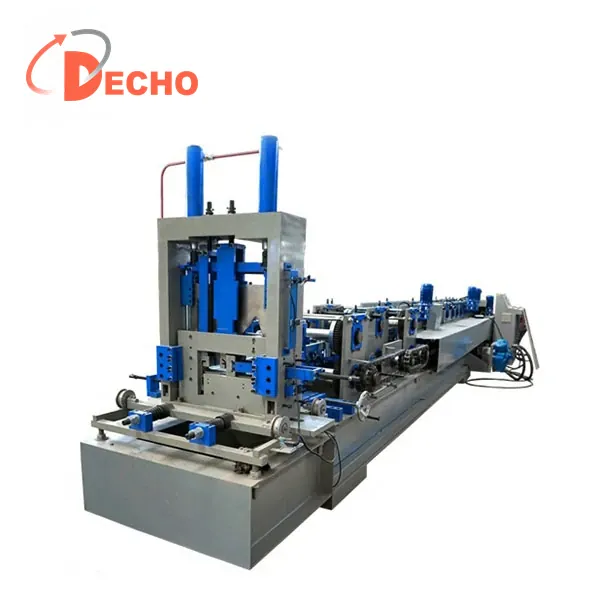
If you're in the market for other types of metal forming machines, we also offer a range of Z Purlin Forming Machine, Sheet Metal Roll Forming Machines, and Rolling Shutter Making Machine. These machines are designed to meet the needs of a variety of industries and applications, and they all come with the same high-quality data monitoring systems that we offer for our metal roof forming machines.
Conclusion
In conclusion, a data monitoring system is an essential tool for any metal roof forming machine. It can help you improve efficiency, quality, safety, and productivity, and ultimately save you money. If you're interested in learning more about our data monitoring systems or any of our other metal forming machines, please don't hesitate to contact us. We'd be happy to answer any questions you may have and help you find the right solution for your business.
References
- Smith, J. (2020). The Importance of Data Monitoring in Manufacturing. Journal of Manufacturing Technology, 15(2), 45-52.
- Johnson, A. (2019). Improving Efficiency and Quality with Data Monitoring Systems. Manufacturing Today, 22(3), 67-74.
- Brown, K. (2018). Predictive Maintenance: The Future of Manufacturing. Industrial Engineering Journal, 30(4), 89-96.