As a seasoned supplier in the rollformer industry, I've witnessed firsthand the evolving needs and preferences of our clients. One of the most frequently asked questions is about the difference between manual and automatic rollformers. In this blog post, I'll delve into the intricacies of these two types of rollformers, highlighting their unique features, advantages, and ideal applications.
Manual Rollformers: The Traditional Workhorse
Manual rollformers have been around for decades and are still widely used in many industries. These machines rely on human operation to feed the material through the rollers and shape it into the desired profile. They are typically simpler in design and construction, making them more affordable and easier to maintain.
Features and Advantages
- Cost-Effective: Manual rollformers are generally less expensive than their automatic counterparts, making them a great option for small businesses or those on a tight budget.
- Easy to Operate: With minimal training, operators can quickly learn how to use a manual rollformer. This makes them ideal for small-scale production or custom jobs where flexibility is key.
- Versatile: Manual rollformers can be used to produce a wide range of profiles, from simple shapes to complex designs. They are also suitable for working with different types of materials, including steel, aluminum, and copper.
- Low Maintenance: Manual rollformers have fewer moving parts than automatic machines, which means they require less maintenance and are less prone to breakdowns.
Ideal Applications
- Small-Scale Production: Manual rollformers are well-suited for small-scale production runs, where the volume of work is relatively low. They are commonly used in workshops, fabrication shops, and small manufacturing facilities.
- Custom Jobs: If you need to produce custom profiles or make changes to existing designs, a manual rollformer is the perfect choice. You can easily adjust the rollers and settings to create unique shapes and sizes.
- Prototyping: Manual rollformers are often used for prototyping new products or testing different designs. They allow you to quickly produce samples and make adjustments before committing to large-scale production.
Automatic Rollformers: The High-Tech Solution
Automatic rollformers are the latest innovation in the rollforming industry. These machines use advanced technology to automate the entire production process, from feeding the material to cutting the finished product. They are designed to be highly efficient, accurate, and productive, making them ideal for large-scale production.
Features and Advantages
- High Productivity: Automatic rollformers can produce profiles at a much faster rate than manual machines, significantly increasing production output. They are capable of running continuously for long periods of time, with minimal operator intervention.
- Precision and Accuracy: Automatic rollformers use computer-controlled systems to ensure precise and consistent profile dimensions. This results in high-quality products with tight tolerances, reducing waste and rework.
- Flexibility: Many automatic rollformers are equipped with programmable controllers that allow you to easily change the profile design and production settings. This makes them suitable for producing a variety of profiles with different shapes and sizes.
- Integration with Other Equipment: Automatic rollformers can be integrated with other equipment, such as decoilers, straighteners, and cut-off presses, to create a fully automated production line. This streamlines the manufacturing process and improves overall efficiency.
Ideal Applications
- Large-Scale Production: Automatic rollformers are designed for high-volume production runs, where speed and efficiency are crucial. They are commonly used in industries such as construction, automotive, and aerospace.
- Mass Customization: With the ability to quickly change profile designs and production settings, automatic rollformers are well-suited for mass customization. They allow you to produce a large number of different profiles without sacrificing quality or productivity.
- Continuous Production: Automatic rollformers can run continuously for long periods of time, making them ideal for applications where a continuous supply of profiles is required. They are often used in the production of roofing sheets, wall panels, and other building materials.
Key Differences Between Manual and Automatic Rollformers
Now that we've explored the features and advantages of manual and automatic rollformers, let's take a closer look at the key differences between the two.
Operation
- Manual Rollformers: Require human operation to feed the material through the rollers and shape it into the desired profile. Operators need to manually adjust the rollers and settings for each profile change.
- Automatic Rollformers: Use advanced technology to automate the entire production process, from feeding the material to cutting the finished product. They are controlled by computer programs, which can be easily programmed to produce different profiles.
Productivity
- Manual Rollformers: Have a lower production rate compared to automatic machines. They are suitable for small-scale production runs or custom jobs where speed is not a critical factor.
- Automatic Rollformers: Can produce profiles at a much faster rate, significantly increasing production output. They are designed for high-volume production and can run continuously for long periods of time.
Precision and Accuracy
- Manual Rollformers: While manual rollformers can produce high-quality profiles, they are more prone to human error and variations in profile dimensions. Operators need to have a high level of skill and experience to achieve consistent results.
- Automatic Rollformers: Use computer-controlled systems to ensure precise and consistent profile dimensions. They are capable of producing profiles with tight tolerances, resulting in high-quality products.
Cost
- Manual Rollformers: Are generally less expensive than automatic machines, making them a more affordable option for small businesses or those on a tight budget.
- Automatic Rollformers: Are more expensive to purchase and maintain than manual machines. However, they offer higher productivity and efficiency, which can result in cost savings in the long run.
Maintenance
- Manual Rollformers: Have fewer moving parts than automatic machines, which means they require less maintenance and are less prone to breakdowns.
- Automatic Rollformers: Require more frequent maintenance and servicing to ensure optimal performance. They also have more complex control systems, which may require specialized technical knowledge to troubleshoot and repair.
Choosing the Right Rollformer for Your Business
When it comes to choosing between a manual and an automatic rollformer, there are several factors to consider. Here are some key questions to ask yourself:
- What is your production volume? If you need to produce a large number of profiles on a regular basis, an automatic rollformer may be the best choice. However, if your production volume is relatively low, a manual rollformer may be more suitable.
- What is your budget? Manual rollformers are generally less expensive than automatic machines, but they may not offer the same level of productivity and efficiency. Consider your budget and the long-term cost savings when making your decision.
- What type of profiles do you need to produce? If you need to produce complex or custom profiles, a manual rollformer may be more flexible and easier to adjust. However, if you need to produce simple profiles in large quantities, an automatic rollformer may be more efficient.
- What is your level of technical expertise? Automatic rollformers require more technical knowledge and experience to operate and maintain. If you have a skilled workforce or access to technical support, an automatic rollformer may be a good option. Otherwise, a manual rollformer may be easier to manage.
Conclusion
In conclusion, both manual and automatic rollformers have their own unique features, advantages, and ideal applications. The choice between the two depends on your specific production needs, budget, and technical expertise. As a rollformer supplier, we can help you evaluate your options and choose the right machine for your business.
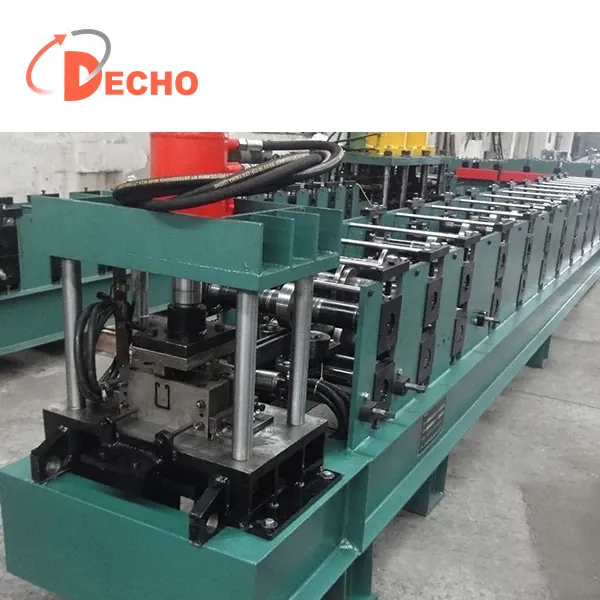
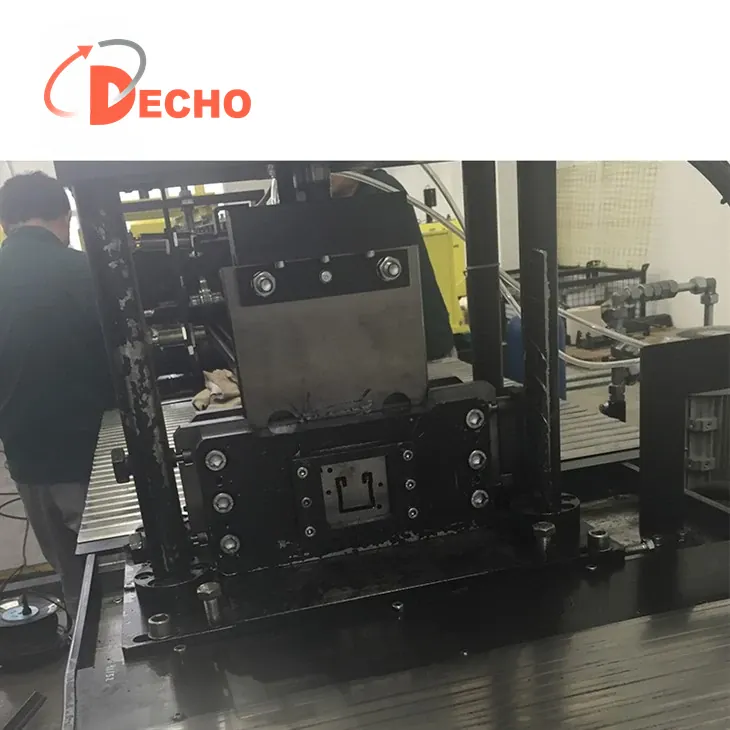
If you're interested in learning more about our Roof Sheet Making Machine, Profile Roll Forming Machine, or Roll Forming Machine For Solar Structure, please don't hesitate to contact us. Our team of experts is ready to assist you with any questions or concerns you may have. We look forward to working with you to find the perfect rollformer solution for your business.
References
- Smith, J. (2020). Roll Forming Technology: Principles and Applications. Industrial Press.
- Johnson, R. (2019). Automatic Roll Forming Machines: A Comprehensive Guide. Manufacturing Technology Publishing.
- Brown, A. (2018). Manual Roll Forming: Techniques and Best Practices. Metalworking Magazine.