In the realm of metalworking and manufacturing, rollformers and rolling mills are two essential pieces of equipment, each with its distinct characteristics, functions, and applications. As a seasoned Rollformer supplier, I've witnessed firsthand the diverse needs of industries and the unique roles these machines play. In this blog post, I'll delve into the differences between a rollformer and a rolling mill, shedding light on their operational principles, capabilities, and suitability for various projects.
Operational Principles
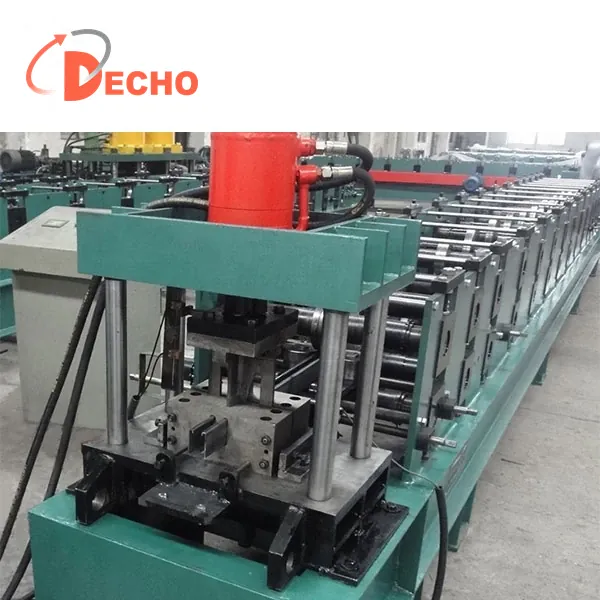
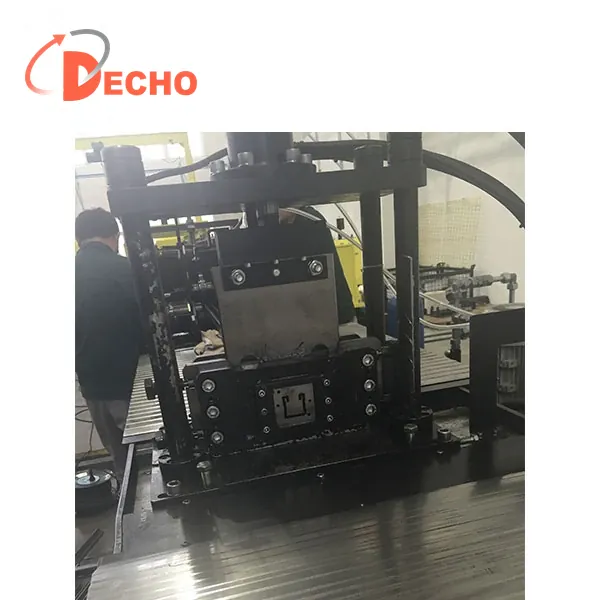
Let's start by understanding how each machine operates. A rollformer, also known as a roll forming machine, is a specialized piece of equipment that gradually forms metal sheets or strips into a desired cross-sectional shape. It does this by passing the metal through a series of consecutive pairs of rolls, each set of rolls making a small incremental bend or deformation to the metal until the final shape is achieved. This process is continuous and can produce long lengths of formed metal with a consistent cross-section.
On the other hand, a rolling mill is a machine that reduces the thickness of metal or changes its shape by passing it between two or more rotating rolls. The rolls apply pressure to the metal, causing it to deform plastically. Rolling mills can be used for various purposes, including reducing the thickness of metal slabs, billets, or sheets, as well as shaping the metal into different profiles such as bars, rods, or plates. The rolling process can be hot or cold, depending on the temperature at which the metal is processed.
Capabilities and Applications
One of the key differences between a rollformer and a rolling mill lies in their capabilities and applications. Rollformers are highly versatile machines that can produce a wide range of complex shapes and profiles with high precision and consistency. They are commonly used in industries such as construction, automotive, aerospace, and furniture manufacturing to produce components such as roofing panels, wall cladding, automotive parts, and furniture frames. For example, an Upright Rack Roll Forming Machine can produce upright racks for warehouses and storage facilities, while a Beam Roll Forming Machine can produce beams for construction projects.
Rolling mills, on the other hand, are primarily used for bulk metal processing and shaping. They are capable of handling large volumes of metal and can produce metal products with a high degree of uniformity and quality. Rolling mills are commonly used in the steel industry to produce steel sheets, plates, bars, and rods, as well as in other industries such as aluminum, copper, and titanium processing. For example, a hot rolling mill can be used to produce steel slabs from ingots, while a cold rolling mill can be used to reduce the thickness of steel sheets and improve their surface finish.
Advantages and Disadvantages
Both rollformers and rolling mills have their own advantages and disadvantages, which should be considered when choosing the right machine for a specific application. Rollformers offer several advantages, including high precision, flexibility, and the ability to produce complex shapes and profiles. They are also relatively easy to operate and maintain, making them a popular choice for small to medium-sized manufacturing operations. However, rollformers have some limitations, such as the need for specialized tooling for each specific shape and the relatively slow production speed compared to rolling mills.
Rolling mills, on the other hand, offer several advantages, including high production speed, the ability to handle large volumes of metal, and the ability to produce metal products with a high degree of uniformity and quality. They are also well-suited for continuous production processes and can be integrated into automated manufacturing systems. However, rolling mills have some disadvantages, such as the high capital cost of equipment, the need for skilled operators, and the relatively limited ability to produce complex shapes and profiles compared to rollformers.
Choosing the Right Machine
When choosing between a rollformer and a rolling mill, several factors should be considered, including the type of metal to be processed, the desired shape and profile of the final product, the production volume, and the budget. If you need to produce complex shapes and profiles with high precision and flexibility, a rollformer may be the right choice for you. On the other hand, if you need to process large volumes of metal and produce metal products with a high degree of uniformity and quality, a rolling mill may be the better option.
As a Rollformer supplier, I understand the importance of choosing the right machine for your specific needs. That's why I offer a wide range of rollforming machines, including Metal Rollformer, upright rack roll forming machines, beam roll forming machines, and more. Our machines are designed and manufactured to the highest standards of quality and performance, and we offer comprehensive after-sales support to ensure that our customers get the most out of their investment.
Conclusion
In conclusion, rollformers and rolling mills are two essential pieces of equipment in the metalworking and manufacturing industry, each with its distinct characteristics, functions, and applications. Rollformers are highly versatile machines that can produce a wide range of complex shapes and profiles with high precision and consistency, while rolling mills are primarily used for bulk metal processing and shaping and can produce metal products with a high degree of uniformity and quality. When choosing between a rollformer and a rolling mill, it's important to consider the specific requirements of your application and choose the machine that best meets your needs.
If you're interested in learning more about our rollforming machines or have any questions about the difference between a rollformer and a rolling mill, please don't hesitate to contact us. Our team of experts is always available to provide you with the information and support you need to make an informed decision. We look forward to hearing from you and helping you find the perfect solution for your manufacturing needs.
References
- Kalpakjian, S., & Schmid, S. R. (2008). Manufacturing Engineering & Technology (5th ed.). Pearson Prentice Hall.
- Dieter, G. E. (1986). Engineering Metallurgy: Principles and Applications (3rd ed.). McGraw-Hill.
- ASM Handbook Committee. (1990). ASM Handbook, Volume 14: Metalworking: Forming and Forging. ASM International.