In the construction and manufacturing industries, purlins play a crucial role in providing structural support for roofs and walls. Z purlins and C purlins are two of the most commonly used types, each with its own unique characteristics and applications. As a supplier of Z purlin forming machines, I am often asked about the differences between Z purlin forming machines and C purlin forming machines. In this blog post, I will delve into the details of these two types of machines, highlighting their key differences, advantages, and applications.
Structural Design and Shape of Purlins
The most obvious difference between Z purlins and C purlins lies in their cross - sectional shapes. C purlins have a cross - section that resembles the letter "C", with a straight web and flanges at right angles to the web. This simple and straightforward design makes C purlins easy to manufacture and install. They are commonly used in light - to medium - duty construction projects, such as small warehouses, garages, and agricultural buildings.
On the other hand, Z purlins have a cross - section shaped like the letter "Z". The angled shape of Z purlins allows for better overlapping and interlocking, which provides enhanced structural integrity, especially in continuous spans. This makes Z purlins a preferred choice for larger and more complex construction projects, such as commercial buildings and industrial facilities.
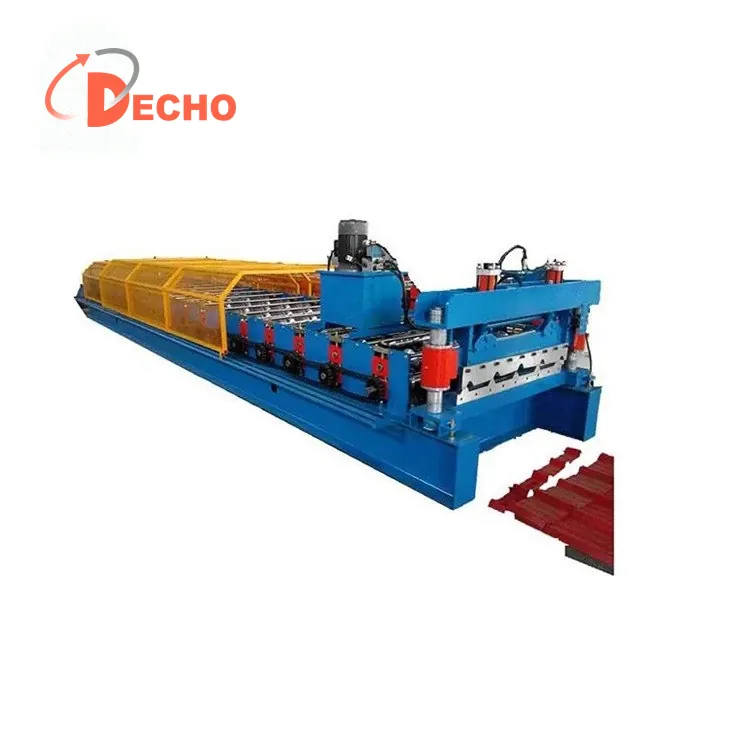
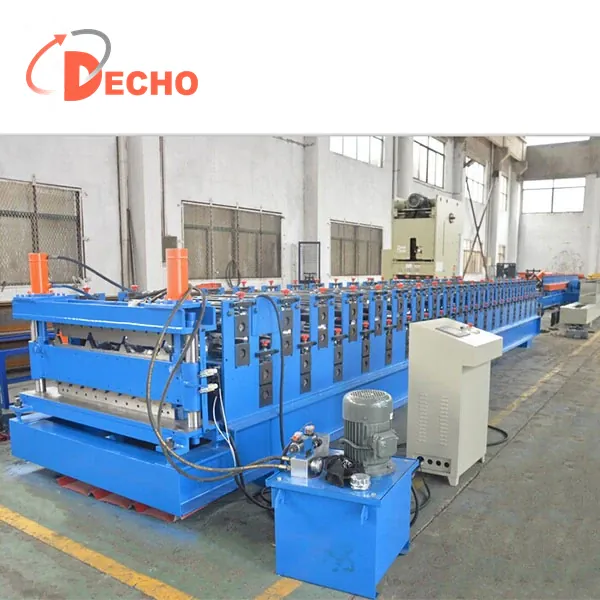
Design and Functionality of Forming Machines
Z purlin forming machines and C purlin forming machines are designed to transform flat metal sheets into their respective purlin shapes. However, the design and functionality of these machines vary significantly.
C Purlin Forming Machines
C purlin forming machines are generally simpler in design. They typically consist of a decoiler, a feeding device, a roll - forming unit, a cutting device, and a control system. The decoiler unwinds the metal coil, and the feeding device guides the metal sheet into the roll - forming unit. The roll - forming unit is composed of a series of rollers that gradually bend the metal sheet into the C - shaped cross - section. Once the desired length is reached, the cutting device cuts the formed purlin.
These machines are relatively easy to operate and maintain, making them a cost - effective option for small - to medium - scale production. They can produce C purlins with a wide range of sizes and thicknesses, depending on the specific requirements of the project.
Z Purlin Forming Machines
Z purlin forming machines, on the other hand, are more complex due to the unique shape of Z purlins. In addition to the basic components found in C purlin forming machines, Z purlin forming machines often require additional features to ensure accurate and efficient production.
For example, the roll - forming unit of a Z purlin forming machine needs to be precisely calibrated to create the angled shape of the Z purlin. Some advanced Z purlin forming machines also come with adjustable rollers, which allow for the production of different sizes and angles of Z purlins. The control system of a Z purlin forming machine is also more sophisticated, enabling operators to program and control various parameters, such as the length, angle, and thickness of the purlins.
Production Efficiency and Capacity
When it comes to production efficiency and capacity, both types of machines have their own advantages.
C purlin forming machines are known for their high - speed production. Since the C - shaped cross - section is relatively simple to form, these machines can produce purlins at a faster rate compared to Z purlin forming machines. This makes them ideal for large - volume production of standard - sized C purlins.
Z purlin forming machines, although slower in production speed, can produce purlins with higher precision and better quality. The complex shape of Z purlins requires more precise control and adjustment during the forming process, which may take more time. However, the enhanced structural properties of Z purlins make them a valuable investment for projects that demand high - quality and reliable structural support.
Material Compatibility
Both Z purlin forming machines and C purlin forming machines can work with a variety of materials, including galvanized steel, cold - rolled steel, and aluminum. However, the choice of material may depend on the specific requirements of the project and the capabilities of the forming machine.
Galvanized steel is a popular choice for both Z and C purlins due to its corrosion resistance and strength. Cold - rolled steel is often used for its high - quality finish and dimensional accuracy. Aluminum is a lightweight alternative that is suitable for applications where weight is a concern, such as in some residential and small - scale commercial projects.
Applications and Market Demand
The different characteristics of Z and C purlins result in different applications and market demands.
C purlins are widely used in light - to medium - duty construction projects. Their simple design and ease of installation make them a popular choice for DIY projects and small - scale construction. The market demand for C purlins is relatively stable, with a large number of small - to medium - sized manufacturers catering to this segment.
Z purlins, on the other hand, are mainly used in large - scale commercial and industrial construction projects. The enhanced structural integrity of Z purlins makes them essential for buildings that require long - span support and high load - bearing capacity. The market demand for Z purlins is often driven by large - scale construction projects, which may fluctuate depending on the economic situation and construction activity in the region.
Related Products and Their Applications
In addition to Z purlin forming machines and C purlin forming machines, there are other related products in the market that are worth mentioning. For example, Shutter Door Machine is used to produce rolling shutter doors, which are commonly used in commercial and industrial buildings for security and protection. The Double Layer Roofing Sheet Roll Forming Machine can produce double - layer roofing sheets, which provide better insulation and durability. And the Metal Roofing Roll Former is designed to create metal roofing sheets, which are widely used in residential and commercial buildings.
Conclusion
In conclusion, Z purlin forming machines and C purlin forming machines have distinct differences in terms of the purlin shapes they produce, their design and functionality, production efficiency, material compatibility, and applications. As a supplier of Z purlin forming machines, I understand the unique requirements of different construction projects and can provide customized solutions to meet the needs of our customers.
If you are in the market for a purlin forming machine, whether it's a Z purlin forming machine or a C purlin forming machine, I encourage you to contact us for more information. Our team of experts can help you choose the right machine based on your specific requirements, budget, and production goals. We look forward to the opportunity to work with you and contribute to the success of your construction projects.
References
- "Steel Construction Manual", American Institute of Steel Construction
- "Roofing and Wall Systems Design Guide", Metal Construction Association