In the manufacturing industry, forming machines play a pivotal role in transforming raw materials into various finished products. As a leading supplier of forming machines, I've witnessed firsthand the diverse range of forming complexities these machines can handle. This blog post aims to explore the concept of forming complexity and delve into the capabilities of our forming machines.
Understanding Forming Complexity
Forming complexity refers to the level of difficulty involved in shaping a material into a desired form. It encompasses various factors, including the material properties, the shape and size of the final product, the precision required, and the production volume. A high level of forming complexity often demands advanced machinery, sophisticated tooling, and skilled operators.
Material properties significantly influence forming complexity. Different materials have unique characteristics, such as hardness, ductility, and elasticity, which affect how they can be shaped. For instance, metals like steel and aluminum are commonly used in forming processes due to their high strength and formability. However, steel, especially high-strength steel, can be more challenging to form compared to aluminum because of its greater hardness. On the other hand, materials like plastics and composites also present their own set of challenges, including issues related to heat resistance, shrinkage, and adhesion.
The shape and size of the final product are also crucial factors. Complex shapes, such as those with intricate curves, sharp angles, or multiple bends, require more precise control and advanced forming techniques. Large-sized products may need more powerful machines to ensure proper forming, while small-sized components may demand high precision to meet the required tolerances.
Precision is another key aspect of forming complexity. In industries such as aerospace and automotive, where components must meet strict quality standards, even the slightest deviation from the specified dimensions can lead to product failure. Therefore, forming machines need to be capable of achieving high levels of accuracy and repeatability.
Production volume is yet another consideration. High-volume production requires machines that can operate efficiently and continuously, with minimal downtime for maintenance and tool changes. In contrast, low-volume production may prioritize flexibility and quick setup times to accommodate different product designs.
Capabilities of Our Forming Machines
Our company offers a wide range of forming machines designed to handle various levels of forming complexity. From simple bending and punching operations to complex multi-stage forming processes, our machines are equipped with the latest technology and features to ensure optimal performance.
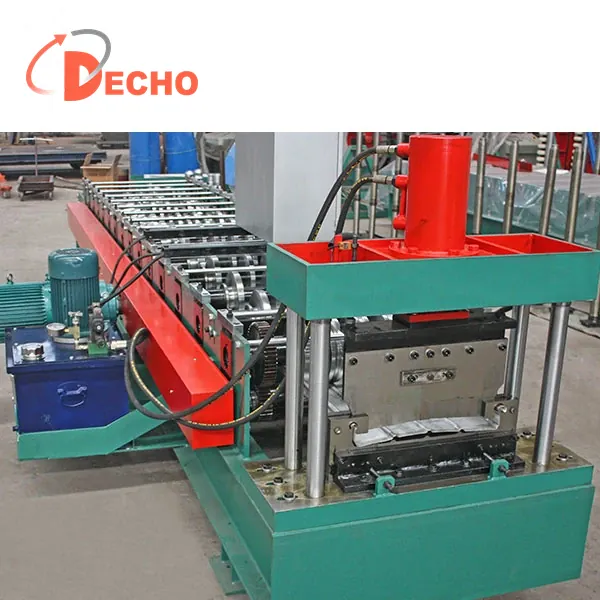
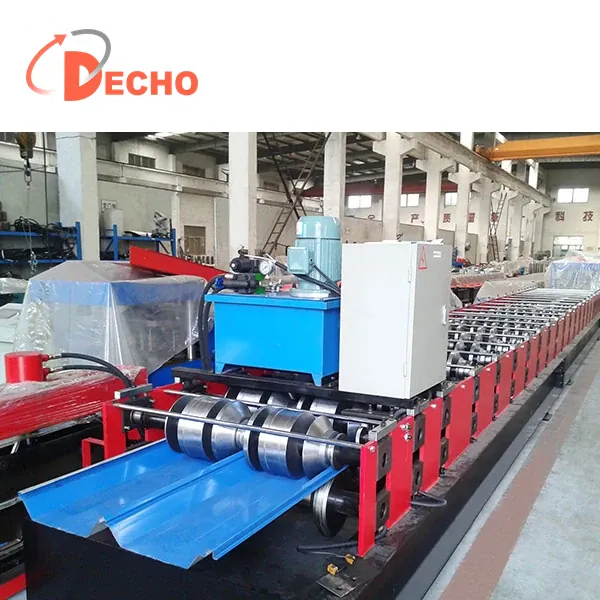
One of our popular products is the Roof Sheet Roll Forming Machine. This machine is specifically designed for the production of roof sheets, which typically have a relatively simple yet precise shape. It can handle a variety of materials, including galvanized steel, aluminum, and stainless steel, and can produce sheets with different profiles and sizes. The machine's advanced control system allows for accurate adjustment of the forming parameters, ensuring consistent quality and high production efficiency.
For more complex applications, we have the Downspout Pipe Roll Forming Machine. This machine is capable of producing downspout pipes with various cross-sectional shapes, such as round, square, and rectangular. It can handle materials with different thicknesses and lengths, and can incorporate additional features such as holes, slots, and bends. The machine's multi-stage forming process ensures that the pipes are formed accurately and efficiently, with minimal waste.
Another example is our Corrugated Roof Sheeting Machine. This machine is designed to produce corrugated roof sheets, which have a more complex shape compared to regular roof sheets. It can create different corrugation patterns and sizes, and can handle a wide range of materials, including PVC, polycarbonate, and fiberglass. The machine's high-speed operation and precise control system enable it to produce large quantities of corrugated sheets with consistent quality.
In addition to these specific machines, we also offer custom solutions to meet the unique requirements of our customers. Our team of experienced engineers and technicians can work closely with you to design and develop a forming machine that is tailored to your specific application. Whether you need a machine for a new product or want to upgrade an existing production line, we have the expertise and resources to provide you with a reliable and cost-effective solution.
Factors Affecting the Machine's Ability to Handle Complexity
Several factors contribute to the ability of our forming machines to handle complex forming tasks. Firstly, the design and construction of the machine are critical. Our machines are built with high-quality components and advanced engineering techniques to ensure durability, stability, and precision. The use of advanced materials and manufacturing processes also helps to reduce the weight and increase the efficiency of the machines.
Secondly, the control system plays a vital role in handling complexity. Our machines are equipped with state-of-the-art control systems that allow for precise adjustment of the forming parameters, such as speed, pressure, and position. These systems also provide real-time monitoring and feedback, enabling operators to detect and correct any issues quickly.
Thirdly, the tooling used in the forming process is essential. We work closely with our tooling suppliers to develop high-quality tools that are specifically designed for each application. The tools are made from high-strength materials and are precision-machined to ensure accurate forming. Regular maintenance and replacement of the tools also help to ensure the long-term performance of the machines.
Finally, the skills and experience of the operators are crucial. We provide comprehensive training to our customers' operators to ensure that they are familiar with the operation and maintenance of our machines. Our technical support team is also available 24/7 to provide assistance and troubleshooting in case of any problems.
Contact Us for Your Forming Needs
If you are looking for a reliable forming machine supplier that can handle your specific forming complexity requirements, look no further. Our company has a proven track record of providing high-quality forming machines and excellent customer service. We are committed to helping you achieve your production goals and ensuring the success of your business.
Whether you need a standard machine or a custom solution, we invite you to contact us for a consultation. Our sales team will be happy to discuss your needs and provide you with a detailed quote. We look forward to working with you and helping you take your manufacturing to the next level.
References
- ASM Handbook Committee. (2008). ASM Handbook, Volume 14A: Metalworking: Bulk Forming. ASM International.
- Kalpakjian, S., & Schmid, S. R. (2010). Manufacturing Engineering and Technology (5th ed.). Pearson.
- Dieter, G. E., & Schmidt, L. C. (2008). Mechanical Metallurgy (4th ed.). McGraw-Hill.