Hey there! As a supplier of Cold Roll Forming Machines, I often get asked about the different components and their functions in these machines. One part that many people are curious about is the cutter in a cold roll forming machine line. So, let's dive into what this cutter does and why it's so important.
First off, what exactly is a cold roll forming machine line? Well, it's a series of machines that work together to transform flat metal sheets into various shapes and profiles. These profiles can be used in a wide range of applications, from construction to automotive manufacturing. The process involves passing the metal sheet through a series of rollers that gradually bend and shape it into the desired form.
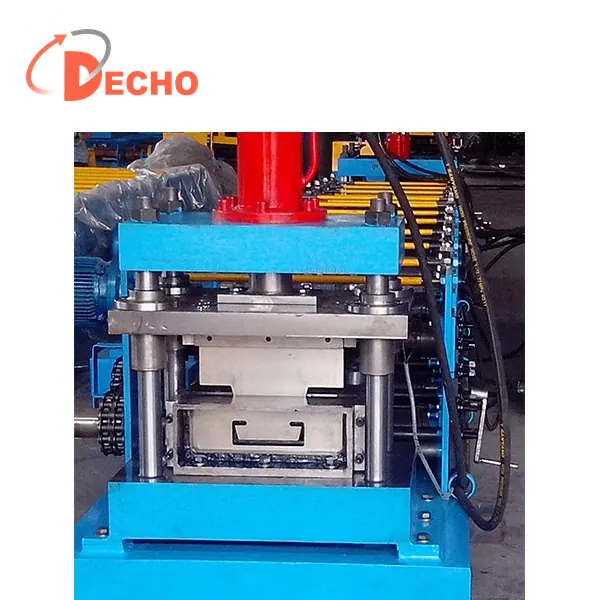
Now, let's talk about the cutter. The cutter is a crucial part of the cold roll forming machine line, and its main function is to cut the formed metal profile to the desired length. This might sound simple, but it's actually a very precise and important task.
Precision Cutting
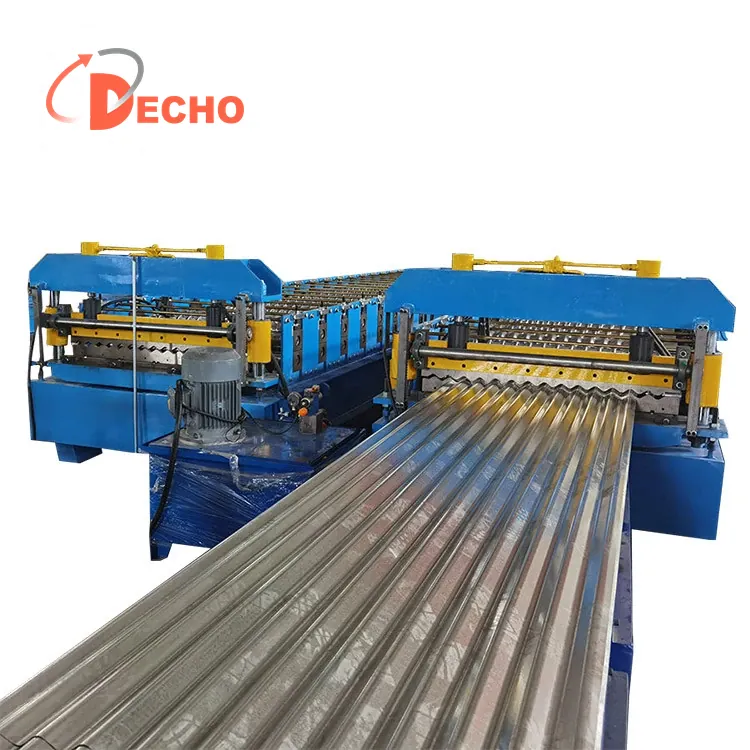
One of the key functions of the cutter is to ensure precision cutting. In most applications, the metal profiles need to be cut to very specific lengths. For example, if you're making Corrugated Roof Sheet Making Machine, the sheets need to be cut to the exact length required for the roof installation. A cutter in a well - designed cold roll forming machine line can make these cuts with high accuracy, often within a few millimeters. This precision is essential for ensuring that the final product fits perfectly into its intended application.
Efficiency
Another important function of the cutter is to improve the overall efficiency of the cold roll forming process. In a production environment, time is money. The cutter can quickly and efficiently cut the formed profiles, allowing the machine line to keep running smoothly. This means that more products can be produced in a shorter amount of time. For instance, if you're using a Profile Roll Forming Machine to make purlins for a large construction project, a fast and reliable cutter can significantly increase the production rate.
Quality Control
The cutter also plays a role in quality control. A clean and precise cut is essential for the overall quality of the metal profile. A poorly cut profile can have rough edges, burrs, or uneven lengths, which can affect its performance and appearance. The cutter in a cold roll forming machine line is designed to make clean cuts, reducing the need for additional finishing processes. This not only saves time but also ensures that the final product meets the required quality standards.
Types of Cutters
There are different types of cutters used in cold roll forming machine lines, and each has its own advantages.
Shearing Cutters
Shearing cutters are one of the most common types. They work by applying a shearing force to the metal profile, similar to how scissors cut paper. Shearing cutters are relatively simple and cost - effective. They can make quick cuts and are suitable for a wide range of metal thicknesses. However, they can sometimes leave a small amount of burr on the cut edge, which may require some additional finishing.
Rotary Cutters
Rotary cutters use a rotating blade to cut the metal profile. They are often used for high - speed production lines because they can make very fast cuts. Rotary cutters can also provide a cleaner cut compared to shearing cutters, especially for thinner metal sheets. However, they are generally more expensive and may require more maintenance.
Laser Cutters
Laser cutters are the most advanced type of cutters used in cold roll forming machine lines. They use a high - powered laser beam to cut the metal profile. Laser cutters can make extremely precise and clean cuts, even on complex shapes. They are ideal for applications where high precision and quality are required, such as in the aerospace or electronics industries. However, laser cutters are very expensive and require a high level of technical expertise to operate and maintain.
Integration with the Machine Line
The cutter needs to be well - integrated with the rest of the cold roll forming machine line. It should be able to synchronize with the speed of the rollers and the feeding system. For example, when the formed profile reaches the cutter, the cutter needs to be ready to make the cut at the right time. This synchronization ensures that the cutting process is smooth and efficient.
In addition, the cutter should be able to communicate with the control system of the machine line. This allows for easy adjustment of the cutting length and other parameters. For instance, if you need to change the length of the profiles being produced, you can simply input the new length into the control system, and the cutter will adjust accordingly.
Maintenance and Safety
Like any other part of the cold roll forming machine line, the cutter requires regular maintenance. This includes cleaning, lubrication, and blade replacement. Regular maintenance ensures that the cutter continues to perform at its best and extends its lifespan.
Safety is also a crucial aspect when it comes to the cutter. The cutter is a sharp and powerful tool, and proper safety measures need to be in place to prevent accidents. This includes installing safety guards, providing proper training to operators, and following all safety regulations.
Conclusion
In conclusion, the cutter in a cold roll forming machine line is a vital component that performs several important functions. It ensures precision cutting, improves efficiency, and plays a key role in quality control. There are different types of cutters available, each with its own advantages and disadvantages. The cutter needs to be well - integrated with the rest of the machine line and requires regular maintenance and safety precautions.
If you're in the market for a Standing Seam Roll Former or any other type of cold roll forming machine, make sure to pay attention to the quality and capabilities of the cutter. A good cutter can make a big difference in the overall performance and quality of your production.
If you have any questions about our cold roll forming machines or the cutter technology, feel free to reach out to us. We're always happy to help you find the best solution for your production needs. Let's start a conversation and see how we can work together to take your business to the next level.
References
- "Cold Roll Forming Technology" by John Doe
- "Advanced Metal Forming Processes" by Jane Smith
- Industry reports on cold roll forming machine manufacturing