The feeding system in a steel roll forming machine plays a pivotal and multi - faceted role in the overall operation of the equipment. As a well - established supplier of Steel Roll Forming Machines, I have witnessed firsthand how the feeding system impacts the efficiency, quality, and productivity of the roll - forming process.
1. Basic Function: Material Supply
The most fundamental function of the feeding system is to supply the raw steel material to the roll - forming section of the machine. This might seem like a simple task, but it involves precision and reliability. The feeding system must be able to handle different types of steel materials, such as cold - rolled steel, hot - rolled steel, and stainless steel. Each type of steel has its own unique characteristics, including thickness, width, and surface finish. For example, stainless steel is more corrosion - resistant but may be more difficult to handle due to its hardness compared to regular cold - rolled steel.
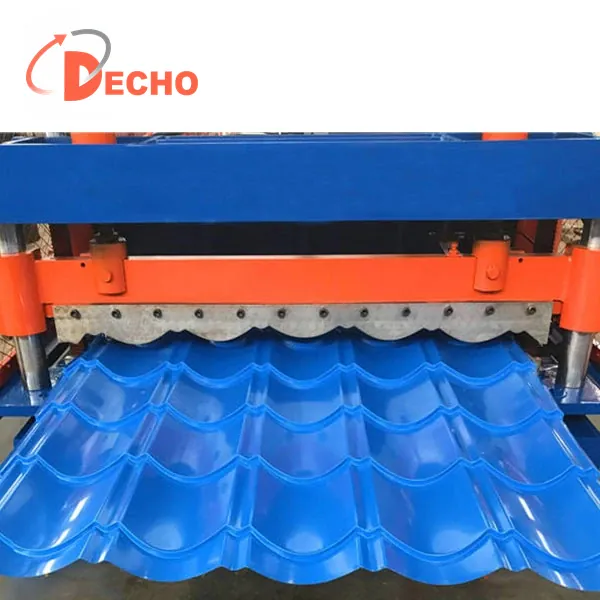
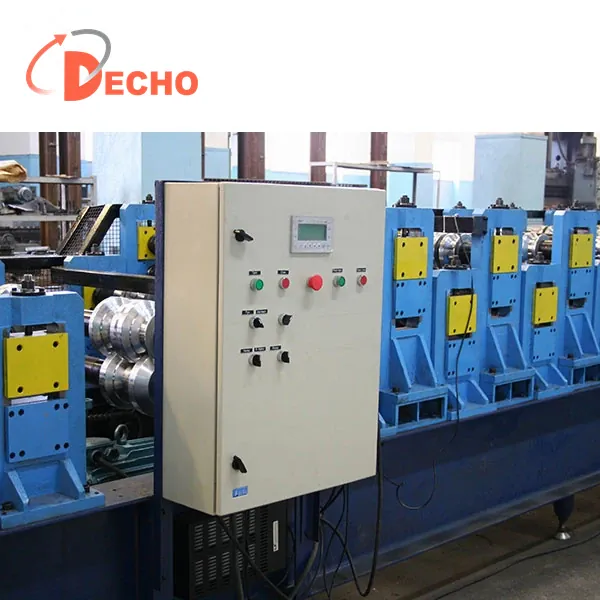
The feeding system ensures a continuous and smooth flow of the steel strip into the roll - forming machine. It is designed to feed the material at a consistent speed, which is crucial for maintaining the quality of the formed steel products. If the feeding speed is inconsistent, it can lead to uneven forming, warping, or other defects in the final product. For instance, in the production of Stainless Steel Water Tank Making Machine, a precise and continuous feeding of stainless steel sheets is required to ensure the proper formation of the tank's structure.
2. Precision Positioning
Accurate positioning of the steel material is another key function of the feeding system. In a roll - forming process, the steel strip needs to be aligned correctly with the roll sets to achieve the desired shape and dimensions. The feeding system uses various mechanisms, such as guides, sensors, and adjustable rollers, to ensure that the steel strip is centered and positioned at the right height and angle.
For example, when producing complex profiles like those used in Glazed Tile Roll Forming Machine, precise positioning of the steel strip is essential. Any misalignment can result in tiles with incorrect shapes, which may not fit together properly during installation. The feeding system's ability to position the material accurately reduces waste and improves the overall quality of the finished products.
3. Tension Control
Controlling the tension of the steel strip during the feeding process is vital. The feeding system is equipped with tension control devices that ensure the appropriate amount of tension is applied to the steel material. Too much tension can cause the steel strip to stretch or break, while too little tension can lead to wrinkling or uneven forming.
In the roll - forming of long and narrow steel profiles, maintaining consistent tension is particularly important. For example, in the production of components for Double Layer Roll Former, where two layers of steel are formed simultaneously, proper tension control ensures that both layers are formed evenly and that they bond correctly. The tension control function of the feeding system helps to prevent defects and ensures the structural integrity of the final products.
4. Material Handling and Storage
The feeding system also plays a role in material handling and storage. It is often integrated with coil handling equipment, such as uncoilers and decoilers, which are used to store and unwind the steel coils. These components are designed to handle different coil sizes and weights, making it possible to use a wide range of steel materials in the roll - forming process.
The feeding system can also be equipped with features for coil loading and unloading, which improve the efficiency of the production process. For example, some advanced feeding systems can automatically load a new coil when the current one is almost depleted, minimizing downtime and increasing productivity.
5. Synchronization with the Roll - Forming Process
The feeding system must be synchronized with the roll - forming section of the machine. This synchronization ensures that the steel material is fed into the roll sets at the right time and at the right speed to match the forming operation. Modern feeding systems use advanced control systems, such as programmable logic controllers (PLCs), to achieve precise synchronization.
In a high - speed roll - forming production line, synchronization is critical. If the feeding system and the roll - forming section are not synchronized properly, it can lead to jams, material waste, and reduced production efficiency. For example, in the mass production of steel roofing panels, the feeding system needs to work in harmony with the roll - forming machine to produce panels of consistent quality and at a high production rate.
6. Adaptability to Different Production Requirements
As a supplier of Steel Roll Forming Machines, I understand that different customers have different production requirements. The feeding system should be adaptable to these varying needs. It can be adjusted to accommodate different steel thicknesses, widths, and profiles.
For example, if a customer wants to switch from producing thin - gauge steel products to thick - gauge ones, the feeding system can be reconfigured to handle the change. This adaptability allows our customers to diversify their product offerings and respond quickly to market demands.
7. Impact on Product Quality
The performance of the feeding system has a direct impact on the quality of the final steel products. A well - designed and properly functioning feeding system can produce products with consistent dimensions, smooth surfaces, and accurate shapes. On the other hand, a faulty or inefficient feeding system can lead to a variety of quality issues, such as surface scratches, uneven thickness, and poor structural integrity.
In the production of high - quality steel components, such as those used in the automotive or construction industries, the quality of the feeding system is of utmost importance. By ensuring a precise and reliable feeding process, we can help our customers produce products that meet the strict quality standards of these industries.
8. Cost - Efficiency
A good feeding system can contribute to cost - efficiency in the roll - forming process. By reducing material waste, minimizing downtime, and improving production efficiency, it helps to lower the overall production cost. For example, the ability to accurately position the steel material reduces the amount of scrap generated during the forming process, which saves on raw material costs.
Moreover, the adaptability of the feeding system allows customers to use different steel materials and produce a variety of products without having to invest in multiple machines. This flexibility helps to maximize the return on investment and makes the roll - forming process more cost - effective.
Contact for Purchase and Discussion
If you are interested in learning more about our Steel Roll Forming Machines and the advanced feeding systems they are equipped with, we invite you to contact us for a detailed discussion. Our team of experts is ready to assist you in choosing the right machine for your specific production needs and to provide you with comprehensive technical support.
References
- "Roll Forming Technology Handbook" by the Roll Forming Association International.
- "Advanced Manufacturing Technology" by various authors, covering the principles of metal forming processes including roll - forming.
- Industry reports on the steel roll - forming industry, which discuss the importance of feeding systems in modern production lines.