The impact resistance of formed products by a metal roll former is a crucial factor that significantly influences their performance and suitability for various applications. As a leading supplier of metal roll formers, we understand the importance of this characteristic and its implications for our customers. In this blog, we will explore the concept of impact resistance, its determinants in roll - formed metal products, and its significance in different industries.
Understanding Impact Resistance
Impact resistance refers to the ability of a material or a formed product to withstand sudden and forceful impacts without undergoing significant damage, such as cracking, breaking, or permanent deformation. When a metal product is subjected to an impact, the energy from the impact is absorbed and dissipated through various mechanisms within the material. A high - impact - resistant product can effectively absorb this energy, protecting itself and potentially the structure or system it is part of.
In the context of roll - formed metal products, impact resistance is a result of a combination of factors related to the raw material, the forming process, and the final product design.
Factors Affecting Impact Resistance
Raw Material Properties
The choice of metal is the first and most fundamental factor affecting impact resistance. Different metals have different inherent properties that determine how they respond to impacts. For example, steel is known for its high strength and good impact resistance, especially when properly alloyed. Stainless steel, with its added corrosion - resistance properties, also offers a high level of impact resistance, making it suitable for applications where both durability and aesthetics are required.
Aluminum, on the other hand, is lighter than steel but generally has lower impact resistance. However, through alloying and heat - treatment processes, its impact - resistant properties can be improved. The grain structure of the metal also plays a role. A fine - grained metal usually has better impact resistance compared to a coarse - grained one, as the smaller grains can more effectively disperse the impact energy.
Roll - Forming Process
The roll - forming process itself can have a significant impact on the final product's impact resistance. During roll forming, the metal is gradually shaped through a series of rollers. The way the metal is deformed and the amount of strain it undergoes can affect its internal structure and mechanical properties.
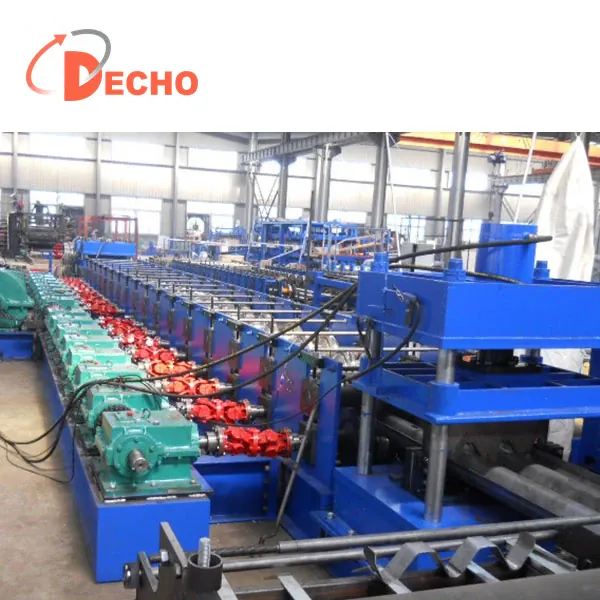
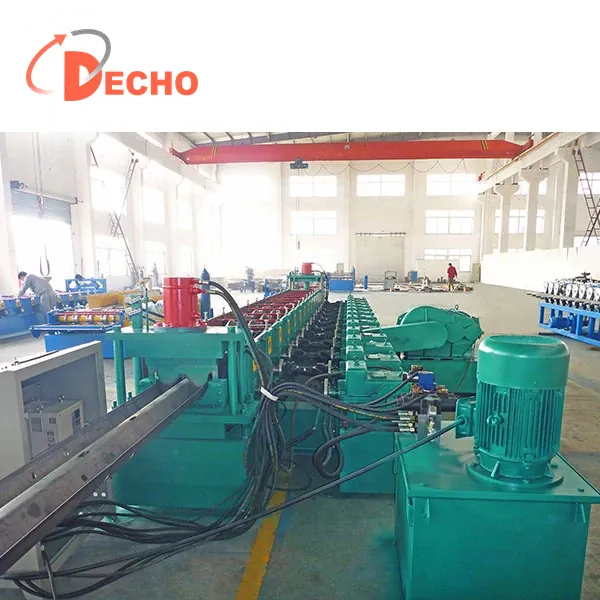
Properly calibrated roll formers ensure that the metal is formed without introducing excessive stress concentrations. If the forming process is too aggressive, it can lead to micro - cracks or other defects in the metal, which can significantly reduce its impact resistance. Additionally, the speed of the roll - forming process can also influence the final product's properties. A slower, more controlled process may allow the metal to better adapt to the deformation, resulting in a more uniform and impact - resistant structure.
Product Design
The design of the roll - formed product is another critical factor. The shape and cross - section of the product can affect how it distributes and absorbs impact energy. For example, a product with a well - designed ribbed or corrugated structure can be more impact - resistant than a flat one. These structural features can act as energy - absorbing elements, redirecting and dissipating the impact force.
The thickness of the metal also matters. Generally, a thicker metal will have higher impact resistance, but this needs to be balanced with other factors such as weight and cost. In some cases, a clever design can achieve high impact resistance with a relatively thin metal sheet by optimizing the shape and the distribution of the material.
Impact Resistance in Different Industries
Construction Industry
In the construction industry, roll - formed metal products are widely used for various applications, including Door Frame Making Machine and Purlin Making Machine. Door frames need to withstand impacts from daily use, such as doors being opened and closed forcefully. High - impact - resistant door frames ensure long - term durability and functionality.
Purlins, which are used to support the roof and wall panels in buildings, also require good impact resistance. They may be subjected to impacts from falling objects, wind - borne debris, or even accidental collisions during construction or maintenance. Roll - formed purlins with high impact resistance can provide reliable support and contribute to the overall structural integrity of the building.
Transportation Industry
In the transportation industry, roll - formed metal components are used in vehicles, trains, and aircraft. For example, in automotive manufacturing, roll - formed parts are used in the frame and body of cars. These parts need to be able to withstand impacts in case of collisions. High - impact - resistant roll - formed components can help protect the passengers and reduce the severity of damage to the vehicle.
In the railway industry, roll - formed guardrails made by Guardrail Roll Forming Machine are crucial for safety. They need to have sufficient impact resistance to stop or redirect a derailed train, preventing more serious accidents.
Industrial Equipment
In industrial settings, roll - formed metal products are used in the construction of machinery and equipment. Machine frames and enclosures need to be impact - resistant to protect the internal components from damage due to accidental impacts or vibrations. A roll - formed frame with good impact resistance can ensure the smooth operation and long - term reliability of the equipment.
Testing Impact Resistance
To ensure that the roll - formed products meet the required impact - resistance standards, various testing methods are used. One common method is the Charpy impact test, which measures the energy absorbed by a notched specimen when it is struck by a pendulum. The higher the energy absorbed, the better the impact resistance of the material.
Another method is the drop - weight test, where a weighted object is dropped onto the test specimen from a certain height. This test can simulate real - world impact scenarios and provide valuable information about the product's ability to withstand sudden impacts.
Significance for Our Customers
As a metal roll former supplier, understanding the impact resistance of our products is of utmost importance for our customers. Our customers rely on us to provide high - quality roll - formed products that can perform well in their specific applications. By ensuring that our roll formers are properly calibrated and that we use the right raw materials, we can produce products with excellent impact resistance.
For customers in the construction industry, our impact - resistant door frames and purlins can contribute to the safety and durability of their buildings. In the transportation industry, our high - impact - resistant components can enhance the safety of vehicles and railway systems. And for industrial customers, our impact - resistant machine frames and enclosures can protect their valuable equipment.
Conclusion
The impact resistance of formed products by a metal roll former is a complex but crucial characteristic. It is determined by a combination of factors, including the raw material properties, the roll - forming process, and the product design. Different industries have different requirements for impact resistance, and it is our responsibility as a supplier to meet these needs.
If you are in need of high - quality roll - formed products with excellent impact resistance, we are here to assist you. Our team of experts can work with you to understand your specific requirements and provide the most suitable solutions. Whether you need door frames, purlins, guardrails, or other roll - formed products, we have the expertise and the technology to deliver. Contact us today to start a discussion about your procurement needs.
References
- Callister, W. D., & Rethwisch, D. G. (2017). Materials Science and Engineering: An Introduction. Wiley.
- Dieter, G. E. (1986). Mechanical Metallurgy. McGraw - Hill.