In the realm of metal fabrication, cold roll forming machines stand as pivotal equipment, transforming flat metal sheets into a variety of complex profiles with high precision and efficiency. As a supplier of cold roll forming machines, I've witnessed firsthand how the operator's skill level can significantly influence the performance of these machines. In this blog, I'll delve into the multifaceted impacts of an operator's expertise on the operation of cold roll forming machines.
1. Quality of the Formed Products
The quality of the products formed by a cold roll forming machine is one of the most immediate indicators affected by the operator's skill. A skilled operator has a deep understanding of the machine's capabilities and limitations. They can accurately adjust the machine settings such as roll speed, pressure, and alignment to ensure that the formed products meet the required specifications.
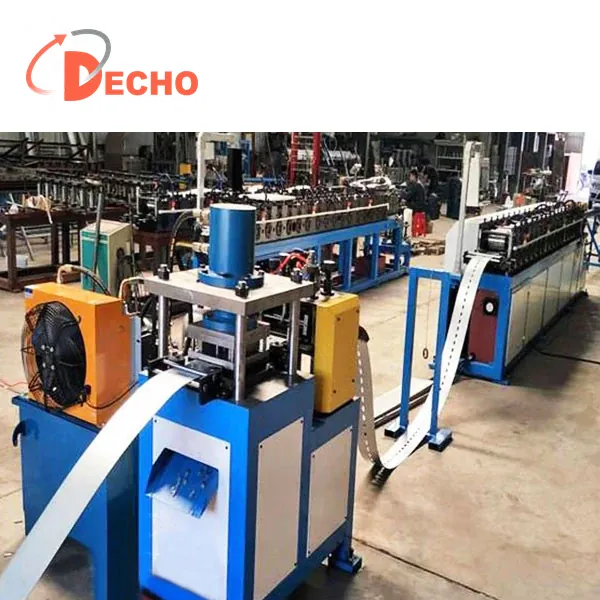
For instance, when producing a Cable Tray Forming Machine, a skilled operator can precisely control the bending angles and dimensions of the cable tray. They know how to compensate for material spring - back, which is a common issue in cold roll forming. Spring - back occurs when the metal material tries to return to its original shape after being formed. An unskilled operator may overlook this factor, resulting in cable trays with inaccurate angles and dimensions, which can lead to installation problems and compromise the overall functionality of the cable management system.
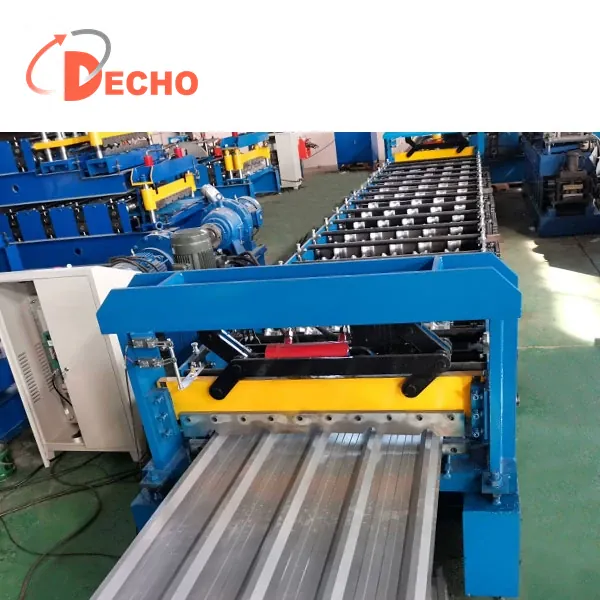
Similarly, in the production of Roof Tile Machine products, a skilled operator can create roof tiles with smooth surfaces and consistent profiles. They can detect and correct any surface defects such as scratches or dents during the forming process. On the contrary, an inexperienced operator may not notice these issues in a timely manner, leading to a batch of low - quality roof tiles that may not provide adequate protection against the elements.
2. Machine Efficiency and Productivity
The operator's skill level also has a profound impact on the efficiency and productivity of the cold roll forming machine. A skilled operator can optimize the machine's operation to minimize downtime and maximize output.
They are proficient in setting up the machine quickly and accurately. When changing the production profile, for example, from producing beams with a Beam Roll Forming Machine to another type of beam or a different product altogether, a skilled operator can efficiently replace the rolls and adjust the machine settings. This reduces the setup time between production runs, allowing the machine to be in operation for a longer period and increasing the overall productivity.
Moreover, a skilled operator can troubleshoot problems promptly. In a cold roll forming machine, various issues can arise during operation, such as jams, misalignments, or abnormal noises. A skilled operator can quickly identify the root cause of the problem and take appropriate measures to fix it. For example, if a jam occurs, they can determine whether it is caused by improper material feeding, a damaged roll, or a mechanical malfunction. By resolving these issues quickly, they can prevent extended downtime and keep the production line running smoothly.
In contrast, an unskilled operator may struggle to set up the machine correctly, leading to longer setup times and reduced productivity. They may also misdiagnose problems, which can result in unnecessary repairs and further downtime.
3. Machine Maintenance and Longevity
Proper machine maintenance is crucial for the long - term performance and longevity of a cold roll forming machine. A skilled operator understands the importance of regular maintenance and knows how to perform basic maintenance tasks.
They can conduct routine inspections of the machine before, during, and after each production run. This includes checking the lubrication levels, the condition of the rolls, and the tightness of the bolts. By detecting potential problems early, they can prevent major breakdowns and costly repairs. For example, if they notice that the lubrication level is low, they can add lubricant in a timely manner to prevent excessive wear and tear on the machine's moving parts.
Skilled operators also follow the correct operating procedures, which helps to reduce the stress on the machine. They know how to start and stop the machine properly, and how to handle the metal materials to avoid unnecessary damage to the rolls and other components. This careful operation can significantly extend the lifespan of the cold roll forming machine.
On the other hand, an unskilled operator may neglect maintenance tasks or operate the machine in an improper way. They may run the machine without proper lubrication or overload it with excessive material, which can lead to premature wear and tear and shorten the machine's lifespan.
4. Safety in the Workplace
Safety is of utmost importance in any manufacturing environment, and the operation of cold roll forming machines is no exception. A skilled operator is well - versed in safety procedures and takes all necessary precautions to ensure a safe working environment.
They are trained to use personal protective equipment (PPE) such as safety glasses, gloves, and ear protection. They also know how to operate the machine safely, including how to avoid getting their hands or clothing caught in the moving parts. Additionally, they can identify potential safety hazards in the workplace, such as loose cables or uneven floors, and take steps to address them.
In contrast, an unskilled operator may not be fully aware of the safety risks associated with operating a cold roll forming machine. They may not wear the appropriate PPE or may operate the machine in a reckless manner. This can lead to serious accidents, including injuries to the operator and damage to the machine.
5. Cost - Effectiveness
The influence of the operator's skill level on cost - effectiveness cannot be overstated. A skilled operator can help to reduce production costs in several ways.
As mentioned earlier, they can improve the quality of the formed products, which reduces the number of defective products. Fewer defective products mean less waste of materials and less time spent on rework or scrap disposal. This directly translates into cost savings.
In addition, their ability to optimize machine efficiency and productivity means that more products can be produced in a shorter period of time. This increases the output per unit of time, making the production process more cost - effective. Moreover, their knowledge of machine maintenance helps to reduce the frequency and cost of repairs, as well as the need for premature machine replacement.
An unskilled operator, on the other hand, can increase production costs. The high rate of defective products, longer setup times, and more frequent breakdowns all contribute to higher costs.
Conclusion
In conclusion, the operator's skill level has a far - reaching influence on the performance of a cold roll forming machine. It affects the quality of the formed products, the efficiency and productivity of the machine, its maintenance and longevity, workplace safety, and cost - effectiveness. As a supplier of cold roll forming machines, we understand the importance of providing not only high - quality machines but also comprehensive training and support to our customers.
If you are in the market for a cold roll forming machine, whether it's a Cable Tray Forming Machine, a Roof Tile Machine, or a Beam Roll Forming Machine, we are here to help. Our team of experts can provide you with the right machine for your specific needs and offer training to ensure that your operators can make the most of it. Contact us today to start a discussion about your requirements and explore how our cold roll forming machines can enhance your production process.
References
- "Cold Roll Forming Technology" by John Doe
- "Advanced Metal Forming Processes" by Jane Smith
- Industry reports on cold roll forming machine operations and best practices.