As a seasoned supplier of Metal Roofing Roll Formers, I've encountered numerous inquiries regarding the installation space requirements for these machines. Understanding these requirements is crucial for any business looking to invest in a metal roofing roll former, as it directly impacts the efficiency and productivity of the manufacturing process. In this blog post, I'll delve into the key factors that determine the installation space needed for a metal roofing roll former and provide practical insights to help you make an informed decision.
Understanding the Basics of a Metal Roofing Roll Former
Before we discuss the installation space requirements, let's briefly review what a metal roofing roll former is and how it works. A metal roofing roll former is a specialized machine used to transform flat metal sheets into various roofing profiles. It operates by passing the metal sheet through a series of rollers, each of which gradually bends and shapes the sheet into the desired profile. The process is highly precise and efficient, allowing for the mass production of high-quality roofing panels.
Factors Affecting Installation Space Requirements
Several factors influence the amount of space required to install a metal roofing roll former. These factors include the machine's size, the type of roofing profiles it can produce, the material handling system, and the additional equipment needed for operation. Let's take a closer look at each of these factors:
Machine Size
The physical dimensions of the metal roofing roll former are one of the primary determinants of the installation space required. Larger machines typically require more space, as they have longer roller stands and wider frames. When considering the machine size, it's important to account for not only the length and width but also the height of the machine, as some models may require additional clearance for overhead components.
Roofing Profiles
The type of roofing profiles that the roll former can produce also affects the installation space requirements. Some profiles, such as standing seam roofs, may require more space due to the complexity of the forming process. Additionally, if the machine is capable of producing multiple profiles, it may need additional space for tooling storage and changeover.
Material Handling System
A metal roofing roll former requires a material handling system to feed the metal sheets into the machine and remove the finished panels. The type of material handling system used can significantly impact the installation space requirements. For example, a manual feeding system may require less space than an automated system, which typically includes conveyors, coil cradles, and other equipment.
Additional Equipment
In addition to the roll former and the material handling system, there may be other equipment needed for operation, such as a power supply, a control panel, and a hydraulic system. These additional components also need to be considered when determining the installation space requirements.
Calculating the Installation Space
To calculate the installation space required for a metal roofing roll former, you need to consider all of the factors mentioned above. Here's a step-by-step guide to help you estimate the space needed:
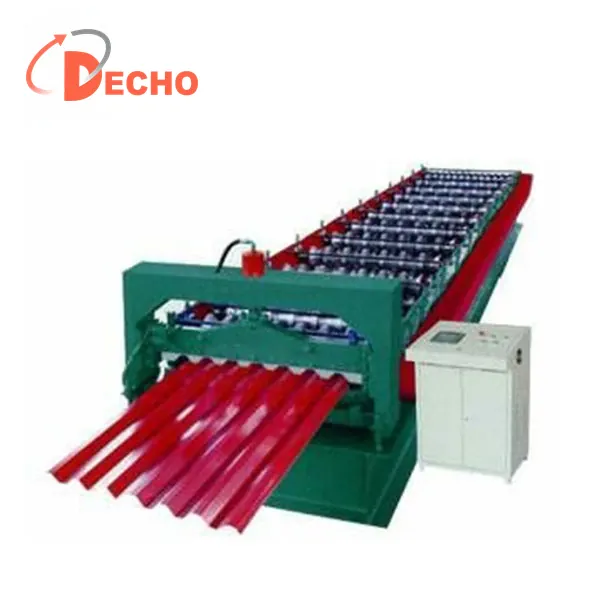
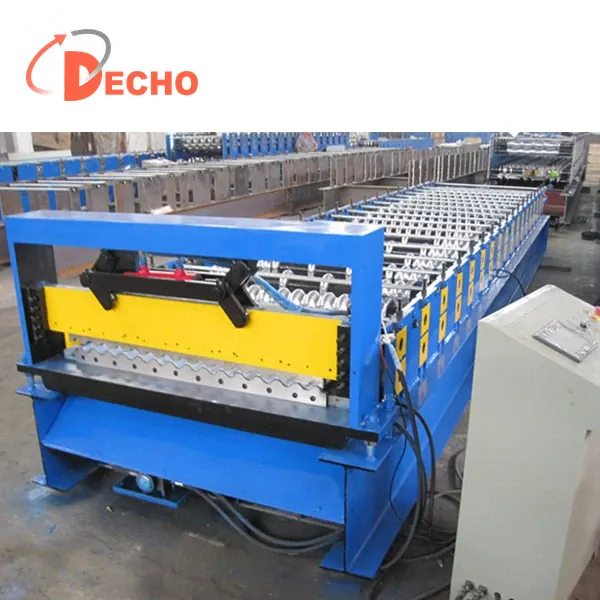
- Determine the Machine Dimensions: Obtain the length, width, and height of the metal roofing roll former from the manufacturer's specifications.
- Account for Tooling and Storage: If the machine is capable of producing multiple profiles, add additional space for tooling storage and changeover.
- Consider the Material Handling System: Determine the type of material handling system you'll be using and add the necessary space for conveyors, coil cradles, and other equipment.
- Include Additional Equipment: Account for the space needed for the power supply, control panel, hydraulic system, and any other additional equipment.
- Allow for Clearance: Leave enough space around the machine for maintenance, operation, and safety. A general rule of thumb is to allow at least 3 to 5 feet of clearance on all sides of the machine.
Once you've calculated the total space required, you can use this information to select a suitable location for the installation of the metal roofing roll former.
Examples of Installation Space Requirements
To give you a better idea of the installation space requirements for a metal roofing roll former, here are some examples based on different machine sizes and configurations:
Small-Scale Machine
A small-scale metal roofing roll former, typically used for producing simple roofing profiles, may have dimensions of approximately 10 to 15 feet in length, 3 to 5 feet in width, and 6 to 8 feet in height. With a manual feeding system and minimal additional equipment, the total installation space required may be around 200 to 300 square feet.
Medium-Scale Machine
A medium-scale metal roofing roll former, capable of producing a wider range of profiles and operating at a higher production speed, may have dimensions of 15 to 25 feet in length, 5 to 8 feet in width, and 8 to 10 feet in height. With an automated material handling system and additional equipment, the total installation space required may be around 500 to 800 square feet.
Large-Scale Machine
A large-scale metal roofing roll former, designed for high-volume production and complex profiles, may have dimensions of 25 to 40 feet in length, 8 to 12 feet in width, and 10 to 12 feet in height. With a fully automated material handling system and extensive additional equipment, the total installation space required may be over 1,000 square feet.
Importance of Adequate Installation Space
Having adequate installation space for a metal roofing roll former is essential for several reasons:
Safety
Sufficient space around the machine ensures the safety of the operators. It allows for easy access to emergency stops, maintenance points, and other safety features. Additionally, it reduces the risk of accidents caused by overcrowding or restricted movement.
Efficiency
Adequate installation space enables smooth operation of the machine and the material handling system. It allows for easy loading and unloading of materials, as well as efficient movement of the finished panels. This, in turn, improves the overall productivity of the manufacturing process.
Maintenance
Proper installation space makes it easier to perform maintenance and repairs on the machine. It provides enough room for technicians to access the internal components, replace parts, and conduct routine inspections. This helps to minimize downtime and extend the lifespan of the machine.
Conclusion
In conclusion, the installation space requirements for a metal roofing roll former depend on several factors, including the machine size, the type of roofing profiles, the material handling system, and the additional equipment needed for operation. By carefully considering these factors and calculating the total space required, you can select a suitable location for the installation of the machine and ensure its safe and efficient operation.
If you're in the market for a metal roofing roll former, I encourage you to explore our range of products, including the Rolling Door Machine, Roof Panel Roll Forming Machine, and Guardrail Roll Forming Machine. Our machines are designed to meet the highest standards of quality and performance, and we offer comprehensive support and service to ensure your satisfaction.
If you have any questions or would like to discuss your specific requirements, please don't hesitate to contact us. We're here to help you make the right choice for your business.
References
- Manufacturer's specifications for metal roofing roll formers
- Industry standards and guidelines for machine installation
- Experience and expertise gained from installing and servicing metal roofing roll formers