Hey there! As a supplier of steel roll forming machines, I often get asked, "What's the maximum thickness of steel that a steel roll forming machine can process?" Well, let's dive right into this topic.
Understanding the Basics of Steel Roll Forming
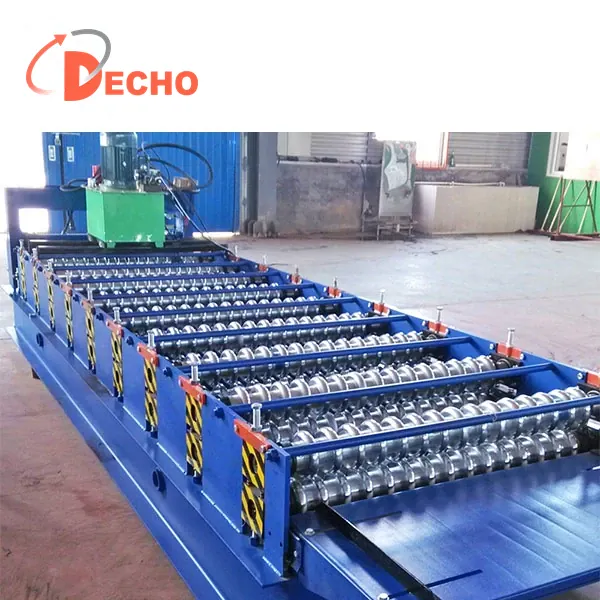
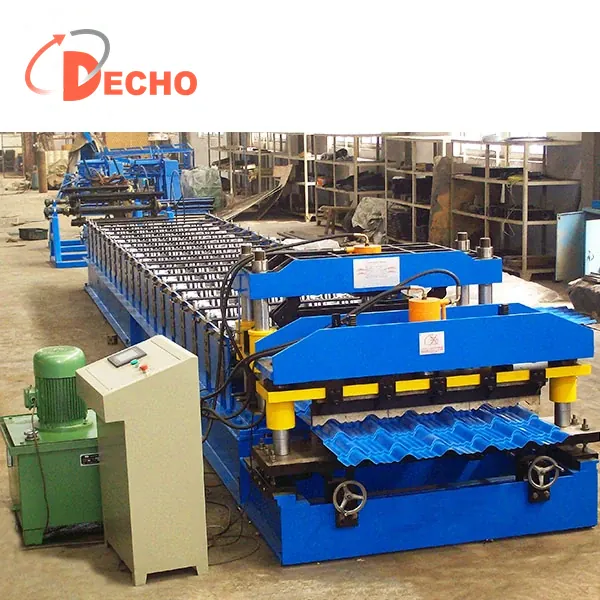
Before we talk about the maximum thickness, it's important to know how these machines work. A steel roll forming machine is a piece of equipment that takes a continuous strip of steel and passes it through a series of rollers. Each set of rollers makes a small change to the shape of the steel strip until it finally takes on the desired profile. It's a continuous process that's highly efficient for producing large quantities of shaped steel products.
Factors Affecting the Maximum Thickness
A bunch of factors influence the maximum thickness of steel a roll - forming machine can handle. First off, we've got the power of the machine. The motor that drives the rollers needs to be strong enough to push the thick steel strip through the forming process. If the motor isn't powerful enough, it won't be able to move the steel, or it might even damage the machine.
Another important factor is the design of the rollers. The rollers need to be made of high - quality materials and have a proper shape. When dealing with thick steel, the rollers need to be able to withstand the high pressure and force applied during the forming process. If the rollers aren't up to the task, they can wear out quickly or cause uneven forming of the steel.
The quality of the steel itself also matters. Different types of steel have different properties. For example, some steels are more ductile, which means they can be bent and shaped more easily. A roll - forming machine might be able to handle a thicker strip of a more ductile steel compared to a less ductile one.
Typical Maximum Thickness Ranges
Generally speaking, the maximum thickness of steel that a standard steel roll forming machine can process usually ranges from about 0.5 millimeters to 6 millimeters. But wait, there are also heavy - duty roll forming machines out there. These bad boys are designed for more demanding applications. They can handle steel thicknesses up to 12 millimeters or even more in some cases.
For example, in industries where thick structural components are needed, like in some construction projects or heavy machinery manufacturing, heavy - duty roll forming machines are often used. These machines have more powerful motors, stronger roller designs, and overall sturdier construction to deal with the thick steel.
Specific Applications and Thickness Requirements
If you're in the roofing business, you might be interested in a Roof Sheet Making Machine. For roofing sheets, the steel thickness typically ranges from 0.3 to 1.2 millimeters. This is because roofing sheets need to be lightweight but still strong enough to withstand the elements. A roll - forming machine for roofing sheets is optimized to work within this thickness range to produce high - quality, properly shaped sheets.
If you're making glazed tiles, you'll need a Glazed Tile Making Machine. The steel used for glazed tiles usually has a thickness of around 0.4 to 0.8 millimeters. The machine needs to be able to form the steel precisely while also allowing for the glazing process later on. So, the settings and capabilities of the roll - forming machine are adjusted accordingly.
For corrugated sheets, a Corrugated Sheet Making Machine is used. The thickness of steel for corrugated sheets can vary from 0.5 to 3 millimeters. The corrugation process requires the machine to bend the steel in a specific pattern, and the machine's design is tailored to handle the different forces involved depending on the steel thickness.
Customization Options
As a supplier, I know that different customers have different needs. That's why we often offer customization for our steel roll forming machines. If you need to process steel that's thicker than what our standard machines can handle, we can work with you to modify the machine.
We can upgrade the motor to a more powerful one, use stronger roller materials, and adjust the overall structure of the machine to ensure it can handle the thicker steel. Of course, this customization takes time and effort, but it's worth it if it meets your specific requirements.
Choosing the Right Machine
When choosing a steel roll forming machine, you need to consider your production needs carefully. First, figure out the maximum thickness of steel you'll be working with. If you only need to process thin steel strips, you don't need to go for a heavy - duty, expensive machine. On the other hand, if you'll be dealing with thick structural steel, a standard machine won't cut it.
You also need to think about the production volume. If you have a high - volume production line, you'll need a machine that can work continuously and efficiently. Check the speed and reliability of the machine.
Cost Considerations
The cost of a steel roll forming machine is related to its maximum processing thickness. Generally, machines that can handle thicker steel are more expensive. This is because they require more powerful motors, better - quality roller materials, and sturdier construction.
But don't just look at the upfront cost. Consider the long - term costs as well. A more expensive machine might be more reliable and require less maintenance, which can save you money in the long run.
Conclusion
So, to sum it up, the maximum thickness of steel that a steel roll forming machine can process depends on many factors, including the machine's power, roller design, and the properties of the steel itself. Standard machines usually handle steel from 0.5 to 6 millimeters, while heavy - duty ones can go up to 12 millimeters or more.
If you're in the market for a steel roll forming machine, whether it's a Roof Sheet Making Machine, a Glazed Tile Making Machine, or a Corrugated Sheet Making Machine, I'm here to help you find the right one. Don't hesitate to get in touch with us to discuss your specific requirements. We can work together to find a solution that fits your needs and budget.
References
- Industrial Steel Forming Handbook
- Journal of Manufacturing Processes