Hey there! As a supplier of Profile Forming Machines, I often get asked about the maximum width of materials these machines can process. It's a crucial question, especially for those in the metalworking and construction industries. So, let's dive right in and explore this topic.
First off, what exactly is a Profile Forming Machine? Well, it's a piece of equipment that's used to shape metal sheets or strips into various profiles. These profiles can be used for a wide range of applications, such as roofing, wall cladding, door frames, and more. Some common types of Profile Forming Machines include Metal Roof Making Machine, Roofing Sheet Roll Forming Machine, and Door Frame Making Machine.
Now, back to the main question: what's the maximum width of materials that a Profile Forming Machine can process? The answer isn't straightforward, as it depends on several factors.
Machine Design and Build
The design and build of the Profile Forming Machine play a significant role in determining the maximum material width. Machines with a more robust and heavy-duty construction are generally capable of handling wider materials. This is because they need to withstand the forces involved in the forming process without warping or bending. For example, a large industrial-grade Profile Forming Machine designed for heavy metal sheets might be able to handle materials up to 2 meters wide or even more. On the other hand, a smaller, more lightweight machine used for thinner metals might have a maximum width capacity of around 500 - 1000 millimeters.
Roller Size and Configuration
The size and configuration of the rollers in the Profile Forming Machine also affect the maximum material width. Larger rollers can generally accommodate wider materials. Additionally, the number of rollers and their arrangement can impact the forming process. A machine with more rollers might be able to handle wider materials more effectively, as it can distribute the forming forces more evenly across the width of the material. For instance, a machine with a multi - stage roller configuration can gradually shape the material, reducing the stress on any one point and allowing for wider materials to be processed.
Power and Drive System
The power and drive system of the Profile Forming Machine are crucial for processing wider materials. A more powerful motor and a robust drive system are needed to provide the necessary force to form wider and thicker materials. If the machine doesn't have enough power, it might struggle to form the material properly, leading to uneven profiles or even damage to the machine. For example, a machine used to process wide and thick steel sheets might require a high - horsepower motor to ensure smooth and efficient forming.
Material Type and Thickness
The type and thickness of the material being processed also influence the maximum width. Different metals have different properties, such as hardness, ductility, and elasticity. Harder metals, like stainless steel, require more force to form compared to softer metals, like aluminum. Thicker materials also need more power and a more robust machine design to be processed. As a result, a Profile Forming Machine might be able to handle a wider width of a thin aluminum sheet than a thick stainless - steel sheet.
Industry Standards and Customization
In many cases, the maximum width of materials that a Profile Forming Machine can process is also influenced by industry standards. For example, in the roofing industry, there are common widths for metal roofing sheets. Manufacturers often design their machines to meet these standard widths to ensure compatibility with the market. However, if you have specific requirements for a non - standard width, many Profile Forming Machine suppliers, including us, offer customization options. We can modify the machine design, roller configuration, and power system to meet your exact needs.
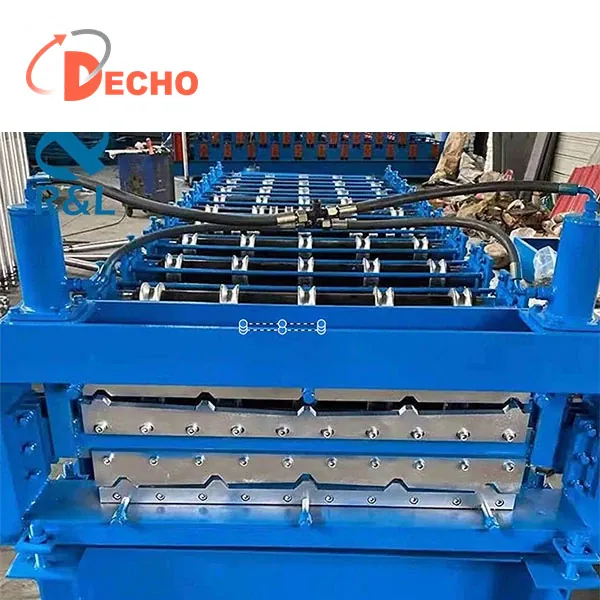
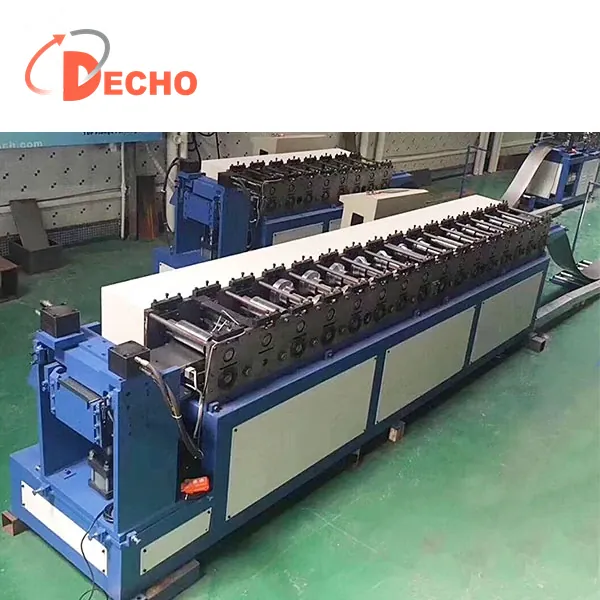
Let's take a look at some real - world examples. In the roofing industry, a typical Roofing Sheet Roll Forming Machine might be able to process materials with a width ranging from 800 millimeters to 1200 millimeters. This width is suitable for most residential and commercial roofing applications. On the other hand, for large - scale industrial projects, machines can be customized to handle widths of up to 2 meters or more.
In the door frame manufacturing industry, a Door Frame Making Machine usually processes materials with a width of around 300 - 600 millimeters. This is because door frames typically have a relatively narrow profile. However, if you're making larger or custom - sized door frames, we can adjust the machine to handle wider materials.
So, as you can see, there's no one - size - fits - all answer to the question of the maximum width of materials that a Profile Forming Machine can process. It's a complex interplay of machine design, roller size, power system, material properties, and industry requirements.
If you're in the market for a Profile Forming Machine and have specific width requirements, don't hesitate to reach out to us. We have a team of experts who can help you choose the right machine for your needs. Whether you're looking for a Metal Roof Making Machine, a Roofing Sheet Roll Forming Machine, or a Door Frame Making Machine, we can provide you with customized solutions. We're committed to helping you find the perfect machine that meets your production goals and budget.
In conclusion, understanding the factors that affect the maximum width of materials in a Profile Forming Machine is essential for making an informed decision when purchasing a machine. If you have any questions or need further information, feel free to contact us. We're here to assist you every step of the way.
References
- Metal Forming Handbook: A Practical Guide for Industry Professionals
- Industrial Machinery Design and Operation Manuals
- Journal of Manufacturing and Materials Processing