As a supplier of steel frame rollformers, one question I often get asked is about the noise level of these machines during operation. Understanding the noise level is crucial for several reasons, including workplace safety, compliance with environmental regulations, and overall user experience. In this blog post, I'll delve into the factors that influence the noise level of a steel frame rollformer, typical noise levels, and ways to mitigate excessive noise.
Factors Influencing the Noise Level
Machine Design and Construction
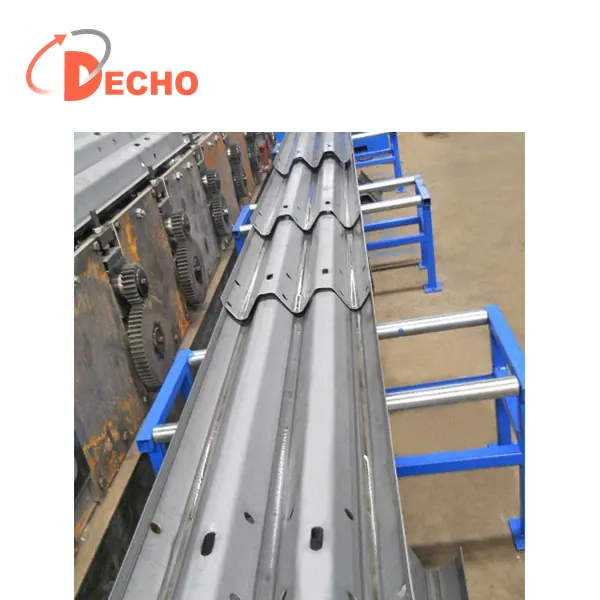
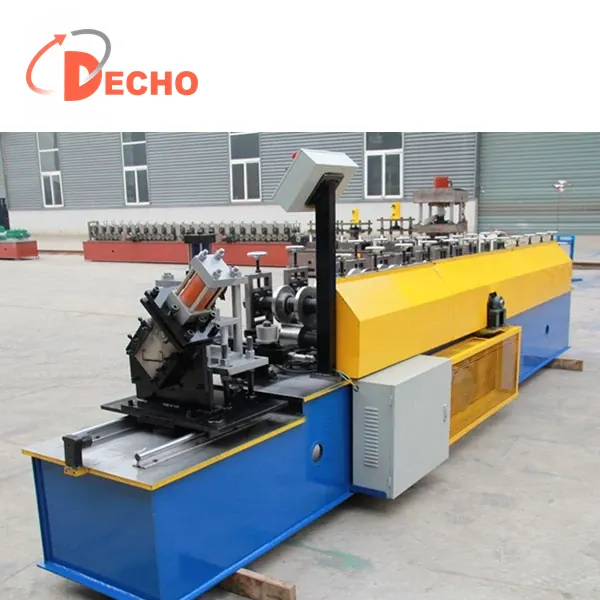
The design and construction of a steel frame rollformer play a significant role in determining its noise level. Machines with well - engineered components and tight tolerances tend to produce less noise. For example, a rollformer with precision - machined rollers and a sturdy frame will operate more smoothly, reducing the vibrations that can generate noise. High - quality bearings and gears also contribute to quieter operation, as they minimize friction and wear.
Material Type and Thickness
The type and thickness of the steel being processed by the rollformer can have a substantial impact on noise levels. Thicker and harder steel materials generally require more force to form, which can result in louder noise. For instance, processing high - strength steel alloys will likely produce more noise compared to mild steel. Additionally, the surface finish of the steel can affect noise; rough or uneven surfaces may cause more vibration and noise during the forming process.
Operating Speed
The speed at which the rollformer operates is another critical factor. Faster operating speeds typically lead to higher noise levels. As the machine moves the steel through the forming stations more rapidly, there is increased impact and vibration. Operators need to balance the production speed with the acceptable noise level. Sometimes, reducing the speed slightly can significantly lower the noise without sacrificing too much productivity.
Typical Noise Levels of Steel Frame Rollformers
In general, the noise level of a steel frame rollformer can range from around 70 decibels (dB) to over 90 dB. At the lower end of the spectrum, 70 dB is similar to the noise level of a normal conversation. Rollformers operating at this noise level are relatively quiet and may not require extensive noise - control measures. However, as the noise level approaches 90 dB, it becomes comparable to the noise of a lawnmower, and hearing protection should be provided to operators.
Some modern, well - designed rollformers can maintain noise levels in the 70 - 80 dB range, even during continuous operation. These machines are often equipped with advanced noise - reducing features such as vibration - dampening materials and insulated enclosures. On the other hand, older or less - efficient rollformers may produce noise levels above 90 dB, which can be a concern for both the operators' health and compliance with noise regulations.
Mitigating Noise Levels
Machine Enclosures
One of the most effective ways to reduce the noise level of a steel frame rollformer is to install a machine enclosure. These enclosures are typically made of sound - absorbing materials such as fiberglass or acoustic foam. They can significantly reduce the amount of noise that escapes from the machine, protecting the operators and other workers in the vicinity. Enclosures also have the added benefit of protecting the machine from dust and debris, which can improve its longevity.
Vibration Isolation
Vibration is a major source of noise in rollformers. By using vibration - isolation mounts, the transfer of vibrations from the machine to the floor and surrounding structures can be minimized. These mounts are usually made of rubber or other elastic materials and are placed between the machine and its foundation. Vibration isolation not only reduces noise but also helps to prevent damage to the machine and the building structure.
Maintenance and Lubrication
Regular maintenance and proper lubrication of the rollformer are essential for keeping the noise level in check. Worn - out components such as bearings, gears, and rollers can cause increased vibration and noise. By replacing these parts in a timely manner and ensuring that all moving parts are well - lubricated, the machine can operate more smoothly and quietly.
Importance of Noise Management
Workplace Safety
Exposure to high - level noise for extended periods can cause permanent hearing damage to operators. By managing the noise level of steel frame rollformers, companies can protect the health and well - being of their employees. Providing appropriate hearing protection, such as earplugs or earmuffs, is also an important part of a comprehensive noise - management strategy.
Environmental Regulations
Many regions have strict environmental regulations regarding noise emissions from industrial equipment. Companies need to ensure that their rollformers comply with these regulations to avoid fines and legal issues. By implementing noise - reduction measures, companies can demonstrate their commitment to environmental responsibility.
Productivity and Employee Morale
A noisy work environment can be distracting and stressful for employees, which can negatively impact productivity. By reducing the noise level, employees can focus better on their tasks, leading to higher - quality work and increased efficiency. Moreover, a quieter workplace can improve employee morale and job satisfaction.
Related Products
If you are interested in other types of roll - forming machines, we also offer a range of high - quality products. For example, the Guardrail Roll Forming Machine is designed to produce guardrails with precision and efficiency. The Purlin Roll Former is ideal for manufacturing purlins, which are essential components in many construction projects. And the Silo Roll Forming Machine is specifically engineered for creating steel silos.
Contact Us for Purchase and Consultation
If you are in the market for a steel frame rollformer or have any questions about noise levels, machine performance, or other aspects of our products, we encourage you to contact us. Our team of experts is ready to assist you in finding the right rollformer for your specific needs. Whether you are a small - scale fabricator or a large industrial manufacturer, we can provide you with the best solutions.
References
- "Industrial Noise Control and Acoustics" by Clarence E. Kehr, Jr.
- "Handbook of Noise Measurement" by GenRad, Inc.
- Industry standards and guidelines on noise emissions from industrial machinery.