Hey there! As a supplier of Cold Roll Forming Machines, I've seen firsthand how crucial electrical systems are in these machines. In this blog, I'm gonna break down the role of electrical systems in a Cold Roll Forming Machine, so you can understand why they're so important.
1. Powering the Machine
Let's start with the basics. The electrical system is like the heart of a Cold Roll Forming Machine. It provides the power needed to run all the components. Without it, the machine would just be a big, useless hunk of metal.
The main power source typically comes from an electrical outlet. The electrical system then distributes this power to different parts of the machine, such as the motors, heaters (if there are any), and control panels. For example, the motors are responsible for driving the rollers that shape the metal. They need a consistent and reliable power supply to work effectively. If the power is interrupted or inconsistent, it can lead to uneven forming, which means defective products.
2. Controlling the Operation
One of the most important roles of the electrical system is to control the operation of the Cold Roll Forming Machine. This is done through a control panel, which is basically the brain of the machine.
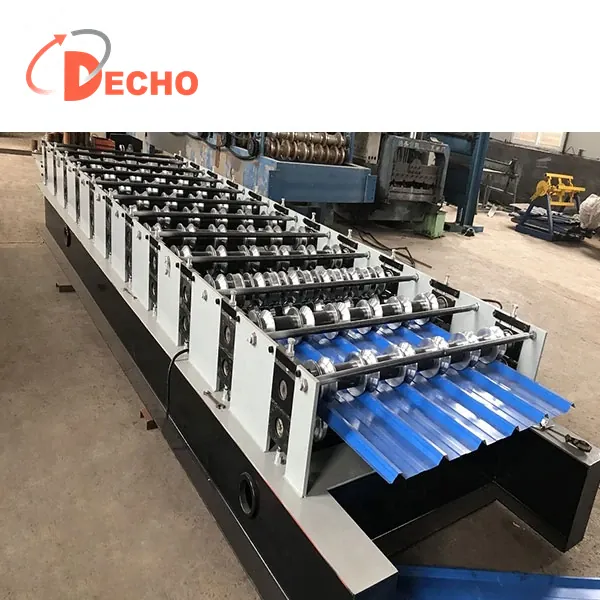
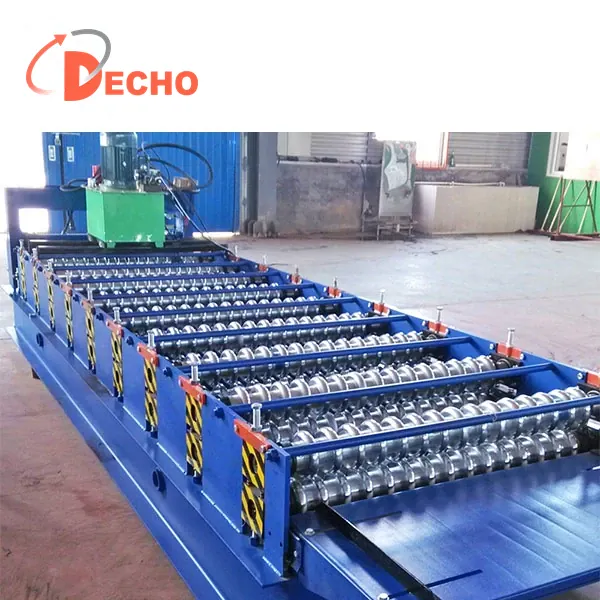
The control panel allows operators to set various parameters, such as the speed of the machine, the length of the formed products, and the number of cycles. These settings are then translated into electrical signals that are sent to the different components of the machine. For instance, if an operator wants to increase the speed of the machine, they can adjust the setting on the control panel. The electrical system will then send a signal to the motors to increase their speed.
Moreover, the control panel also has safety features built - in. It can detect abnormal conditions, such as over - current or over - temperature, and automatically shut down the machine to prevent damage. This is crucial for protecting both the machine and the operators.
3. Automation and Precision
In modern Cold Roll Forming Machines, electrical systems play a key role in automation and precision. Thanks to advanced electrical control technologies, these machines can now perform complex forming tasks with high accuracy.
For example, some machines are equipped with servo motors, which are controlled by the electrical system. Servo motors can provide precise control over the movement of the rollers, allowing for very accurate shaping of the metal. This is especially important when producing products with tight tolerances, like those used in the automotive or aerospace industries.
Automation also means that the machine can run continuously without constant manual intervention. Once the parameters are set on the control panel, the machine can operate on its own, producing a large number of consistent products. This not only improves efficiency but also reduces the risk of human error.
4. Monitoring and Diagnostic Functions
The electrical system in a Cold Roll Forming Machine also has monitoring and diagnostic functions. It can keep track of various operating parameters, such as the temperature of the motors, the voltage and current levels, and the performance of the sensors.
This data is then used to monitor the health of the machine. If any parameter goes out of the normal range, the electrical system can send an alert to the operator. This allows for early detection of potential problems, so they can be fixed before they cause major damage to the machine.
For example, if the temperature of a motor starts to rise above the normal level, the electrical system can detect this and send an alarm. The operator can then stop the machine and check for the cause, such as a malfunctioning cooling system or overloading.
5. Integration with Other Systems
In many industrial settings, Cold Roll Forming Machines need to be integrated with other systems, such as material handling systems or quality control systems. The electrical system plays a vital role in this integration.
It can communicate with other systems through various interfaces, such as Ethernet or serial ports. This allows for seamless transfer of data and control signals between different machines and systems. For example, a Cold Roll Forming Machine can be connected to a material handling system. The electrical system can send signals to the material handling system to feed the metal sheets into the machine at the right time and in the right quantity.
Examples of Cold Roll Forming Machines
There are different types of Cold Roll Forming Machines, each with its own specific requirements for the electrical system. For instance, a Rain Gutter Roll Forming Machine is used to produce rain gutters. It needs an electrical system that can control the forming process precisely to ensure the gutters have the right shape and size.
A Silo Roll Forming Machine is used for manufacturing silos. These machines often require more powerful electrical systems due to the larger size and thickness of the metal sheets they work with. The electrical system also needs to be able to handle the complex forming operations involved in creating the curved shapes of silos.
A Corrugated Sheet Making Machine is another example. It needs an electrical system that can control the speed and pressure of the rollers to produce corrugated sheets with consistent quality.
Conclusion
In conclusion, the electrical system in a Cold Roll Forming Machine is essential for its operation, control, automation, precision, monitoring, and integration. It's a complex and critical part of the machine that ensures high - quality production and safe operation.
If you're in the market for a Cold Roll Forming Machine, understanding the role of the electrical system can help you make a more informed decision. Whether you need a Rain Gutter Roll Forming Machine, a Silo Roll Forming Machine, or a Corrugated Sheet Making Machine, we've got you covered. We're always ready to provide you with the best machines and technical support. If you're interested in our products or have any questions, don't hesitate to contact us for procurement and further discussions.
References
- Smith, J. (2018). Industrial Machinery Electrical Systems. New York: Industrial Press.
- Brown, A. (2020). Cold Roll Forming Technology: Principles and Applications. London: Mechanical Engineering Press.