Hey there! As a supplier of roll forming machines, I've seen firsthand how essential the hydraulic system is in these machines. In this blog post, I'll break down the role of the hydraulic system in a roll forming machine, and why it's such a big deal.
Let's start with the basics. A roll forming machine is used to shape metal sheets into various profiles. It does this by passing the metal through a series of rollers, each one gradually bending the metal into the desired shape. It's a pretty cool process, and it's used in a ton of industries, from construction to automotive.
Now, the hydraulic system in a roll forming machine is like the heart of the operation. It's responsible for providing the power and control needed to make the machine work efficiently. Here's how it all comes together.
Power and Force Generation
One of the primary roles of the hydraulic system is to generate the power and force required to bend the metal sheets. Hydraulic systems use a liquid, usually oil, to transfer energy. When a pump pressurizes the oil, it creates a force that can be used to move pistons and cylinders. In a roll forming machine, this force is used to drive the rollers and apply the necessary pressure to shape the metal.
The amount of force that a hydraulic system can generate is pretty impressive. It can handle a wide range of metal thicknesses and profiles, making roll forming machines versatile and suitable for different applications. Whether you're working with thin aluminum sheets for a Roof Sheet Roll Forming Machine or thicker steel for a heavy - duty industrial project, the hydraulic system can adjust and provide the right amount of force.
Precision and Control
Another crucial role of the hydraulic system is to provide precise control over the forming process. In roll forming, accuracy is key. Even a small deviation in the bending angle or the shape of the profile can lead to defective products. The hydraulic system allows operators to control the speed, pressure, and movement of the rollers with high precision.
For example, by adjusting the pressure in the hydraulic cylinders, operators can ensure that the metal is bent to the exact specifications. They can also control the speed at which the metal passes through the rollers, which is important for achieving a smooth and consistent finish. This level of control is especially important when producing complex profiles or when working with high - quality materials.
Safety and Reliability
Safety is always a top priority in any manufacturing process, and the hydraulic system in a roll forming machine plays a significant role in ensuring a safe working environment. Hydraulic systems are designed with safety features such as pressure relief valves. These valves prevent the system from over - pressurizing, which could lead to equipment failure or even accidents.
In addition to safety, hydraulic systems are known for their reliability. They are built to withstand heavy use and can operate continuously for long periods without significant wear and tear. This means less downtime for maintenance and repairs, which is a huge advantage for manufacturers. You can count on your roll forming machine with a well - designed hydraulic system to keep running smoothly and produce high - quality products day in and day out.
Versatility in Machine Design
The hydraulic system also allows for greater versatility in the design of roll forming machines. It can be integrated into different types of machines, from small, portable units to large, industrial - scale equipment. This flexibility means that manufacturers can choose a roll forming machine that suits their specific needs and production requirements.
For instance, some roll forming machines are designed to produce multiple profiles using the same set of rollers. The hydraulic system can be programmed to adjust the pressure and movement of the rollers to create different shapes, making the machine more cost - effective and efficient. This is particularly useful for companies that need to produce a variety of products without investing in multiple machines.
Applications in Different Industries
The importance of the hydraulic system in roll forming machines is evident in a wide range of industries. In the construction industry, Roof Sheet Roll Forming Machines use hydraulic systems to produce durable and precise roof sheets. These sheets need to be formed accurately to ensure proper installation and long - term performance.
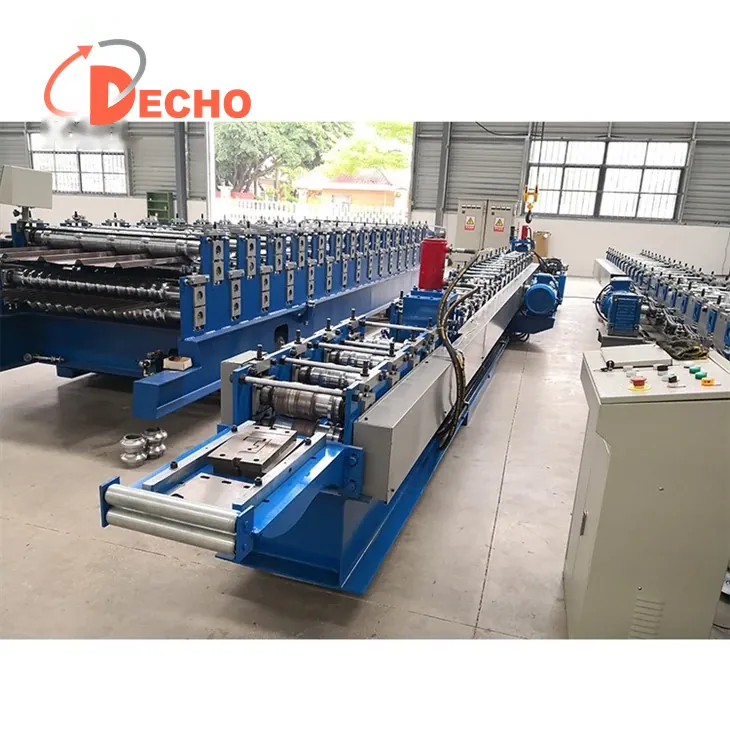
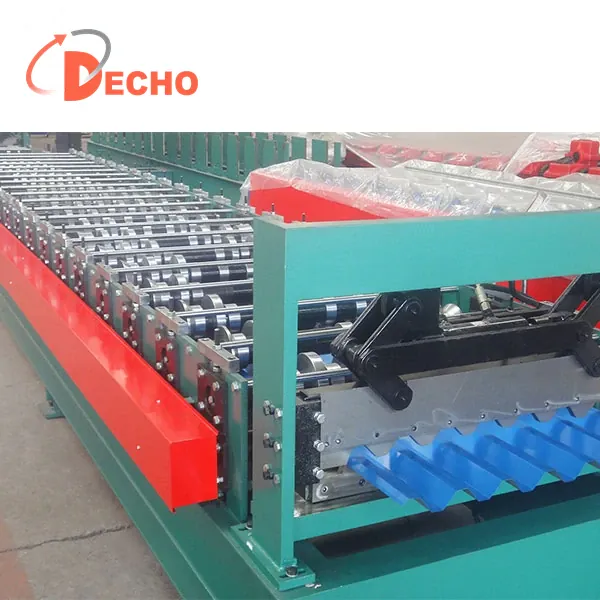
The automotive industry also relies heavily on roll forming machines with hydraulic systems. They are used to manufacture components such as door frames, body panels, and structural parts. The precision and strength provided by the hydraulic system are essential for meeting the strict quality and safety standards in the automotive sector.
In the manufacturing of storage systems, like shelving and racks, roll forming machines with hydraulic systems are used to produce the metal components. The ability to form different profiles and thicknesses allows for the customization of storage solutions to meet the specific needs of customers.
Maintenance and Optimization
To keep the hydraulic system in a roll forming machine running at its best, regular maintenance is essential. This includes checking the oil level, changing the oil and filters at recommended intervals, and inspecting the hoses and fittings for leaks. By following a proper maintenance schedule, you can extend the life of the hydraulic system and prevent costly breakdowns.
It's also important to optimize the hydraulic system for your specific production requirements. This might involve adjusting the pressure settings, fine - tuning the control parameters, or upgrading certain components. Working with a knowledgeable supplier can help you get the most out of your roll forming machine's hydraulic system.
Conclusion
In conclusion, the hydraulic system is an integral part of a roll forming machine. It provides the power, precision, safety, and versatility needed to produce high - quality metal profiles efficiently. Whether you're in the construction, automotive, or any other industry that relies on roll forming, understanding the role of the hydraulic system can help you make informed decisions when choosing a roll forming machine.
If you're in the market for a roll forming machine, whether it's a Barrel Corrugation Machine, a Roof Sheet Roll Forming Machine, or a Rolling Door Machine, and you want to learn more about how the hydraulic system can benefit your production, don't hesitate to reach out. We're here to help you find the right machine for your needs and ensure that you get the most value from your investment.
References
- "Hydraulic Systems in Manufacturing Equipment" - Industrial Machinery Handbook
- "Roll Forming Technology and Applications" - Metalworking Journal