Tension control is a critical aspect in the operation of a sheet making machine. As a seasoned supplier of sheet making machines, I've witnessed firsthand how proper tension control can significantly impact the quality, efficiency, and overall performance of these machines. In this blog, I'll delve into what tension control in a sheet making machine is, why it matters, and how it can be effectively managed.
Understanding Tension in Sheet Making
Before we discuss tension control, it's essential to understand what tension means in the context of a sheet making machine. Tension refers to the force applied to the sheet material as it moves through the various components of the machine, such as rollers, guides, and cutting mechanisms. This force is crucial for maintaining the proper shape, size, and alignment of the sheet during the manufacturing process.
In a sheet making machine, the sheet material is typically fed from a coil or a roll. As it is unwound and processed, it needs to be kept under a certain amount of tension to prevent wrinkling, sagging, or uneven stretching. For example, if the tension is too low, the sheet may become loose and develop wrinkles, which can affect the final product's appearance and quality. On the other hand, if the tension is too high, it can cause the sheet to stretch excessively, leading to dimensional inaccuracies and potential material damage.
Importance of Tension Control
Proper tension control is vital for several reasons:
1. Quality Assurance
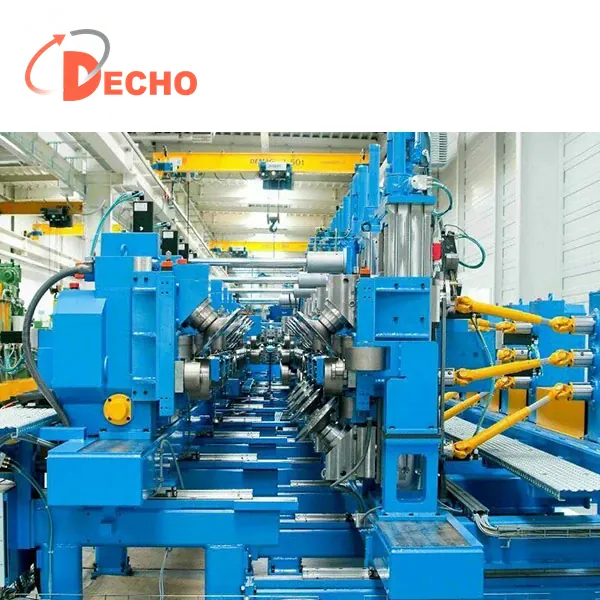
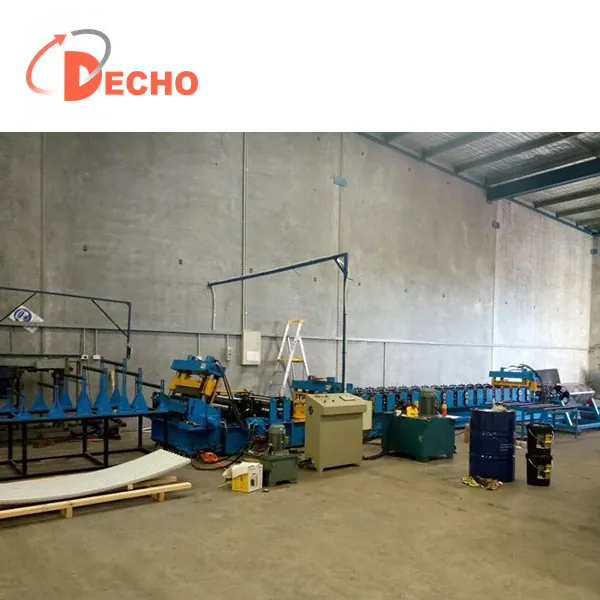
Maintaining consistent tension throughout the sheet making process ensures that the final product meets the required quality standards. A uniform tension helps to produce sheets with smooth surfaces, accurate dimensions, and consistent thickness. This is particularly important in industries where precision is crucial, such as the manufacturing of Roofing Sheet Making Machine, Stainless Steel Water Tank Making Machine, and Rolling Shutter Making Machine.
2. Process Efficiency
Optimal tension control improves the efficiency of the sheet making process. When the tension is well-regulated, the machine can operate at a higher speed without causing material jams or breakdowns. This reduces production downtime and increases the overall output, resulting in cost savings for the manufacturer.
3. Material Conservation
By preventing excessive stretching or wrinkling of the sheet material, proper tension control helps to minimize material waste. This not only reduces the cost of raw materials but also has a positive environmental impact by conserving resources.
Factors Affecting Tension
Several factors can influence the tension in a sheet making machine:
1. Material Properties
The type, thickness, and width of the sheet material can significantly affect the required tension. Different materials have different elastic properties, which means they respond differently to applied forces. For example, a thin and flexible material may require a lower tension compared to a thick and rigid one.
2. Machine Speed
The speed at which the sheet making machine operates also plays a role in tension control. As the machine speed increases, the tension on the sheet material tends to change. Therefore, it's essential to adjust the tension control system accordingly to maintain a consistent tension throughout the process.
3. Roller Alignment
Proper alignment of the rollers in the machine is crucial for maintaining uniform tension. Misaligned rollers can cause uneven pressure on the sheet material, leading to variations in tension and potential quality issues. Regular maintenance and inspection of the rollers are necessary to ensure their proper alignment.
4. Coil or Roll Characteristics
The characteristics of the coil or roll from which the sheet material is fed can also affect the tension. For example, if the coil has a tight or loose winding, it can cause fluctuations in the tension as the material is unwound. Additionally, the diameter of the coil or roll can change as the material is used up, which may require adjustments to the tension control system.
Tension Control Methods
There are several methods available for controlling tension in a sheet making machine:
1. Mechanical Tension Control
Mechanical tension control systems use mechanical components, such as brakes, clutches, and springs, to regulate the tension on the sheet material. These systems are relatively simple and cost-effective, but they may not provide the same level of accuracy and flexibility as other methods.
2. Pneumatic Tension Control
Pneumatic tension control systems use compressed air to apply a controlled force to the sheet material. These systems offer better accuracy and responsiveness compared to mechanical systems, but they require a reliable source of compressed air and may be more expensive to install and maintain.
3. Electronic Tension Control
Electronic tension control systems use sensors and controllers to monitor and adjust the tension on the sheet material in real-time. These systems offer the highest level of accuracy and flexibility, as they can automatically compensate for changes in material properties, machine speed, and other factors. However, they are also the most expensive and complex to install and maintain.
Implementing Effective Tension Control
To implement effective tension control in a sheet making machine, the following steps can be taken:
1. Select the Right Tension Control System
Based on the specific requirements of the sheet making process, choose a tension control system that offers the appropriate level of accuracy, flexibility, and reliability. Consider factors such as the type of material, machine speed, and production volume when making your selection.
2. Calibrate the Tension Control System
Regularly calibrate the tension control system to ensure its accuracy. This involves adjusting the system settings based on the actual tension measurements obtained from the machine. Calibration should be performed at the start of each production run and whenever there are significant changes in the material or process conditions.
3. Monitor the Tension
Continuously monitor the tension on the sheet material during the production process. Use sensors or other monitoring devices to detect any variations in tension and take appropriate action to correct them. This may involve adjusting the tension control system settings or making mechanical adjustments to the machine.
4. Train the Operators
Provide comprehensive training to the machine operators on the importance of tension control and how to operate the tension control system effectively. Operators should be familiar with the machine's tension control settings, monitoring procedures, and troubleshooting techniques.
Conclusion
Tension control is a critical aspect of the sheet making process that can significantly impact the quality, efficiency, and cost of production. As a supplier of sheet making machines, we understand the importance of providing our customers with reliable and effective tension control solutions. By implementing proper tension control measures, manufacturers can ensure the consistent production of high-quality sheets while minimizing material waste and maximizing process efficiency.
If you're in the market for a sheet making machine or need assistance with tension control in your existing machine, we'd be happy to help. Contact us today to discuss your specific requirements and explore how our products and services can meet your needs.
References
- "Tension Control in Web Processing" by Joseph F. Caruso
- "Roll-to-Roll Manufacturing: Principles and Applications" by David S. Soane