As a trusted supplier of Metal Roofing Roll Formers, I often encounter inquiries from clients about the thickness range of metal these machines can handle. Understanding this crucial aspect is essential for anyone involved in the metal roofing industry, whether you're a contractor, builder, or a DIY enthusiast. In this blog post, I'll delve into the details of the thickness range that Metal Roofing Roll Formers can manage, the factors influencing this range, and how it impacts your roofing projects.
Understanding the Basics of Metal Roofing Roll Formers
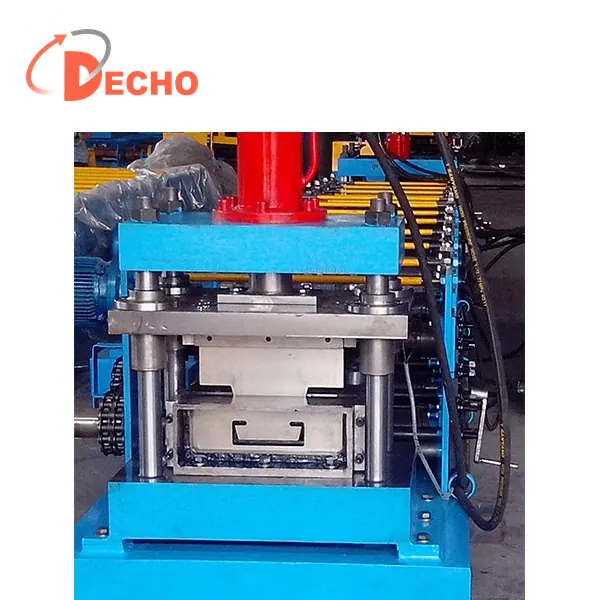
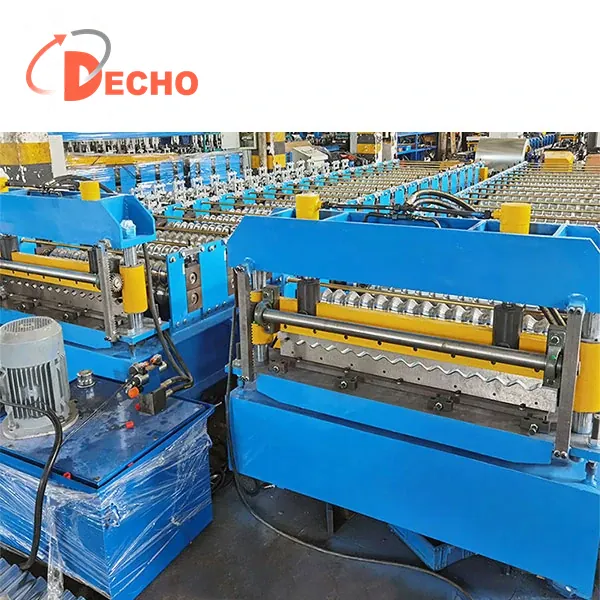
Before we dive into the thickness range, let's briefly understand what a Metal Roofing Roll Former is. A Metal Roofing Roll Former is a specialized machine designed to transform flat metal sheets into various roofing profiles. These machines use a series of rollers to gradually shape the metal into the desired profile, such as corrugated, standing seam, or tile profiles. The process is efficient, precise, and can produce high-quality roofing materials in large quantities.
The Thickness Range of Metal Roofing Roll Formers
The thickness range that a Metal Roofing Roll Former can handle typically varies depending on the machine's design, capacity, and the type of metal being used. Generally, most Metal Roofing Roll Formers can process metal sheets with a thickness ranging from 0.3mm to 3mm. However, some heavy-duty machines can handle even thicker metal, up to 6mm or more.
Thin Metal Sheets (0.3mm - 1mm)
Thin metal sheets in the range of 0.3mm to 1mm are commonly used for residential roofing applications. These sheets are lightweight, easy to handle, and cost-effective. They are suitable for areas with low to moderate weather conditions and are often used for roofing small buildings, sheds, or garages. Our Roll Forming Metal Roofing Machines are capable of precisely forming these thin metal sheets into various roofing profiles, ensuring a perfect fit for your project.
Medium Thickness Metal Sheets (1mm - 3mm)
Medium thickness metal sheets, ranging from 1mm to 3mm, are widely used in commercial and industrial roofing applications. These sheets offer greater durability and strength compared to thin metal sheets, making them suitable for areas with harsh weather conditions or high traffic. They are commonly used for roofing large warehouses, factories, and commercial buildings. Our Metal Roofing Roll Formers can handle these medium thickness metal sheets with ease, producing high-quality roofing materials that meet the strictest industry standards.
Thick Metal Sheets (3mm - 6mm+)
Thick metal sheets, with a thickness of 3mm to 6mm or more, are typically used for specialized roofing applications, such as roofing bridges, stadiums, or industrial facilities with heavy loads. These sheets require heavy-duty Roll Forming Machines to process, and our Profile Roll Forming Machine is designed to handle these thick metal sheets efficiently. With its robust construction and advanced technology, our machine can produce precise and durable roofing profiles that can withstand the most demanding conditions.
Factors Influencing the Thickness Range
Several factors can influence the thickness range that a Metal Roofing Roll Former can handle. These factors include:
Machine Design and Capacity
The design and capacity of the Roll Forming Machine play a crucial role in determining the thickness range it can handle. Heavy-duty machines with larger motors, stronger rollers, and more robust frames are generally capable of processing thicker metal sheets. Our Sheet Metal Forming Machines are designed with high-quality components and advanced technology to ensure maximum performance and durability, allowing them to handle a wide range of metal thicknesses.
Type of Metal
Different types of metals have different properties, such as hardness, ductility, and strength, which can affect the thickness range that a Roll Forming Machine can handle. For example, aluminum is a relatively soft and ductile metal, making it easier to form compared to steel. Therefore, a Roll Forming Machine may be able to handle a wider thickness range of aluminum sheets compared to steel sheets. Our Metal Roofing Roll Formers are designed to handle a variety of metals, including aluminum, steel, copper, and zinc, ensuring versatility and flexibility for your roofing projects.
Roofing Profile
The complexity of the roofing profile also affects the thickness range that a Roll Forming Machine can handle. More complex profiles, such as tile profiles or standing seam profiles, require more precise forming and may limit the thickness of the metal that can be used. Our experienced engineers can work with you to determine the optimal thickness of the metal for your specific roofing profile, ensuring a perfect balance between strength, durability, and aesthetics.
Impact on Roofing Projects
The thickness of the metal used in roofing projects has a significant impact on the overall performance, durability, and cost of the roof. Here's how:
Performance and Durability
Thicker metal sheets generally offer greater strength and durability compared to thinner sheets. They are more resistant to damage from wind, hail, and other weather conditions, ensuring a longer lifespan for your roof. However, it's important to note that the choice of metal thickness should be based on the specific requirements of your project, such as the local climate, the intended use of the building, and the budget.
Cost
The cost of the metal sheets is directly proportional to their thickness. Thicker metal sheets are generally more expensive than thinner sheets, which can significantly impact the overall cost of your roofing project. Therefore, it's important to carefully consider the cost-benefit ratio when choosing the thickness of the metal for your roof. Our team of experts can help you evaluate your options and choose the most cost-effective solution for your project.
Conclusion
In conclusion, the thickness range of metal that a Metal Roofing Roll Former can handle typically varies from 0.3mm to 3mm, with some heavy-duty machines capable of processing even thicker metal. The choice of metal thickness depends on several factors, including the machine's design and capacity, the type of metal, and the roofing profile. Understanding these factors and their impact on your roofing projects is essential for making informed decisions and ensuring the success of your project.
As a leading supplier of Metal Roofing Roll Formers, we offer a wide range of machines that can handle a variety of metal thicknesses and roofing profiles. Our machines are designed with the latest technology and high-quality components to ensure maximum performance, durability, and precision. If you're interested in learning more about our products or have any questions about the thickness range of our Metal Roofing Roll Formers, please don't hesitate to contact us. We're here to help you find the perfect solution for your roofing needs.
References
- ASCE 7-16: Minimum Design Loads and Associated Criteria for Buildings and Other Structures
- ASTM International: Standards for Metal Roofing and Siding
- Metal Construction Association: Technical Resources for Metal Roofing