In the realm of sheet making, precision and efficiency are paramount. One crucial component that significantly contributes to achieving these goals is the water - cooling system in a sheet making machine. As a seasoned sheet making machine supplier, I've witnessed firsthand the vital role that water - cooling systems play in the overall performance and longevity of these machines.
Understanding the Basics of a Water - Cooling System in a Sheet Making Machine
A water - cooling system in a sheet making machine is designed to regulate the temperature of various components during the manufacturing process. When a sheet making machine is in operation, friction and electrical resistance generate a substantial amount of heat. If this heat is not properly managed, it can lead to a host of problems, including component damage, reduced product quality, and even machine breakdowns.
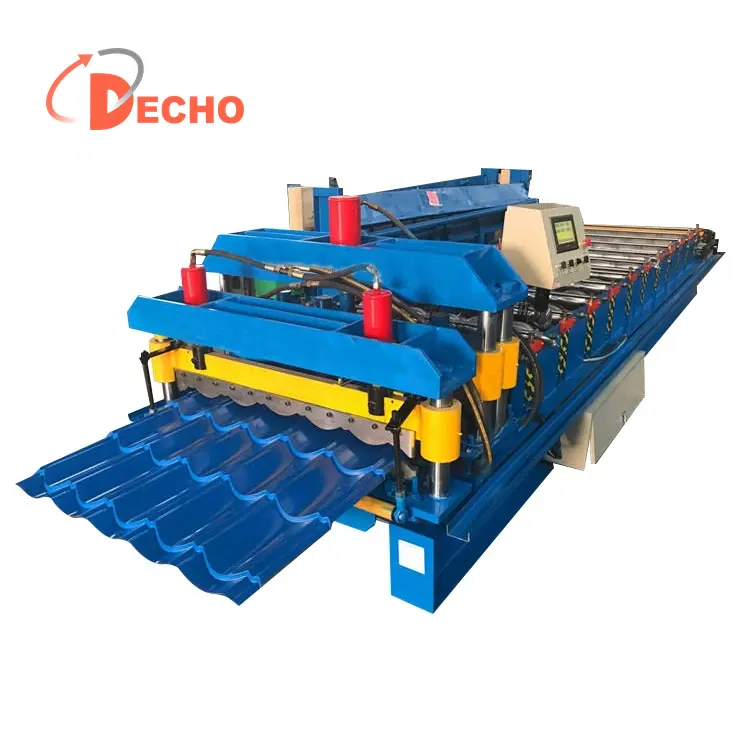
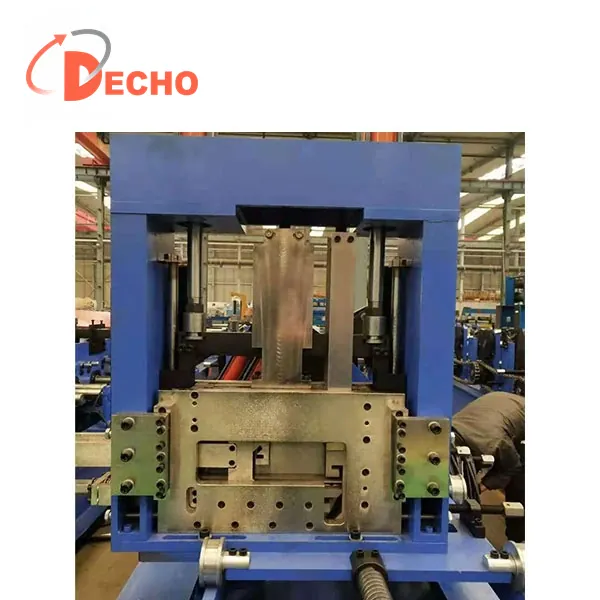
The core principle of a water - cooling system is heat transfer. Water, a highly effective coolant, absorbs heat from the machine's hot components and carries it away. This process involves a closed - loop system where water circulates through pipes, comes into contact with the heat - generating parts, and then returns to a cooling unit to dissipate the absorbed heat.
Key Components of the Water - Cooling System
- Coolant Reservoir: This is the storage tank for the water. It holds a sufficient volume of water to ensure continuous operation of the cooling system. The size of the reservoir depends on the scale and heat - generating capacity of the sheet making machine. Larger machines typically require larger reservoirs to maintain an adequate supply of coolant.
- Pump: The pump is responsible for circulating the water throughout the system. It creates the necessary pressure to move the water from the reservoir, through the heat - exchange areas, and back to the reservoir. A high - quality pump is essential to ensure a consistent flow rate and efficient heat transfer.
- Heat Exchanger: The heat exchanger is where the actual heat transfer occurs. It consists of a series of tubes or plates that come into contact with the hot components of the sheet making machine. As water flows through the heat exchanger, it absorbs heat from these components and cools them down. There are different types of heat exchangers, such as shell - and - tube and plate - type heat exchangers, each with its own advantages in terms of efficiency and space requirements.
- Cooling Tower (Optional): In some large - scale sheet making operations, a cooling tower may be used to further dissipate the heat from the water. The cooling tower uses the process of evaporation to cool the water. As hot water is sprayed over the tower's fill material, a portion of it evaporates, taking heat with it and leaving the remaining water cooler.
Benefits of a Water - Cooling System in a Sheet Making Machine
- Improved Product Quality: By maintaining a stable temperature during the sheet making process, the water - cooling system helps to prevent thermal expansion and contraction of the materials. This results in sheets with more consistent dimensions and better surface finishes. For example, in the production of metal sheets, precise temperature control can reduce the occurrence of warping and cracking, ensuring that the final products meet high - quality standards.
- Enhanced Machine Longevity: Excessive heat can cause premature wear and tear on the machine's components. The water - cooling system reduces the stress on these parts by keeping them at an optimal operating temperature. This extends the lifespan of the machine and reduces the frequency of maintenance and replacement, ultimately saving on costs for the end - user.
- Increased Production Efficiency: A machine that operates at a stable temperature is less likely to experience breakdowns or slowdowns. This means that the sheet making process can run more smoothly and continuously, leading to higher production rates. For instance, a well - cooled machine can operate at a faster speed without overheating, allowing manufacturers to meet their production targets more effectively.
Types of Water - Cooling Systems in Sheet Making Machines
- Direct Cooling System: In a direct cooling system, the water comes into direct contact with the heat - generating components. This type of system is often used for components that require rapid cooling, such as certain types of cutting tools or high - power electrical motors. However, direct cooling may require the use of a specialized coolant to prevent corrosion and contamination of the components.
- Indirect Cooling System: An indirect cooling system uses a secondary fluid, such as a refrigerant or a heat - transfer oil, to transfer heat from the machine's components to the water. This method is commonly used when direct contact between water and the components is not desirable, for example, to protect sensitive electronic parts from water damage.
Maintenance of the Water - Cooling System
Proper maintenance of the water - cooling system is essential to ensure its optimal performance. Regular checks should be carried out on the coolant level in the reservoir. Low coolant levels can lead to insufficient cooling and potential overheating of the machine. The water quality also needs to be monitored and treated as necessary. Hard water, for example, can cause mineral deposits to form in the pipes and heat exchanger, reducing the system's efficiency.
In addition, the pump and other mechanical components should be inspected for any signs of wear or damage. Filters, if installed, should be cleaned or replaced regularly to prevent clogging and ensure a smooth flow of water.
The Role of Water - Cooling Systems in Different Sheet Making Processes
- Roll Forming: In Sheet Roll Forming, the water - cooling system helps to cool the rollers. As the metal sheet passes through the rollers, friction generates heat. If the rollers overheat, they can deform, leading to inaccurate shaping of the sheet. The cooling system maintains the proper temperature of the rollers, ensuring precise and consistent roll forming.
- Cutting and Stamping: During cutting and stamping operations, the cutting tools and dies can become extremely hot due to the high - pressure contact with the sheet material. A water - cooling system can cool these tools, reducing wear and extending their lifespan. This also improves the quality of the cut edges and stamped patterns on the sheets.
Comparison with Other Cooling Methods
While water - cooling systems are widely used in sheet making machines, there are other cooling methods available, such as air - cooling. Air - cooling systems use fans to blow air over the heat - generating components to dissipate heat. However, air - cooling has some limitations. It is generally less efficient than water - cooling, especially for machines that generate a large amount of heat. Air - cooling also requires a larger amount of space for the fans and ventilation, which may not be practical in some manufacturing settings.
Conclusion
The water - cooling system in a sheet making machine is an indispensable part of the manufacturing process. It ensures the quality of the final products, enhances the longevity of the machine, and improves production efficiency. As a sheet making machine supplier, I am committed to providing high - quality machines with advanced water - cooling systems to meet the diverse needs of our customers.
If you are in the market for a sheet making machine or are looking to upgrade your existing equipment, I encourage you to reach out to us. Our team of experts can provide you with detailed information about our machines and their water - cooling systems, and help you find the best solution for your specific requirements. Whether you need a machine for Metal Siding Roll Forming Machine or Roof Tile Roll Forming Machine, we have the expertise and products to meet your needs. Contact us today to start a fruitful discussion about your sheet making project.
References
- "Industrial Cooling Systems Handbook" by John Doe
- "Sheet Metal Forming Technology" by Jane Smith
- Technical manuals of various sheet making machine manufacturers